

This easy French Baguette recipe is a simple, satisfying way to bring fresh bakery-style bread into your own kitchen using everyday ingredients and easy steps. This recipe fits naturally alongside Italian favorites like Pasta Napoletana, San Giorgio Baked Ziti, and a classic Italian Bread Dipping Oil.
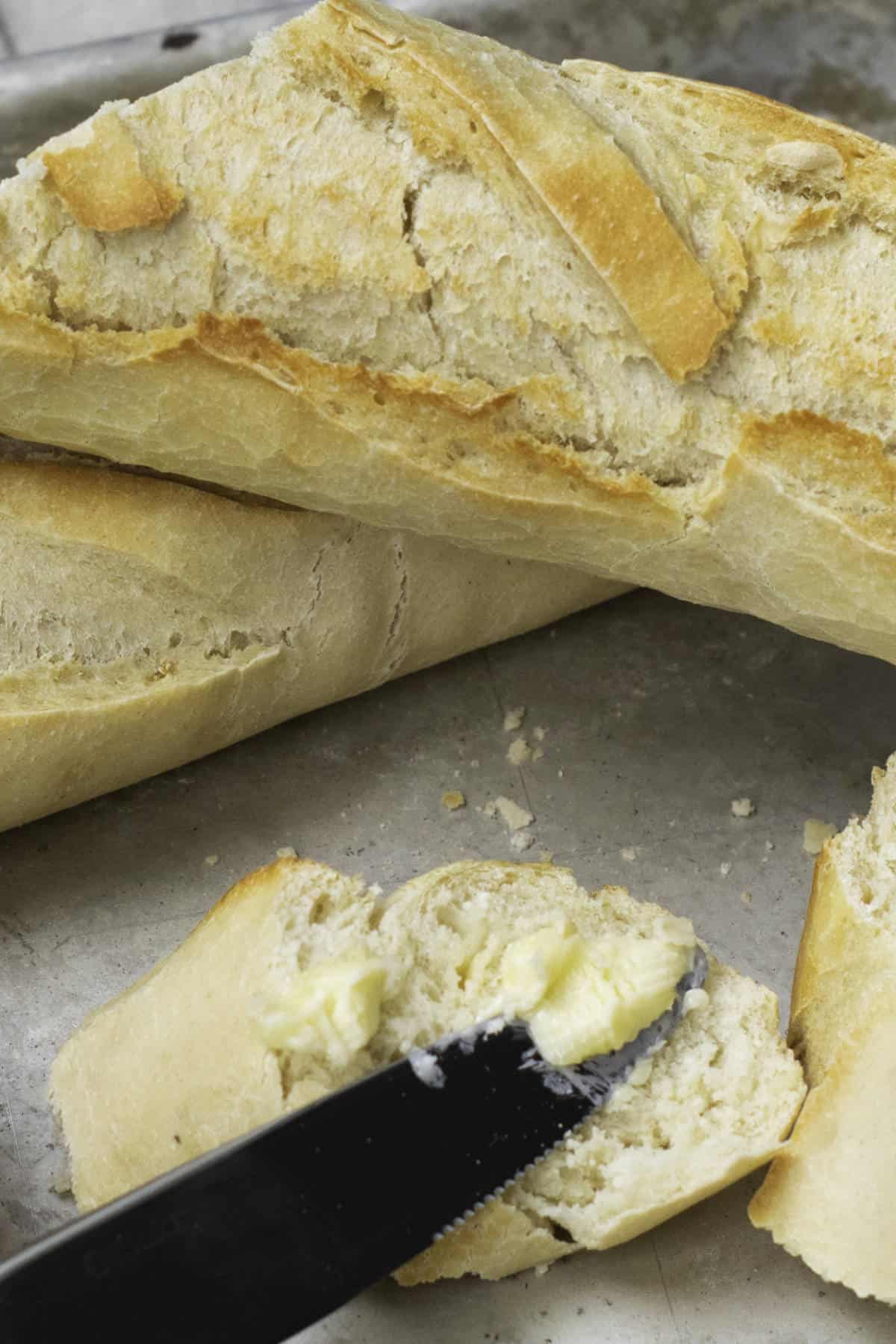
Whether you're serving baguettes with pasta, using for sandwiches, or tearing off warm slices to dip and share, this baguette is a reliable staple you'll come back to often.
Why You'll Love This Easy French Baguette Recipe
This easy French baguette recipe uses basic pantry ingredients and straightforward techniques without requiring special equipment. The dough is forgiving, making it approachable even if you're new to bread baking, and the results feel special enough for both everyday meals and casual gatherings.
Freshly baked loaves also freeze well, so you can enjoy homemade bread anytime with very little extra effort.
- Uses simple, everyday pantry ingredients you likely already have on hand.
- Straightforward steps make it beginner-friendly, even for first-time bread bakers.
- This classic baguette recipe produces crusty, bakery-style baguettes at home without special equipment.
- Versatile enough to serve with pasta, soups, sandwiches, or dipping oils.

Ingredients Overview
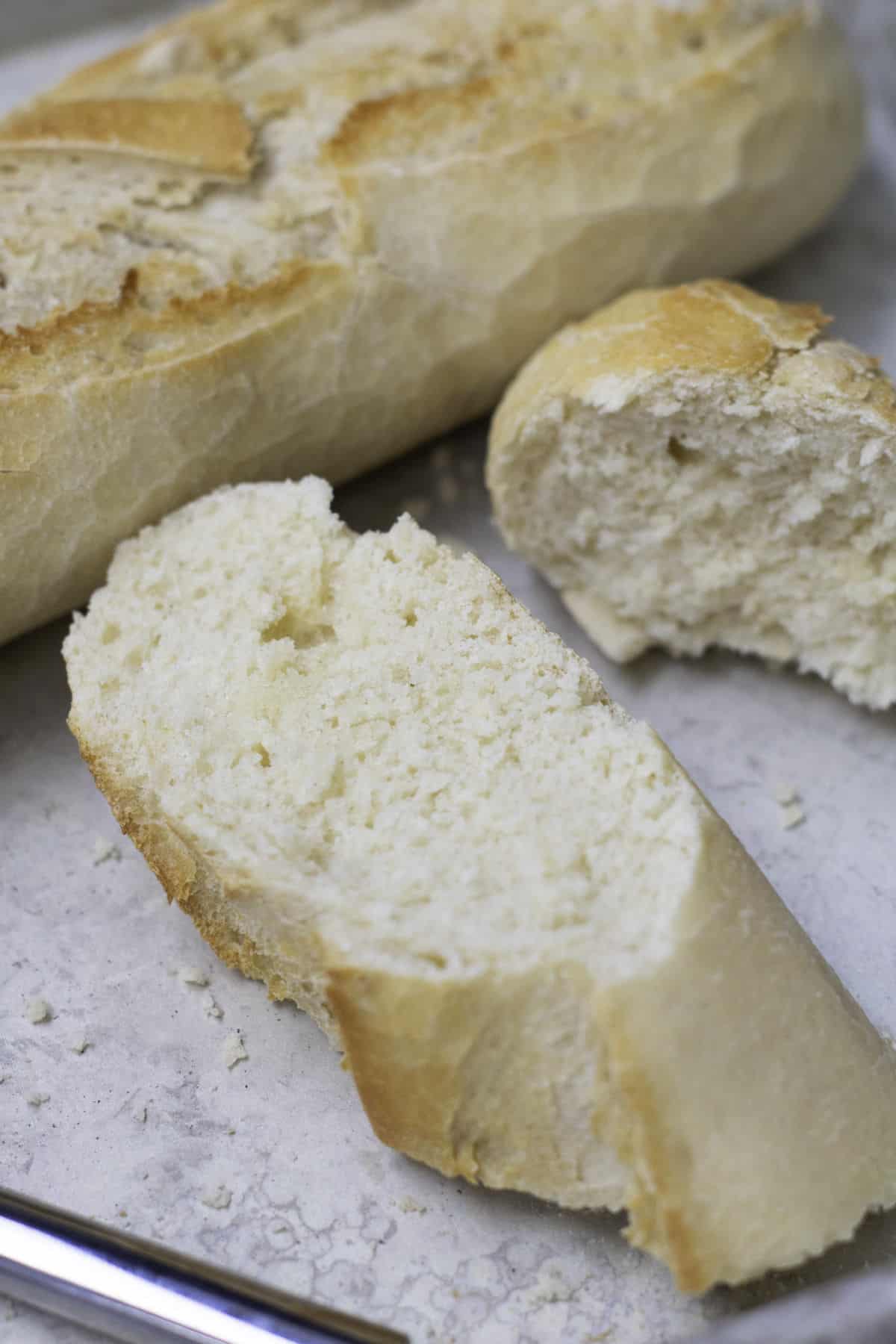
This baguette recipe is made with just a few basic ingredients: flour, water, yeast, and salt, coming together to create a classic loaf with a crisp crust and soft interior.
Be sure to scroll down to the recipe card for the complete ingredient list, exact measurements, and step-by-step preparation instructions.
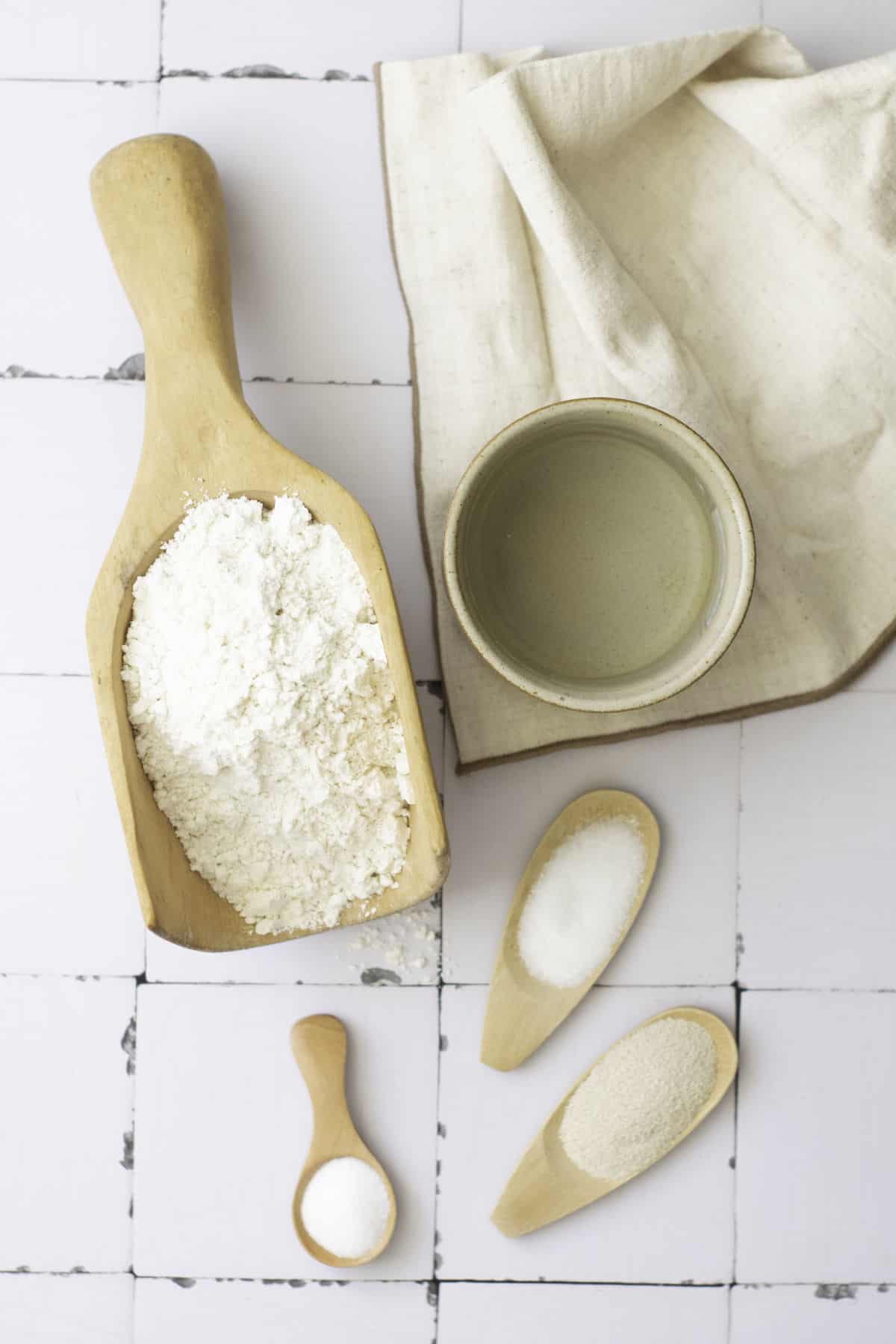
How To Make This Easy French Baguette Recipe
While baguettes have the allure of seeming difficult to make, nothing could be further from the truth. They use what is referred to as a 'lean' dough, meaning there is no oil or butter in the mix. Just simply yeast, water, salt, and flour. Baguette dough is one of the most forgiving yeast doughs to work with.
The key to that crisp crust that baguettes are known for is steam. Don't skip placing a pan of water at the bottom of the oven before baking your baguette rolls. Any 9x13 inch cake pan, or even a 8x8 inch cake pan of water will do.

Step 1: Mix the instant yeast and sugar (or omit the sugar and use 1 teaspoon of the flour) in a small mixing bowl. Add the warm water and stir to dissolve. Let it sit for 5-10 minutes until it becomes frothy.
Step 2: In a another mixing bowl, combine the flour and salt. Make a well in the center and pour in the yeast mixture and the remaining warm water. Mix with a wooden spoon or your hand until a rough dough forms.

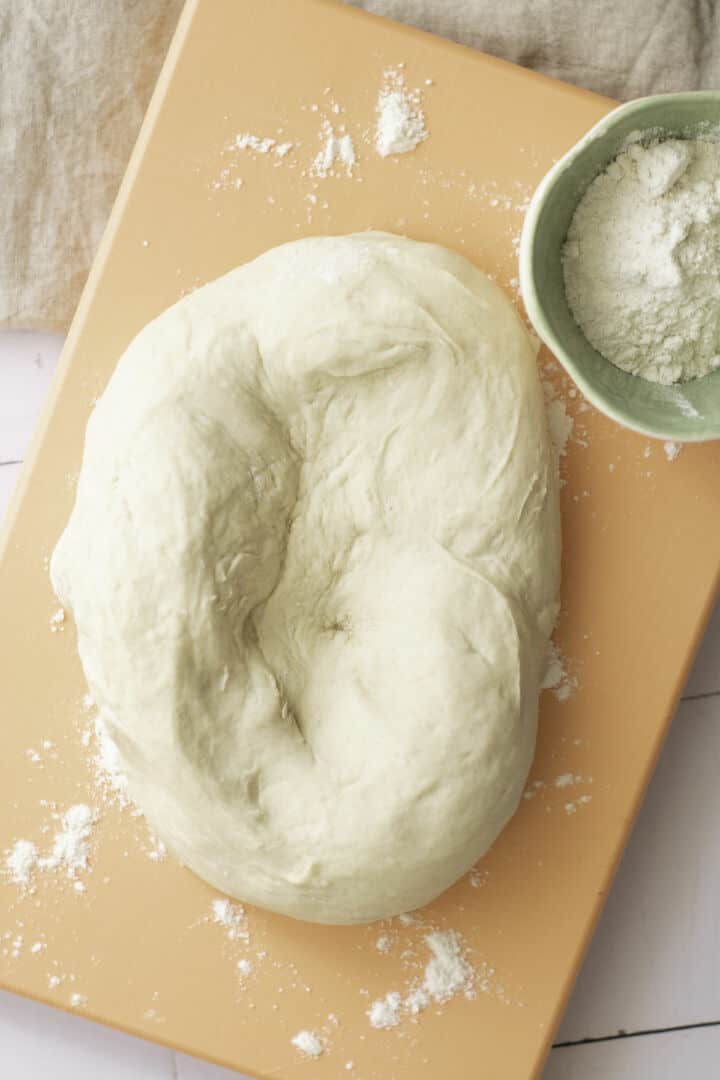
Step 3: Transfer the dough to a lightly floured surface. Knead for about 10 minutes until the dough becomes smooth, elastic, and slightly sticky. If it's too sticky, add a little more flour.
Step 5: Shape the dough into a ball and place it in a lightly oiled bowl. Cover the bowl with a damp cloth or plastic wrap. Let it rise in a warm place for 1-2 hours, or until doubled in size.
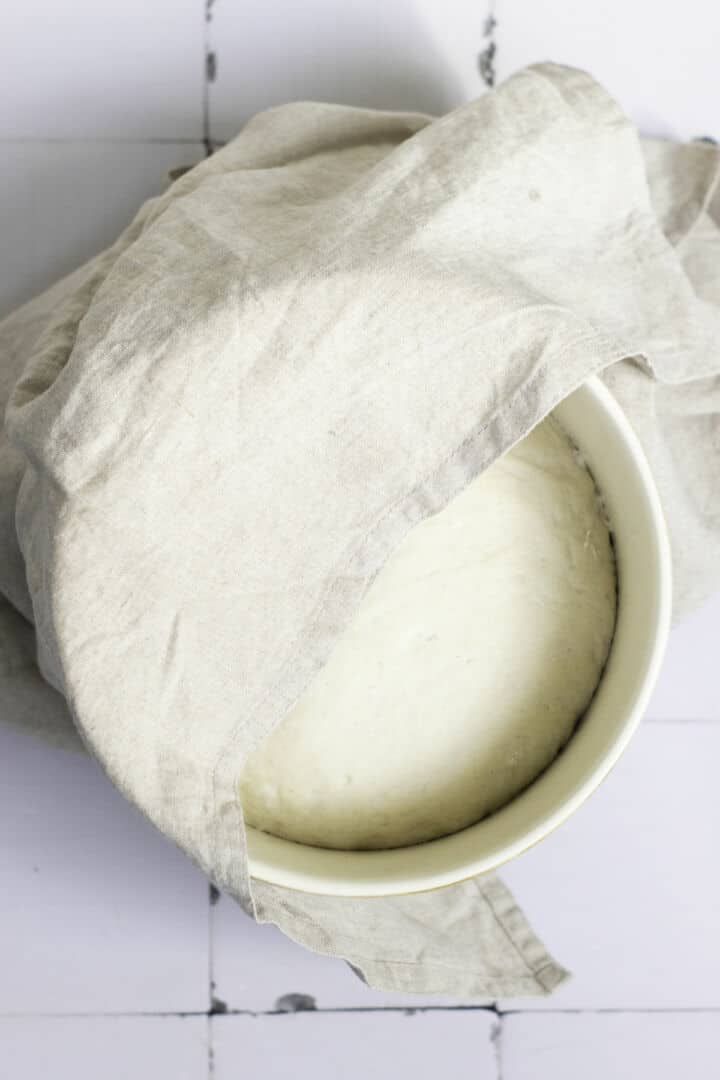

Step 6: After the first rise, gently deflate the dough and turn it out onto a floured surface. Divide the dough into two equal pieces.
Step 7: Working with one piece at a time, shape the dough into a rectangle. Fold the long edges into the center, then roll the dough into a log, pinching the seams closed. Roll it back and forth to elongate the dough to about 30-35 cm (12-14 inches) long.


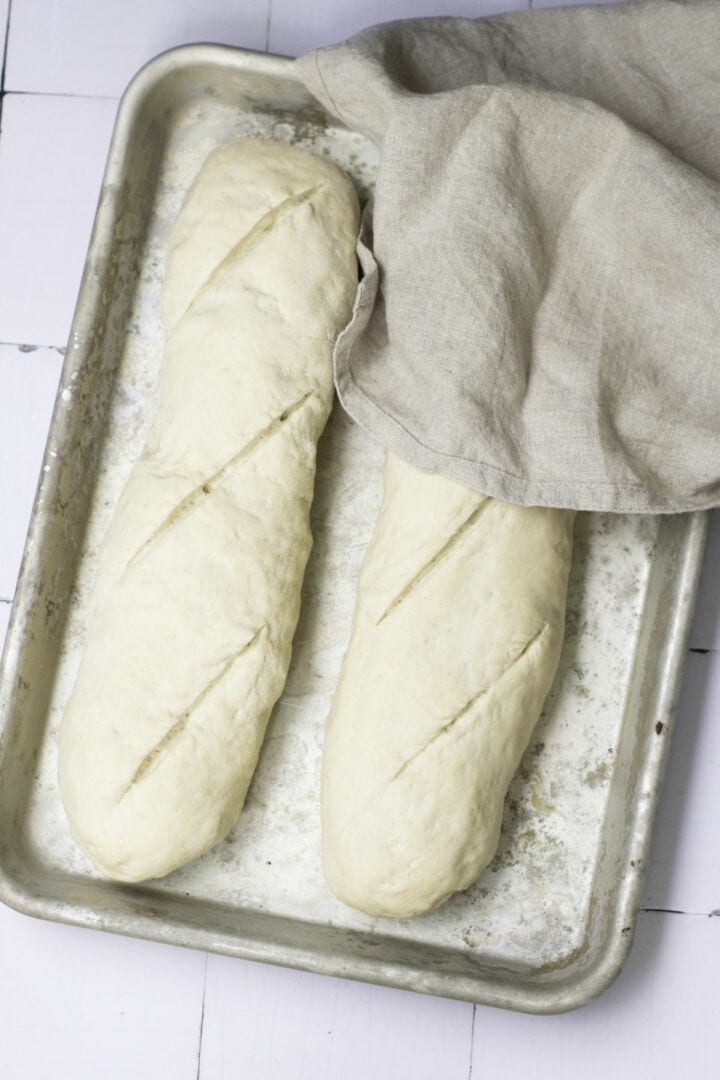
Step 8: Place the shaped dough on a baking tray. Cover the dough loosely with a cloth and let it rise for 45 minutes to 1 hour. Preheat your oven to 450°F and add a shallow pan on the bottom rack. If you have a baking stone, add it to the center rack. Just before baking, pour 1 - 2 cups of boiling hot water into the shallow pan at the bottom of the oven. This will create steam, which helps form a crispy crust.
Pro Tip
You can also simply place room temperature tap water in the pan at the bottom of the oven and then let it get hot as the oven comes to temperature during preheating.
Step 9: Using a sharp knife, lame, or a razor blade, make 3-4 diagonal slashes on the top of each baguette. This helps control the expansion of the bread as it bakes. Bake for 20-25 minutes until the crust is golden brown and the baguettes sound hollow when tapped on the bottom.

Step 10: After baking transfer the baked baguettes to a wire rack to cool completely before slicing.
Baguette Serving Suggestions
You can serve these baguettes with a variety of dishes to compliment any meal. They are perfect alongside a bowl of Warm Brussel Sprout Salad, where the crisp and slightly sweet maple-dressed sprouts complement the baguette's crunchy crust.
They also make a great side for dipping into hearty stews, olive oil and balsamic mixes, or simple herb butters for an easy appetizer or weeknight dinner addition. It's perfect as well for making our Heirloom Tomato and Bread Salad or even Rum Raisin Bread Pudding.
Substitutions and Variations
Some useful tips and substitutions when making this recipe:
- Use bread flour instead of all-purpose flour for a slightly chewier texture and more structure.
- Replace up to 25 - 30% of the flour with whole wheat flour for a heartier loaf while keeping the crumb light.
- Regular Active yeast can be used in place of Instant yeast.
- Add minced garlic, chopped Kalamata olives, dried herbs like rosemary, or a sprinkle of sesame or poppy seeds on top before baking for extra flavor.
Tips for Success
Helpful tips to help you when making this recipe:
- Measure ingredients carefully: Accurate measurements help ensure the dough has the right balance of moisture and structure.
- Allow enough rise time: Let the dough rise until doubled in size so the baguettes develop a light, airy interior.
- Use steam in the oven: Adding steam during the first few minutes of baking helps create a crisp, golden crust.
- Score the dough: Shallow slashes on top allow the bread to expand properly while baking.
- Cool before slicing: Let the baguettes cool slightly so the crumb sets and slices cleanly.
Storage Options
Here is how I store leftovers when making this classic baguette recipe:
- Room temperature: Store cooled baguettes in a paper bag or loosely wrapped in foil for up to 1-2 days to maintain the crust.
- Refrigerator: Avoid refrigerating, as it can dry out the bread and make it stale faster.
- Freezer: Freeze whole or sliced baguettes in a freezer-safe bag for up to 2-3 months.
- Reheating: Refresh day-old or frozen baguettes in a hot oven for a few minutes to restore the crust.
Related Recipes
- Cherry Tomato Bruschetta
- Roasted Garlic and Tomato Focaccia
- Game Day Pizza Dip
- Cheesecake Factory Brown Bread Rolls
- Dutch Oven Chicken and Sausage Gumbo
Frequently Asked Questions
Yes! The dough can be mixed and kneaded by hand on a floured surface-just knead for about 8-10 minutes until smooth and elastic.
The dough should roughly double in size and feel slightly puffy. Gently press a finger into it; if the indentation springs back slowly, it's ready.
Make sure to create steam in the oven during the first 5-10 minutes of baking by adding water to a hot pan at the bottom of the oven.
Yes, you can mix in herbs, garlic, or cheese into the baguette dough, or sprinkle seeds like sesame or poppy on top before baking. My absolute favorite is adding chopped Kalamata olives and chopped fresh rosemary.
European Inspired Recipes



Get The Recipe!

Easy Baguette Recipe
Equipment
- Large Rimmed Baking Sheets
- Parchment Paper Sheets
Ingredients
- 1 envelop Active Yeast 7 grams
- 1 teaspoon Sugar 5 grams (optional)
- 1½ cup Water 350 ml at 105 - 110℉
- 4 cups Bread Flour 500 grams
- 2 teaspoon Salt 10 grams
Instructions
- Mix the instant yeast and sugar (or omit the sugar and use 1 teaspoon of the flour) in a small mixing bowl. Add the warm water and stir to dissolve. Let it sit for 5-10 minutes until it becomes frothy.1 envelop Active Yeast, 1 teaspoon Sugar, 1½ cup Water
- In a another mixing bowl, combine the flour and salt. Make a well in the center and pour in the yeast mixture and the remaining warm water. Mix with a wooden spoon or your hand until a rough dough forms.4 cups Bread Flour, 2 teaspoon Salt
- Transfer the dough to a lightly floured surface. Knead for about 10 minutes until the dough becomes smooth, elastic, and slightly sticky. If it's too sticky, add a little more flour.
- Shape the dough into a ball and place it in a lightly oiled bowl. Cover the bowl with a damp cloth or plastic wrap. Let it rise in a warm place for 1-2 hours, or until doubled in size.
- After the first rise, gently deflate the dough and turn it out onto a floured surface. Divide the dough into two equal pieces.
- Working with one piece at a time, shape the dough into a rectangle. Fold the long edges into the center, then roll the dough into a log, pinching the seams closed. Roll it back and forth to elongate the dough to about 30-35 cm (12-14 inches) long.
- Place the shaped dough on a baking tray. Cover the dough loosely with a cloth and let it rise for 45 minutes to 1 hour.
- Preheat your oven to 450°F and add a shallow pan on the bottom rack. If you have a baking stone, add it to the center rack.
- Just before baking, pour 1 cup of boiling hot water into the shallow pan at the bottom of the oven. This is called a water bath and it will create steam, which helps form a crispy crust.
- Using a sharp knife, lame`, or a razor blade, make 3-4 diagonal slashes on the top of each baguette. This helps control the expansion of the bread as it bakes.
- Place the baguettes directly on the baking sheet. Bake for 20-25 minutes until the crust is golden brown and the baguettes sound hollow when tapped on the bottom.
- Transfer the baked baguettes to a wire rack to cool completely before slicing.
Notes
- roper Kneading is Key: Knead the dough sufficiently until it's smooth and elastic. This develops the gluten, which is essential for the baguette's characteristic chewy interior and airy crumb.
- Don't Rush the Proofing: Allow the dough to proof fully in a warm, draft-free place. Proper proofing builds flavor and creates the airy texture, so be patient and let the dough double in size.
- Create Steam in Your Oven: For that classic crispy crust, steam is crucial during the initial baking. Place a pan of hot water on the bottom rack of your oven when you preheat it, or spray the oven walls with water after putting the baguettes in.
- Score Confidently and Deeply: Use a sharp knife or a bread lame to make diagonal slashes (scores) on the top of your baguettes just before baking. These cuts allow the bread to expand properly in the oven and contribute to a beautiful, rustic appearance.
- Cool Completely Before Slicing: It's tempting to cut into a warm baguette, but resist! Allowing the baguettes to cool completely on a wire rack prevents the interior from becoming gummy and ensures the crust stays crisp.
Kelly Bloom says
If you love crusy baguettes, you'll love this simple recipe to make them at home. Perfect for making bruschetta or crostini!