

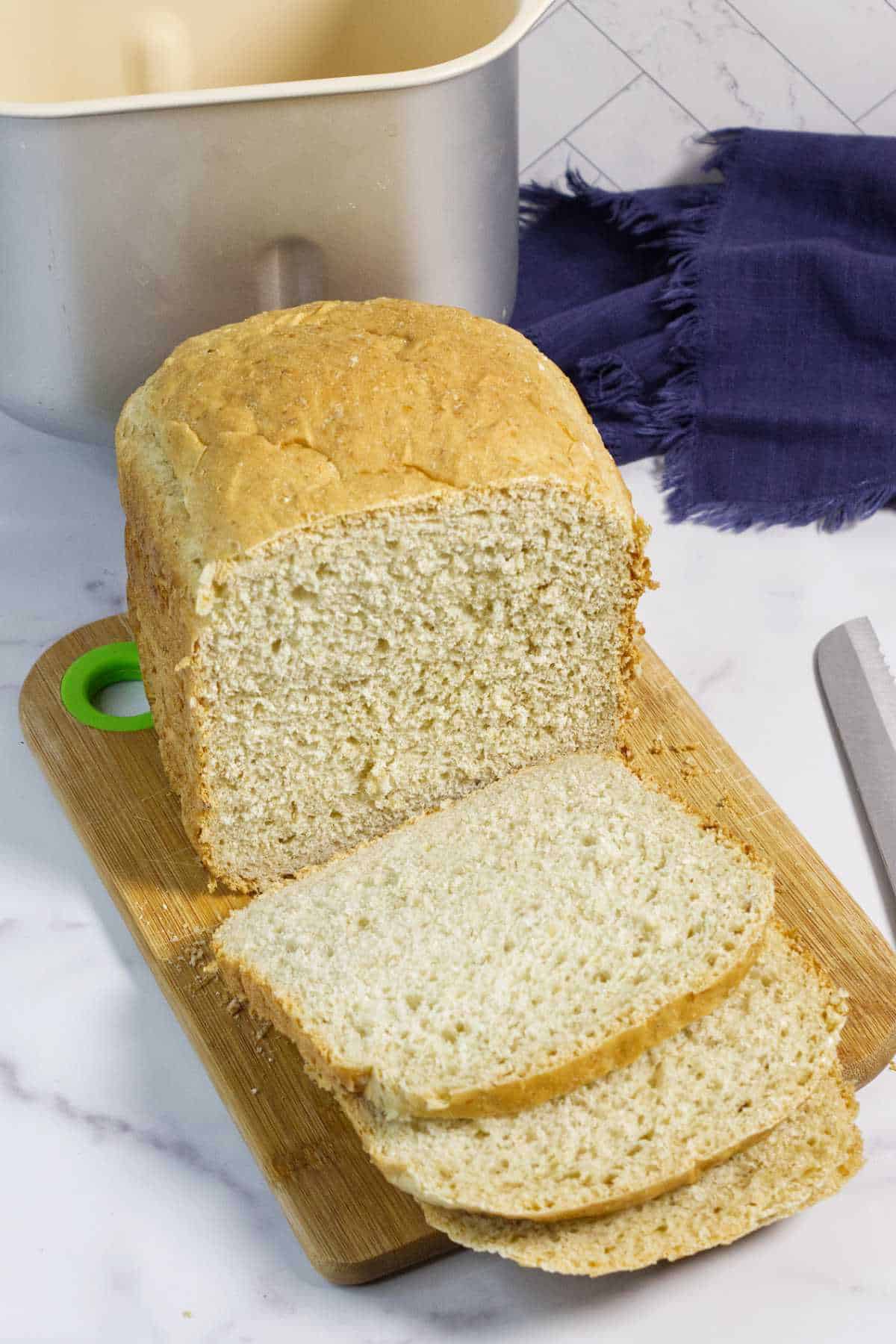
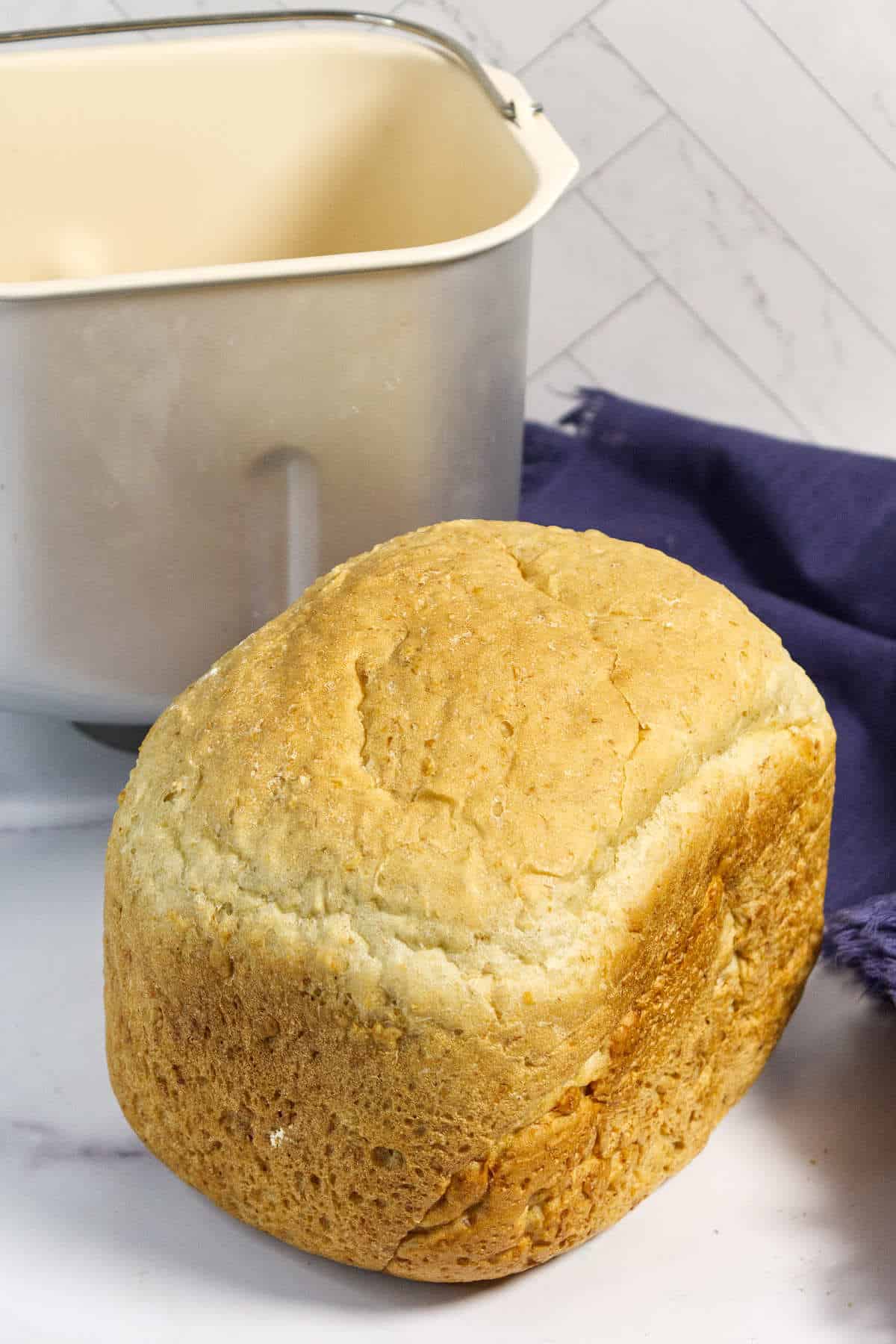
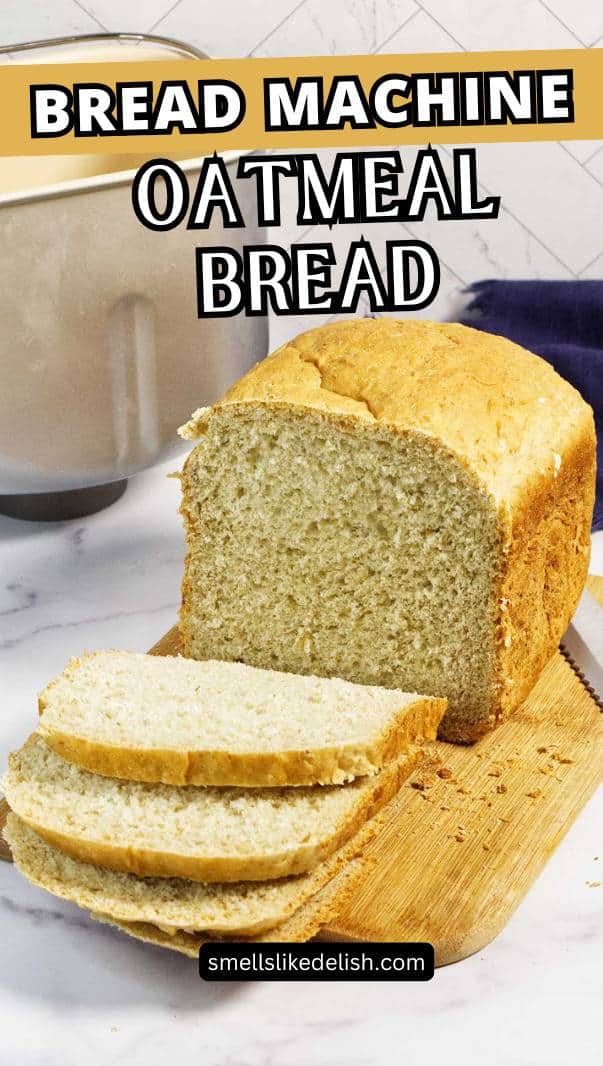
This bread machine oatmeal bread makes a soft, hearty sandwich loaf with a mild oat flavor and tender crumb. Rolled oats add texture and flavor while the bread maker handles the mixing, kneading, and baking.
It is an easy everyday loaf that works well for sandwiches, toast, or morning buttered slices.
Why You'll Love This Bread Machine Oatmeal Bread Recipe
Oatmeal bread has a slightly nutty flavor and a soft crumb that works well for everyday sandwiches and toast. Using the bread machine keeps the process simple while still producing a homemade loaf with good structure and texture. The oats add heartiness without making the bread heavy.
- Reliable bread machine recipe: Designed specifically for bread maker settings so the loaf rises properly.
- Three loaf sizes included: Ingredient amounts work for 1 lb, 1½ lb, or 2 lb bread machine loaves.
- Soft sandwich texture: The oats give the bread body while keeping the crumb tender.
- Simple pantry ingredients: Uses rolled oats, flour, yeast, and a few common staples.
- Hands-off baking: The bread machine handles mixing, kneading, rising, and baking.
Ingredients Overview
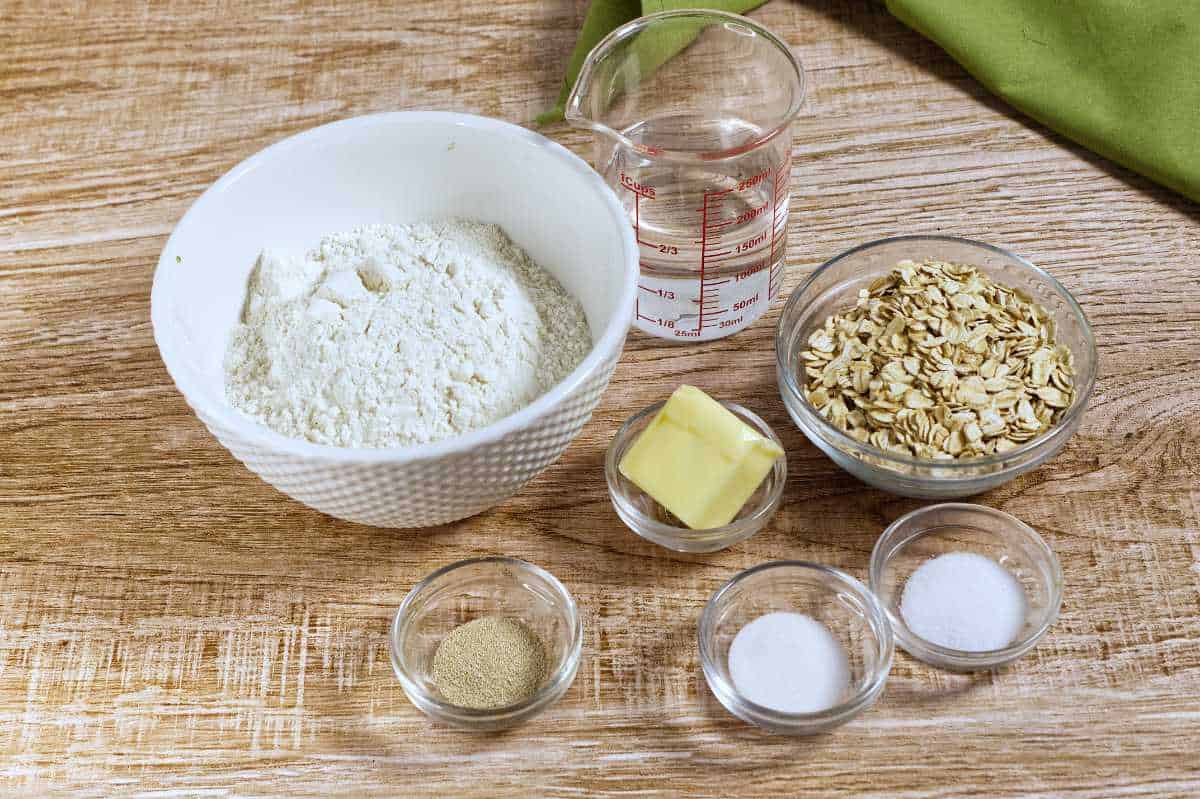
This oatmeal bread recipe uses rolled oats, bread flour, yeast, and a few basic ingredients to create a soft sandwich loaf in the bread machine. The oats add flavor and texture while the bread flour provides the gluten structure that helps the loaf rise properly in the bread machine.
See the recipe card below for the full ingredient list and detailed instructions for each loaf size.
Best Oats for Oatmeal Bread
Old-fashioned rolled oats work best for bread machine oatmeal bread because they soften during mixing while still providing texture. Quick oats can also be used, but they absorb water faster and produce a slightly softer crumb.
Steel-cut oats should not be used in this recipe because they do not soften enough during the bread machine cycle.
How To Make This Bread Machine Oatmeal Bread
This bread machine oatmeal bread recipe follows the standard layering method used in most bread maker recipes. Liquids go in first, followed by the dry ingredients, with the yeast placed on top of the flour before starting the machine.
Pro Tip
Most bread machines default to a 1½ lb loaf, which is the most common size. Ingredient amounts are listed for 1 lb, 1½ lb, and 2 lb loaves, so choose the size that matches your machine before adding ingredients.
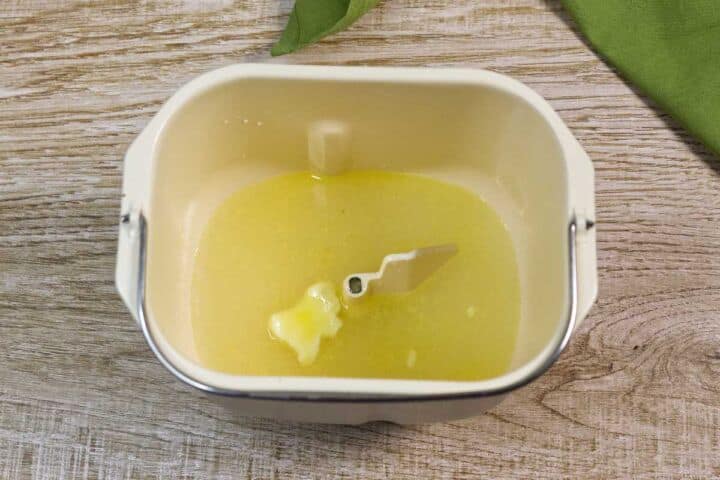
- Pour the water and the melted butter into the bread machine baking pan. Add the sugar and the salt next into the pan.
- Next, add the rolled oats so that they are directly on the water in the bread machine pan.
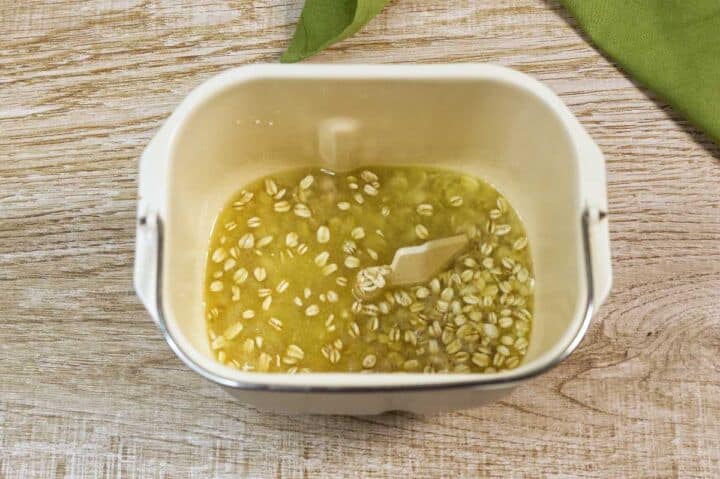
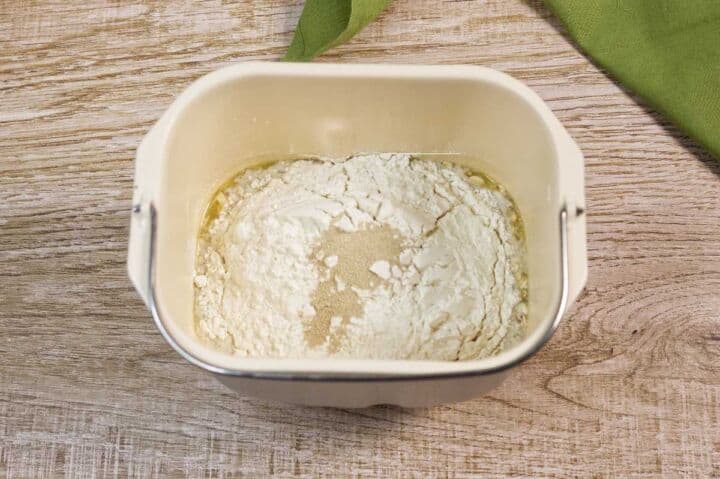
- Place the bread flour in the pan on top of the old fashioned rolled oats, and then add the yeast on top of the bread flour.
- Set the bread maker baking pan in the bread maker and secure it. Then set the program for Basic Bread or White Bread. Set the crust to Medium, either 1, 1½, or the 2 lb weight, and then press Start.
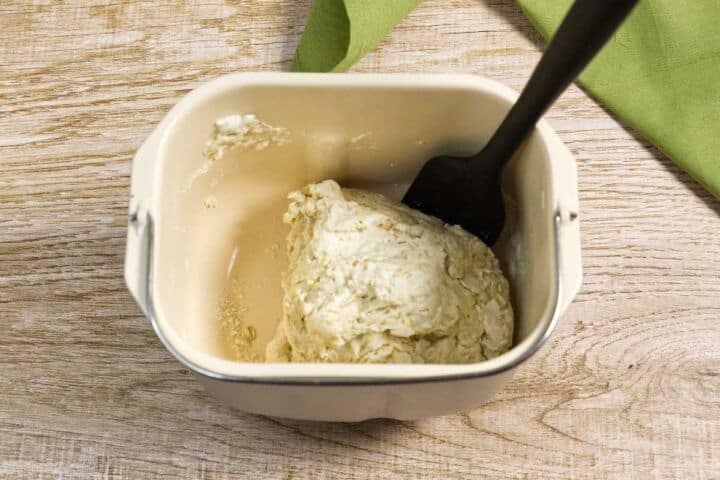
- When mixing, check to see that all the flour is mix, using a spatula to push any ingredients stuck up higher into the dough mixing path. Don't open the bread machine window any more after that.
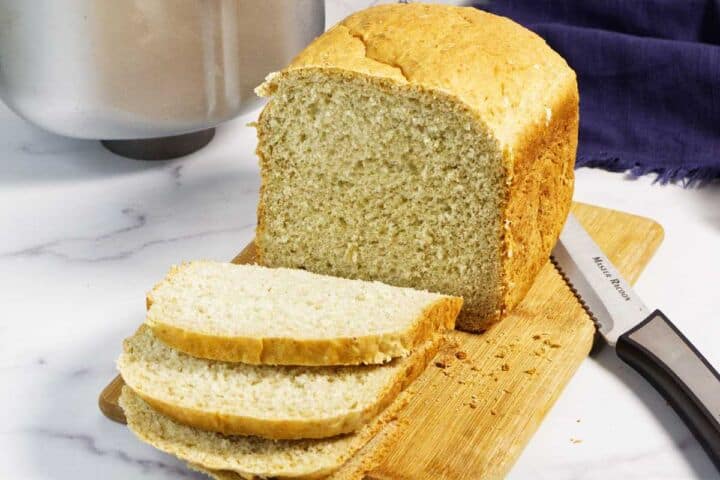
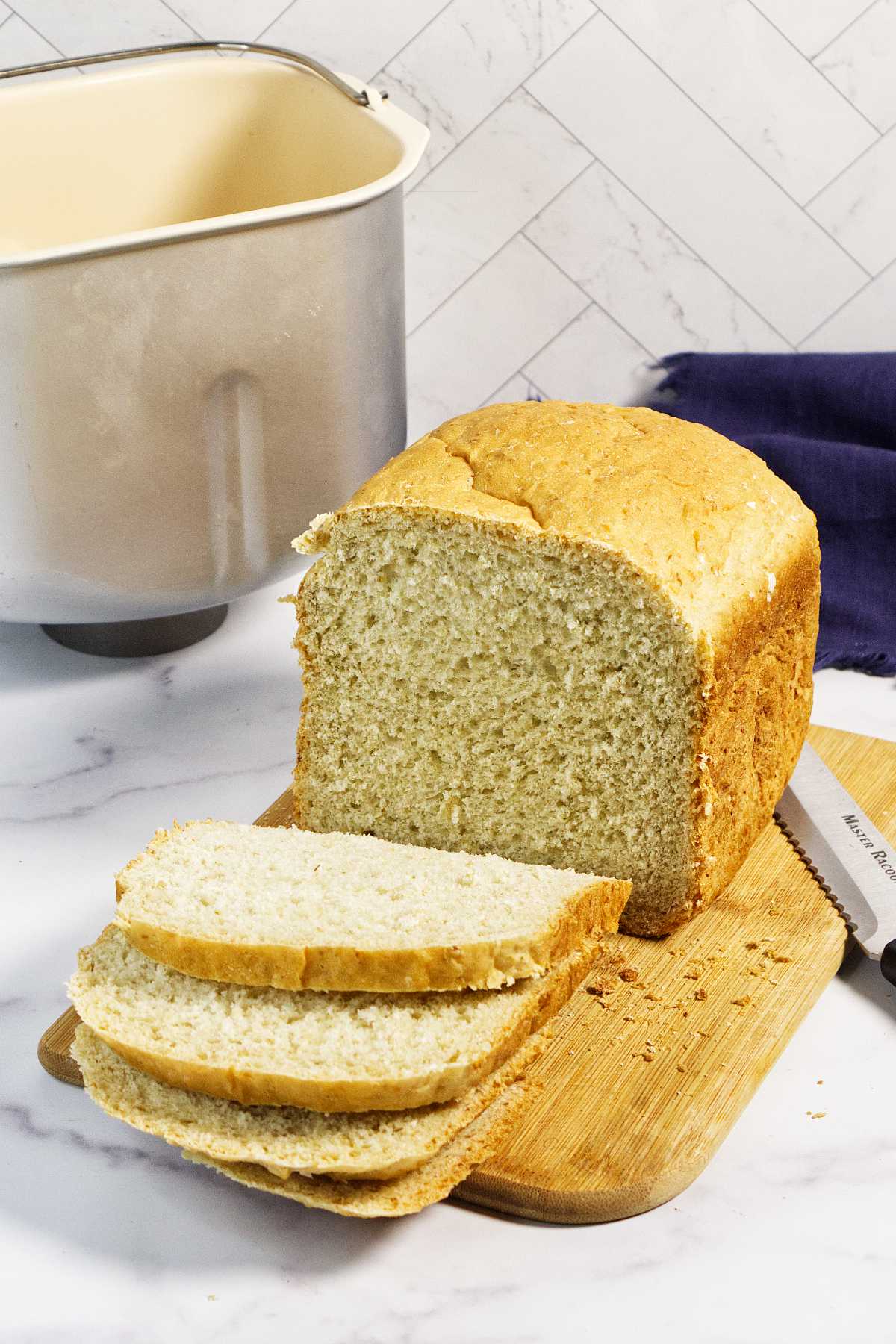
- When the loaf is done, remove the baking pan from the machine with potholders (it will be hot), and let the loaf cool for 5 minutes in the pan. Remove the loaf of bread. Cool on a rack before slicing.
Serving Suggestions
Oatmeal bread is a dependable everyday sandwich loaf with a mild flavor that pairs well with both savory and sweet toppings. Use it for leftover cold roast beef sandwiches, grilled cheese, or toast in the morning with butter or jam.
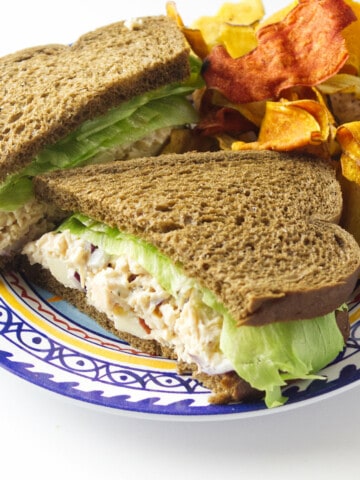
It also works well alongside soups or stews where a slice of bread is useful for soaking up broth. The soft crumb makes it a good choice for sandwiches like tuna salad, chicken salad, or egg salad.
Substitutions and Variations
Some useful tips and substitutions when making this recipe:
- Butter or oil: Either melted butter or vegetable oil works well in this recipe and produces a soft crumb.
- Honey instead of sugar: Honey can replace the sugar for a slightly richer flavor in the finished loaf.
- Seed mix-in's: Sunflower seeds, sesame seeds, or flax seeds can be added during the add-in cycle of the bread machine for extra texture.
- Add oat topping: Sprinkle a few extra rolled oats on top of the dough during the final rise for a more traditional oatmeal bread look.
- Part whole wheat flour: Replace up to one third of the bread flour with whole wheat flour for a slightly heartier loaf.
- Milk instead of water: Substituting milk for the water produces a softer loaf with a slightly richer flavor.
Tips for Success
Helpful tips to help you when making this recipe:
- Use warm water: Water around 105-110°F helps activate the yeast and supports a good rise.
- Layer ingredients correctly: Adding liquids first and yeast last helps the bread machine mix the dough properly.
- Check the dough early: A quick check during the first mixing cycle ensures no flour remains stuck in the corners of the pan.
- Use bread flour: Bread flour provides stronger gluten development which helps support the oats in the dough.
- Let the loaf cool fully: Cutting the bread while hot can compress the crumb and make slices uneven.
Storage Options
Here is how I store leftovers when making this recipe:
- Room temperature storage: Store the cooled loaf in a bread bag or airtight container for up to 3 days.
- Refrigeration: Refrigeration is not recommended because it dries the bread out faster.
- Freezing slices: Slice the loaf and freeze in a sealed freezer bag for up to 2 months. Toast slices directly from frozen.
- Freezing whole loaf: Wrap tightly in plastic wrap and freeze for up to 2 months. Thaw at room temperature before slicing.
Related Recipes
Frequently Asked Questions
Dense bread is often caused by too little liquid, expired yeast, or using all-purpose flour instead of bread flour.
Rolled oats do not need to be soaked in bread machine recipes because they soften as the dough mixes and rises.
This usually happens if the dough contains too much liquid or if the yeast rises too quickly and collapses during baking.
Whole wheat flour should not replace all of the bread flour in this recipe. Whole wheat flour absorbs more liquid and produces a denser loaf unless the recipe is specifically designed for it. If you want to use whole wheat flour, it is best to follow a recipe written for whole wheat bread.
Increasing the oats too much can make the dough heavy and prevent proper rising.
Bread flour works best because it has higher protein for gluten development. All-purpose flour can be used, but the loaf may rise slightly less.
Lunch Recipes



Get The Recipe!
Bread Machine Oatmeal Bread
Equipment
- Hamilton Beach Bread Maker Machine
- Zojirushi Virtuoso Home Bakery Bread Machine
Ingredients
For 1 lb loaf
- ¾ cup warm water 105-110℉
- 2 tablespoons butter melted, or vegetable oil
- 2 tablespoons sugar
- 1 teaspoon salt
- ¾ cup oats old fashioned rolled oats
- 1½ cup bread flour
- 1 teaspoon instant yeast or active yeast.
For 1½ lb Loaf
- 1⅛ cup warm water 105-110℉
- 3 tablespoons butter melted or vegetable oil
- 3 tablespoons sugar
- 1½ teaspoon salt
- 1 cup oats old fashioned rolled oats
- 2¼ cup bread flour
- 1½ teaspoon instant yeast or active yeast.
2 lb Loaf
- 1½ cup warm water 105-110℉
- ¼ cup butter melted or vegetable oil
- ¼ cup sugar
- 2 teaspoon salt
- 1½ cup oats old fashioned rolled oats
- 3 cup bread flour
- 2 teaspoon instant yeast or active yeast.
Instructions
- Choose the size of loaf you want to make. Ingredients are list for a 1 lb, 1½ lb, or a 2 lb loaf of oatmeal sandwich bread.
- Pour the water and the melted butter into the bread machine baking pan. Add the sugar and the salt next into the pan.
- Next, add the rolled oats so that they are directly on the water in the bread machine pan.
- Place the bread flour in the pan on top of the old fashioned rolled oats, and then add the yeast on top of the bread flour.
- Set the bread maker baking pan in the bread maker and secure it. Then set the program for Basic Bread or White Bread. Set the crust to Medium, either 1, 1½, or the 2 lb weight, and then press Start.
- When mixing, check to see that all the flour is mix, using a spatula to push any ingredients stuck up higher into the dough mixing path. Don't open the bread machine window any more after that.
- When the loaf is done, remove the baking pan from the machine with potholders (it will be hot), and let the loaf cool for 5 minutes in the pan.
- Gently tip the pan and remove the loaf of bread. Use the paddle hook to remove the paddle if it comes out with the bread. Cool on a rack before slicing.
Notes
- Use warm water: Water around 105-110°F helps activate the yeast and supports a good rise.
- Layer ingredients correctly: Adding liquids first and yeast last helps the bread machine mix the dough properly.
- Check the dough early: A quick check during the first mixing cycle ensures no flour remains stuck in the corners of the pan.
- Use bread flour: Bread flour provides stronger gluten development which helps support the oats in the dough.
- Let the loaf cool fully: Cutting the bread while hot can compress the crumb and make slices uneven.
Nutrition
Pin It For Later ⤵
Kelly Bloom says
Delicious, I'm making this again!