


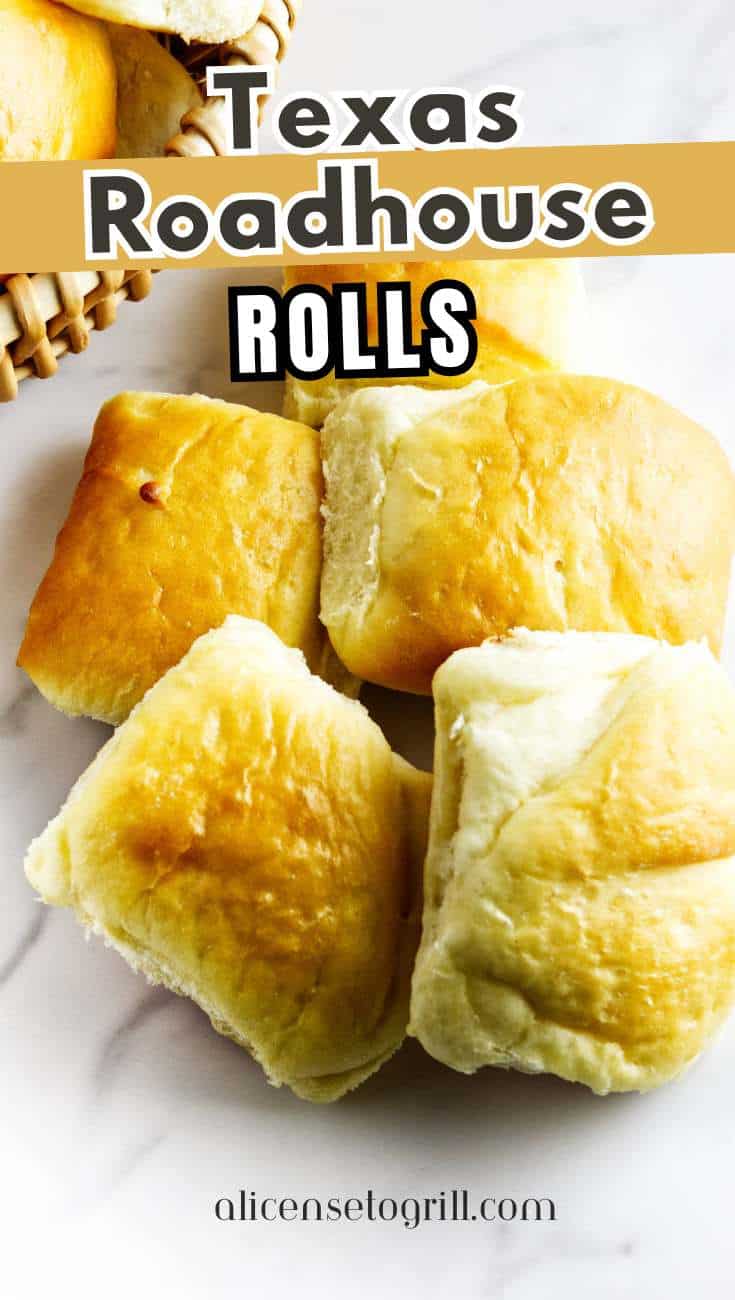
These Texas Roadhouse rolls are soft, slightly sweet, and easy to make at home. Inspired by the famous restaurant rolls, they bake up light and fluffy with a buttery finish.
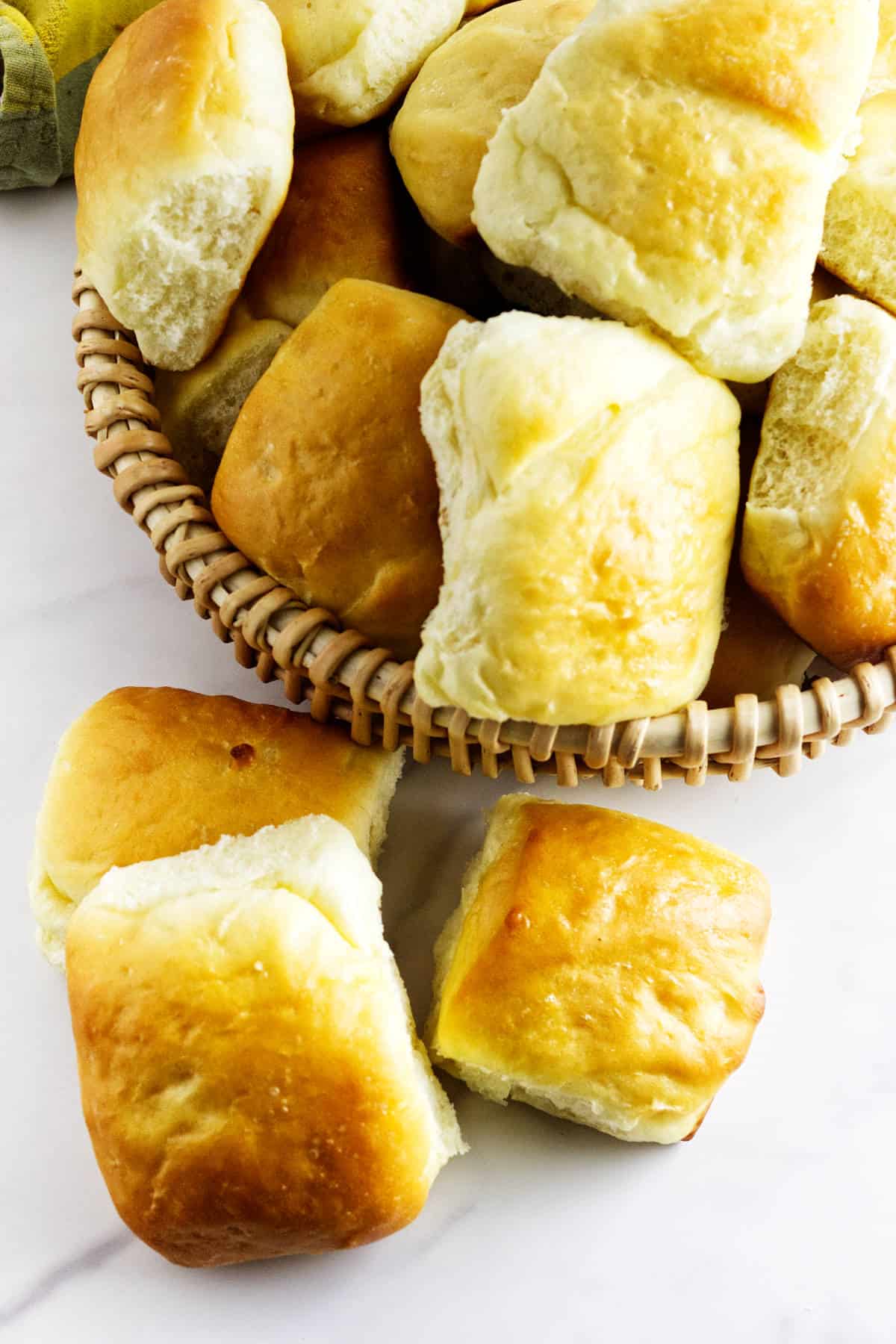
These Texas Roadhouse rolls go with just about any meal. Serve them with a hearty Dutch oven roasted chicken, as they're perfect for soaking up savory juices.
Why You'll Love This Texas Roadhouse Rolls (Copycat Recipe)
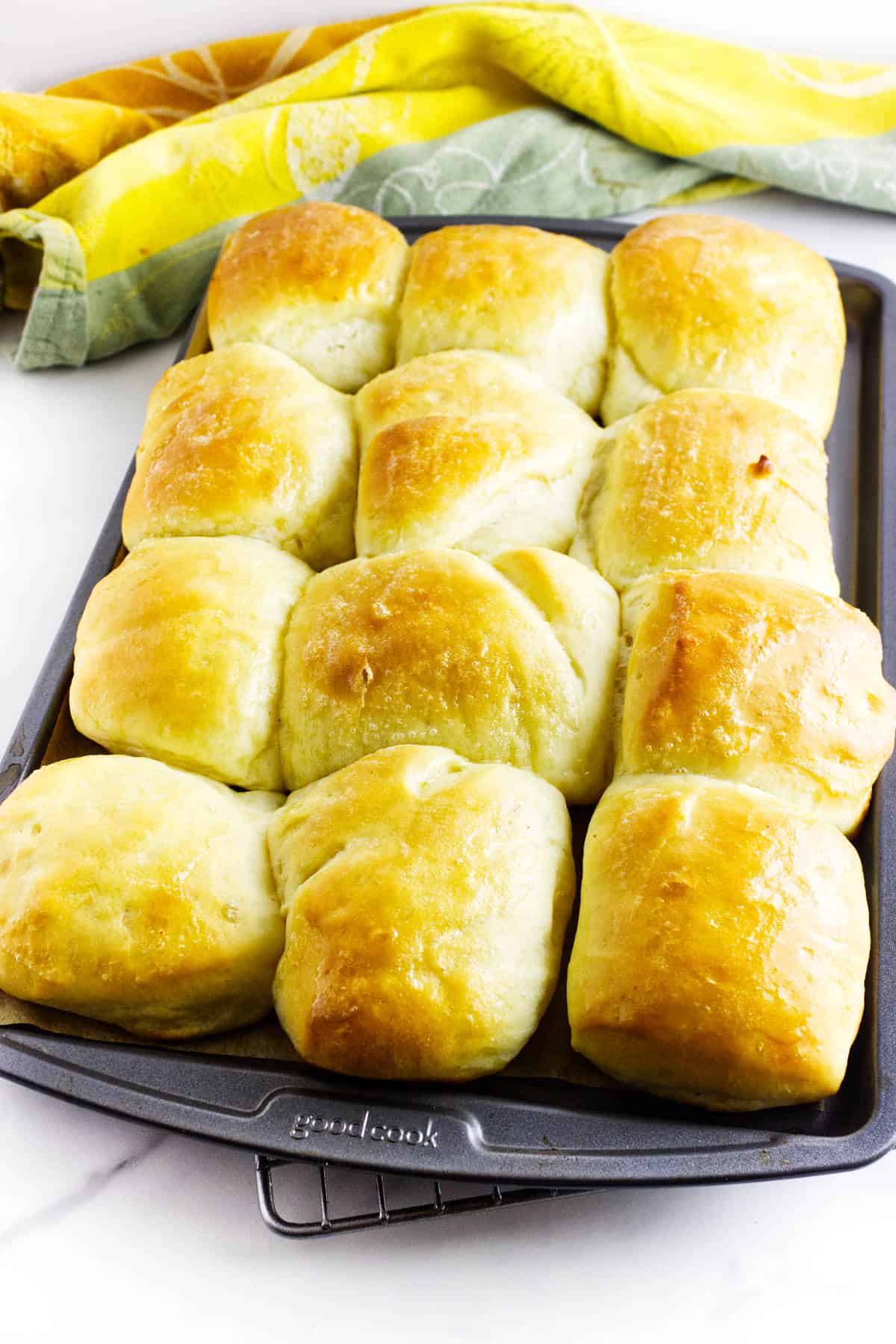
These dinner rolls are soft, tender, and full of buttery flavor. They're right at home on the table for family dinners, holidays, or anytime you want something warm and fresh from the oven.
- Soft, fluffy texture: Light and airy rolls with a tender crumb.
- Simple to make: Straightforward steps that make homemade rolls feel doable.
- Great with any meal: Buttery flavor that pairs well with weeknight dinners or holiday meals.
Ingredients Overview
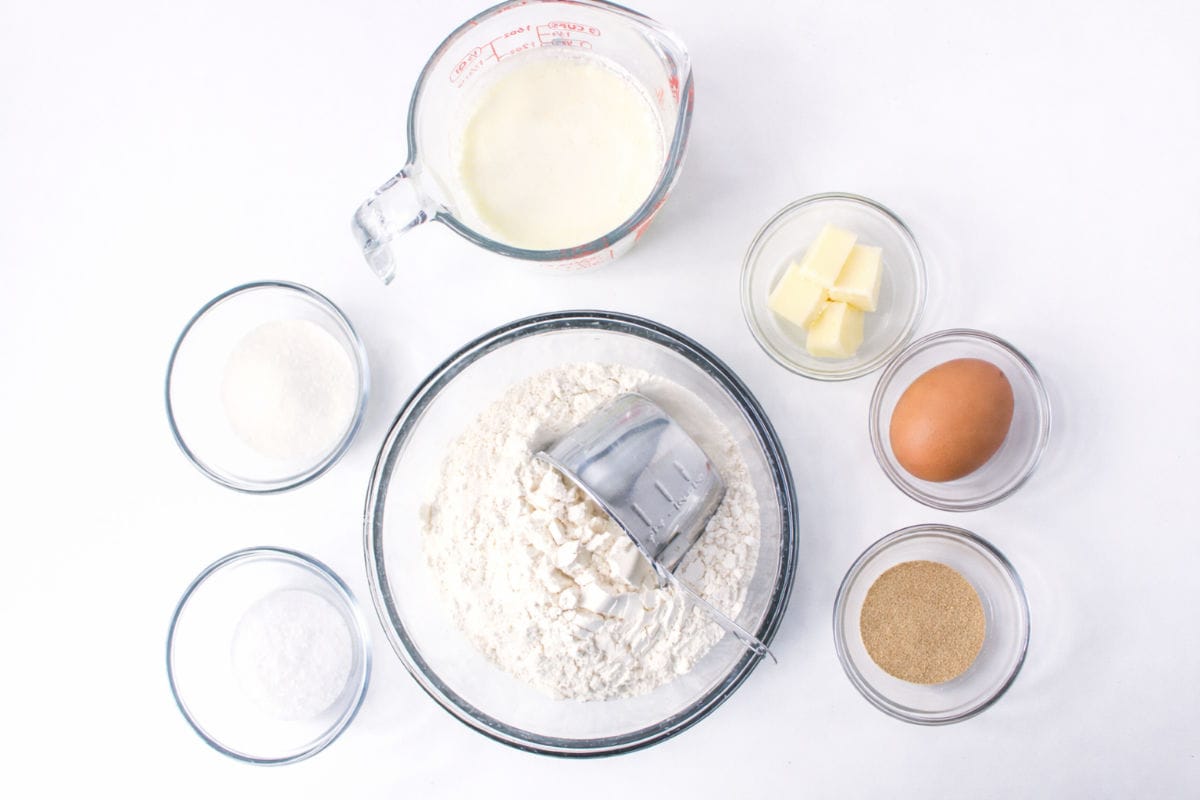
To make these dinner rolls, you'll need standard baking ingredients. All-purpose flour, active dry yeast, warm milk, and sugar form the base, while butter and an egg add richness and tenderness. A pinch of salt balances the flavors, creating a perfect, soft crumb.
Full ingredient amounts and preparation instructions are in the printable recipe card at the bottom of this post.
How To Make Copycat Texas Roadhouse Rolls
Making these fluffy, homemade dinner rolls starts with activating yeast in warm milk, combining it with flour, sugar, butter, and an egg to form a soft dough. After kneading and allowing it to rise until doubled, you'll shape the rolls and bake them until golden brown.
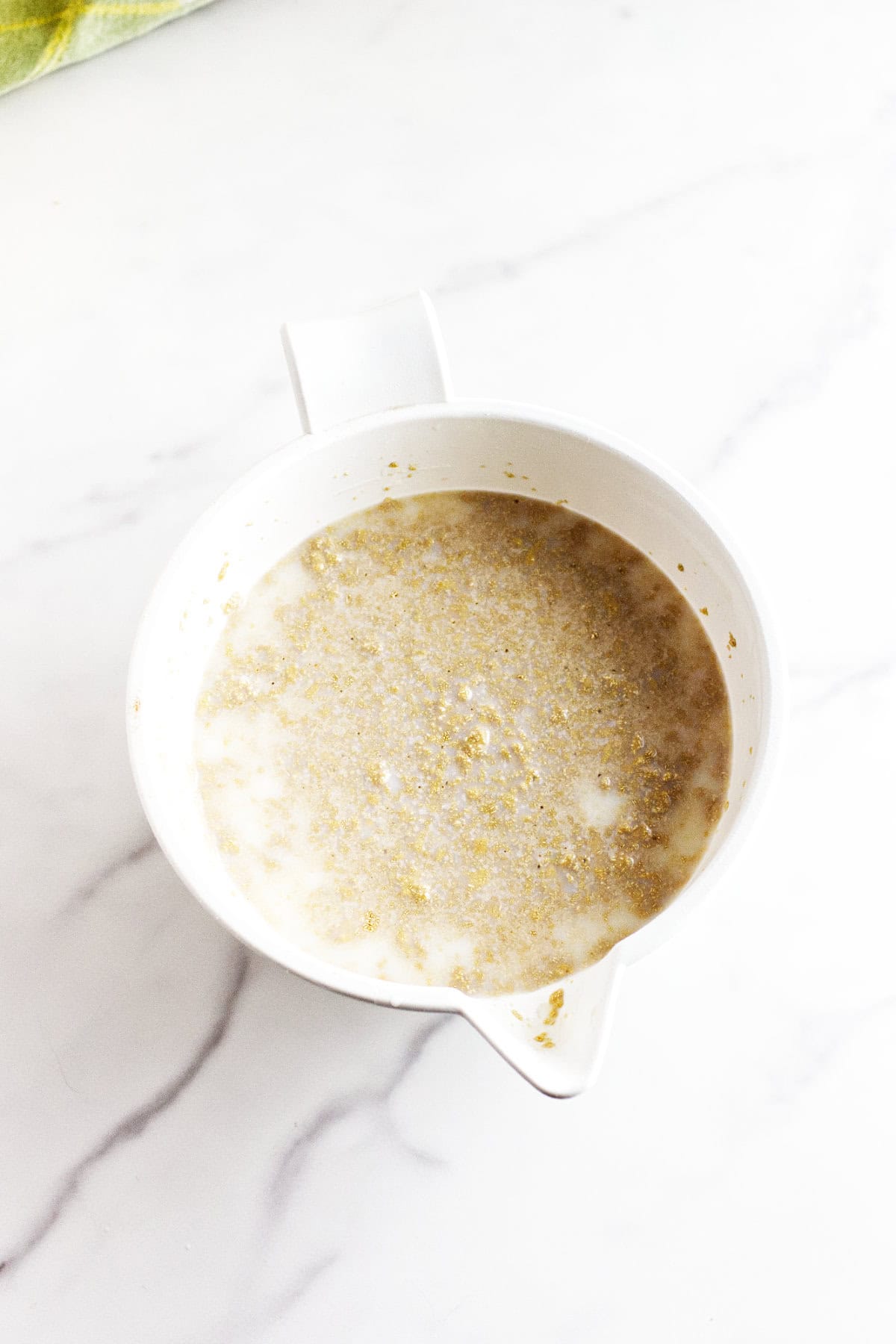
Step 1: Add the warm milk and sugar to a small bowl and sprinkle yeast over it. Let it sit for 5 to 10 minutes until foamy.
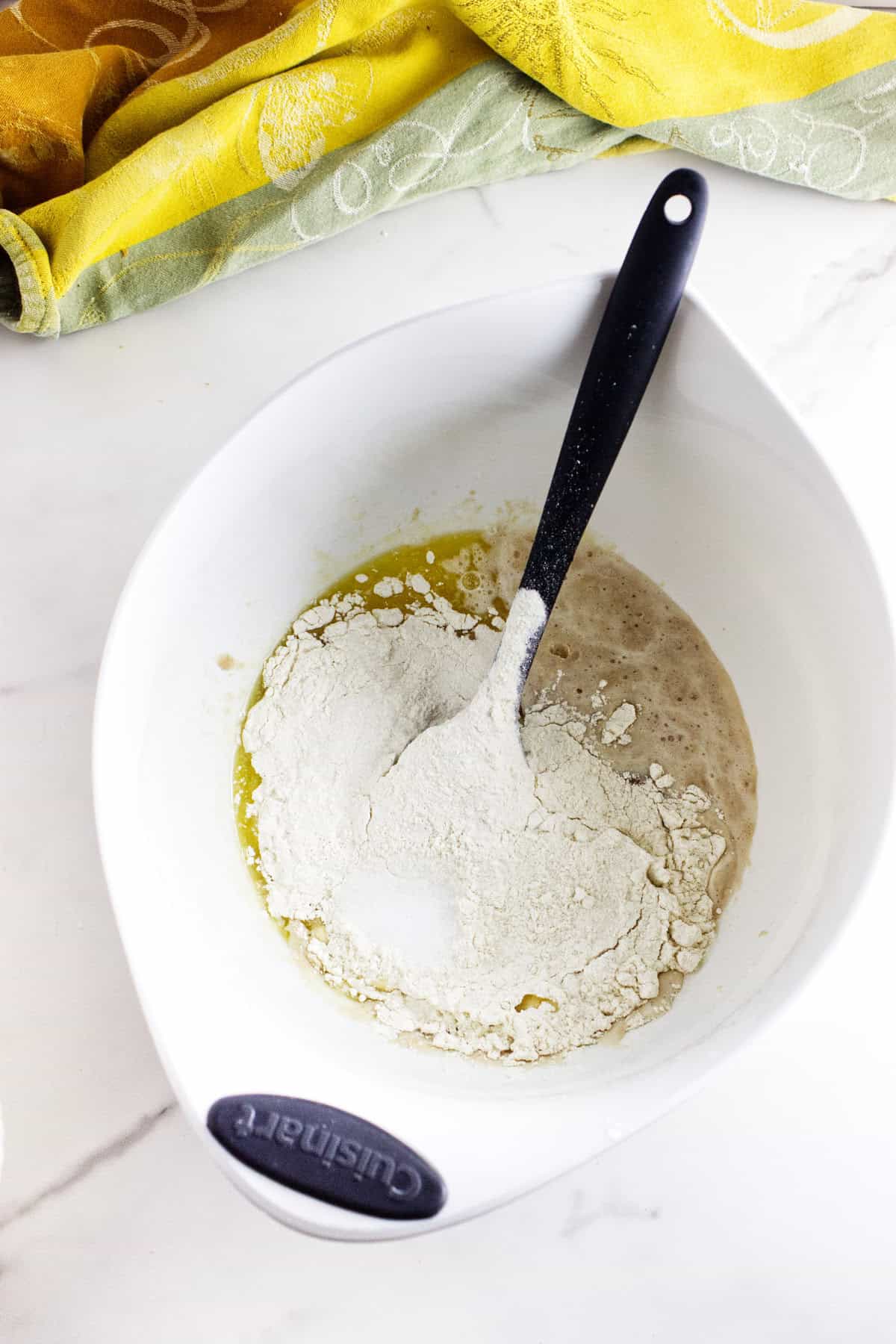
Step 2: Using a large mixing bowl, add the yeast mixture, the melted butter, egg, salt, and half the flour (2 cups).
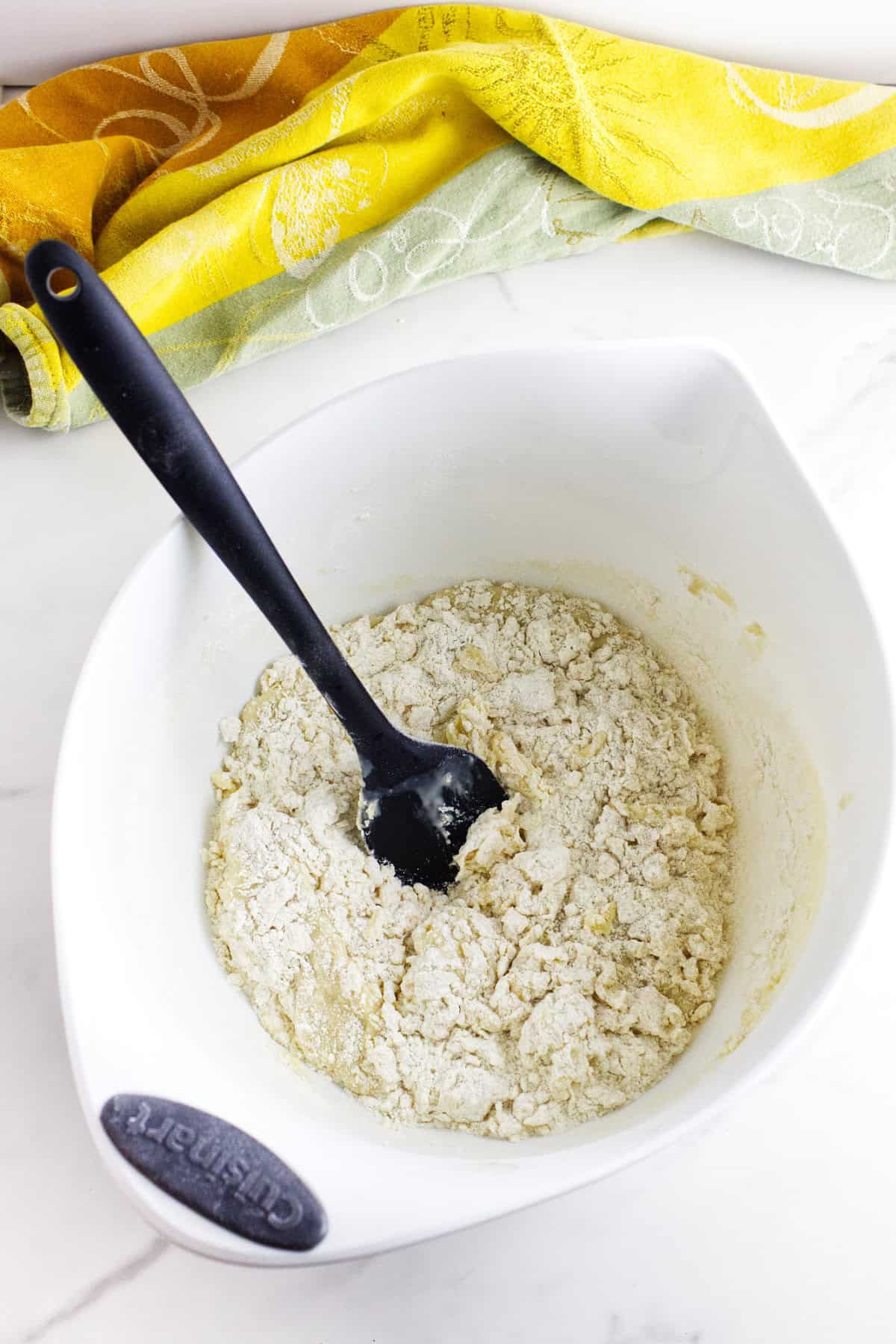
Step 3: Mix until the batter is smooth and lump free, scraping the sides of the bowl.
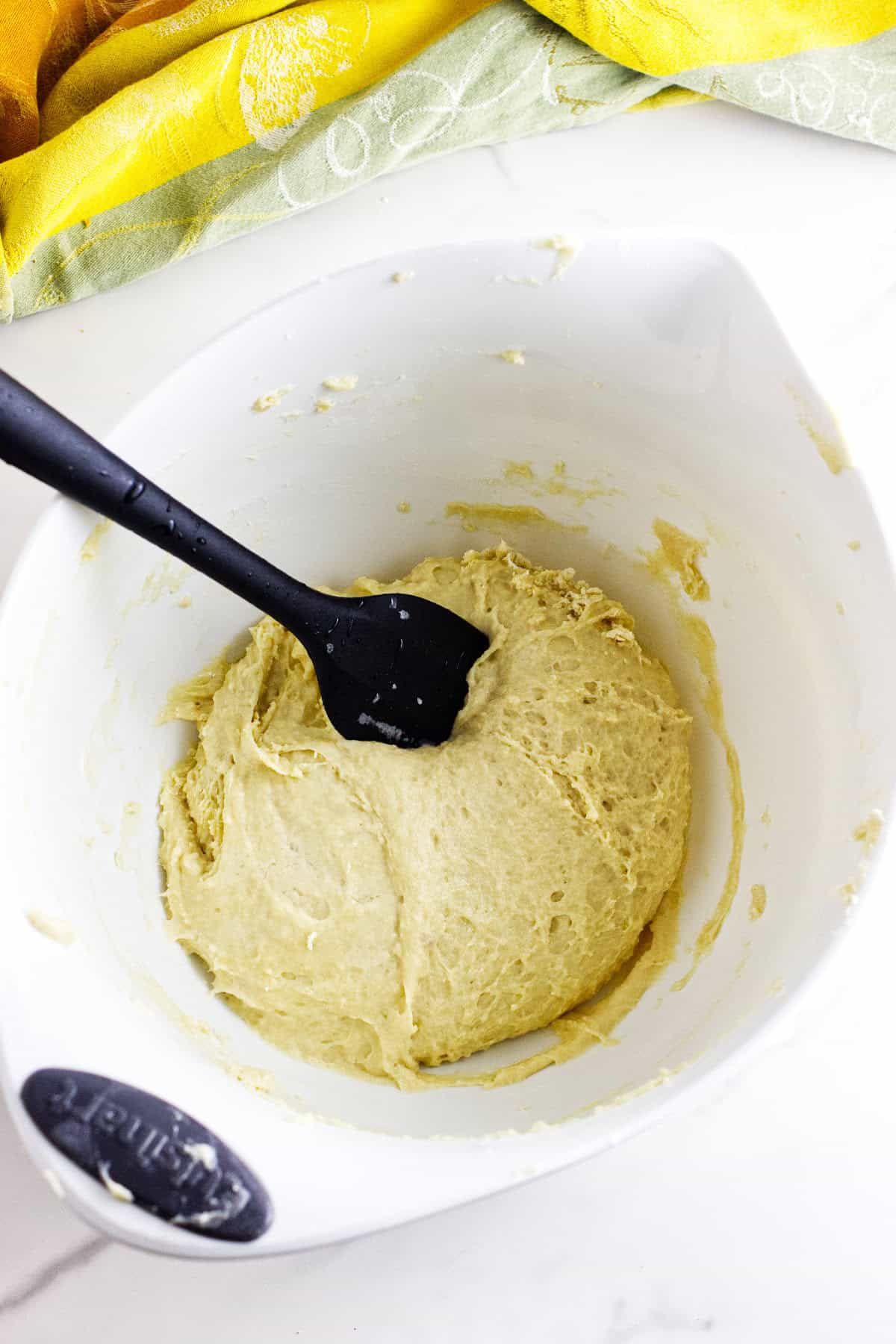
Step 4: Add the remaining flour until a soft dough forms. You may not need the full amount. The dough will be slightly sticky.
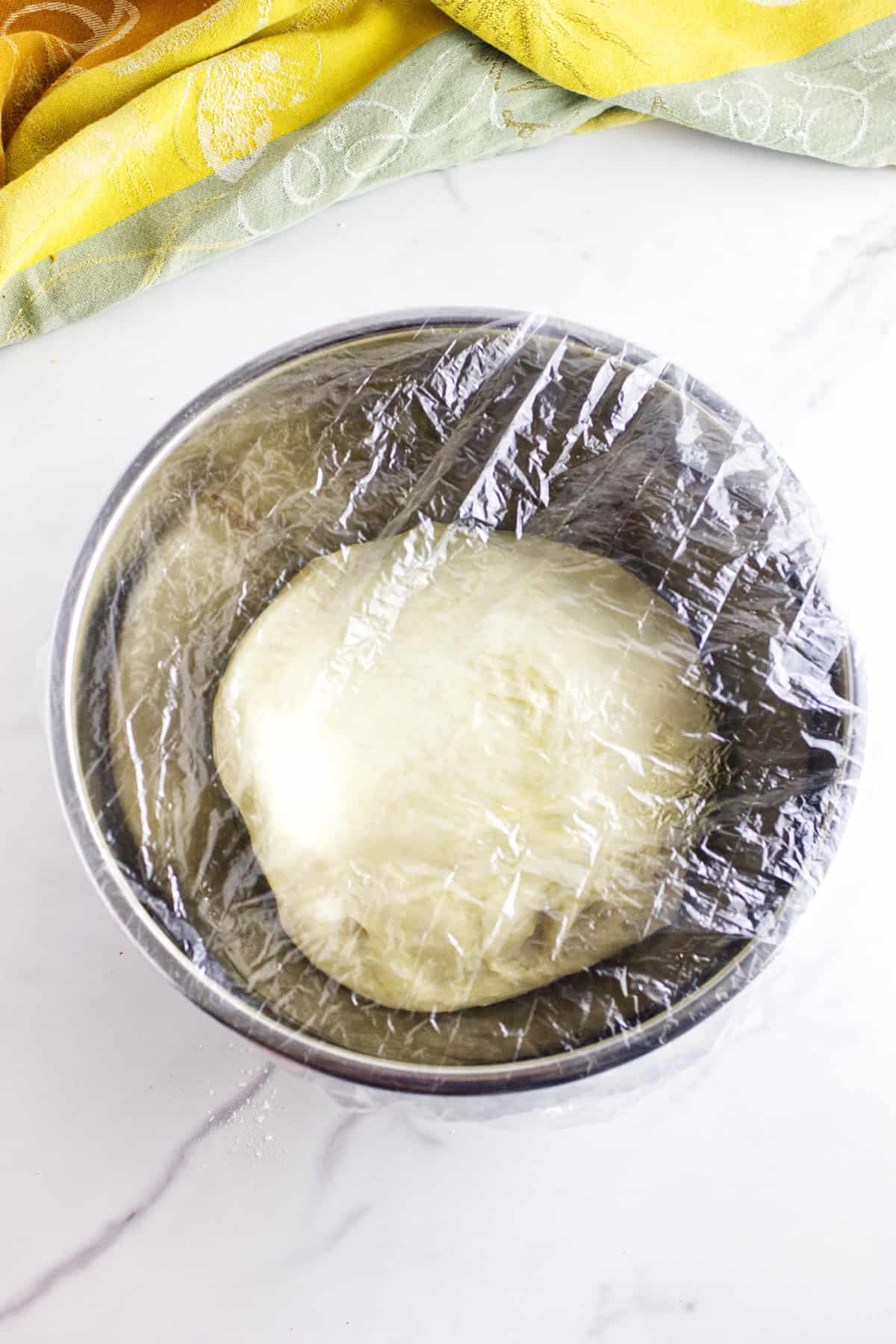
Step 5: Smear oil in a large bowl. Add the ball of dough, turning it so it is covered in oil.
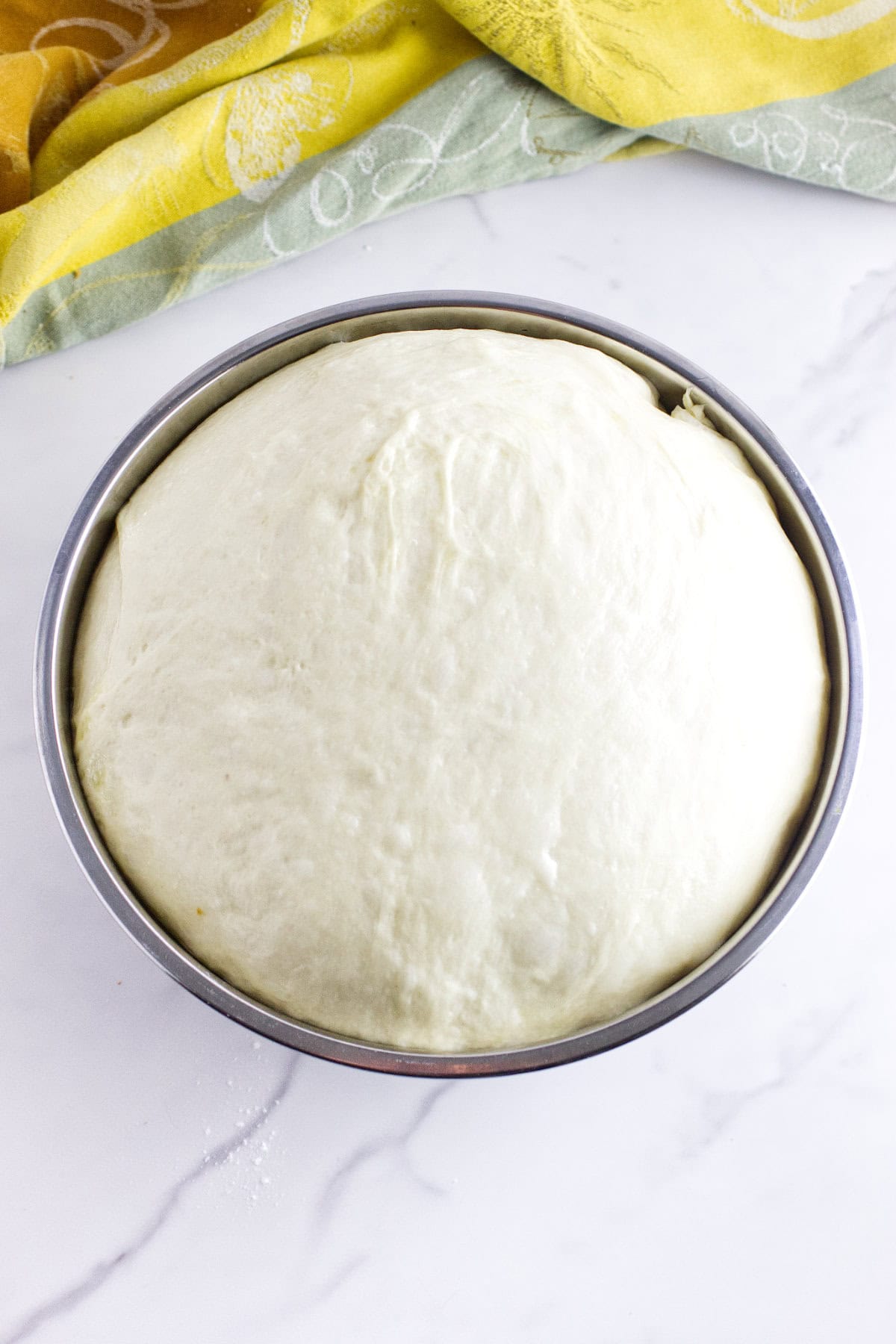
Step 6: Cover the bowl with a towel or shower cap and let the dough rise in a warm place until doubled, about 45 to 90 minutes.
Step 7: Punch the dough down and turn out onto a lightly floured surface. Knead a few times to make smooth and elastic. (About 4 - 6 kneads is all you need to do).
Step 8: Prepare the baking sheets with parchment paper or spray with non-stick cooking spray.
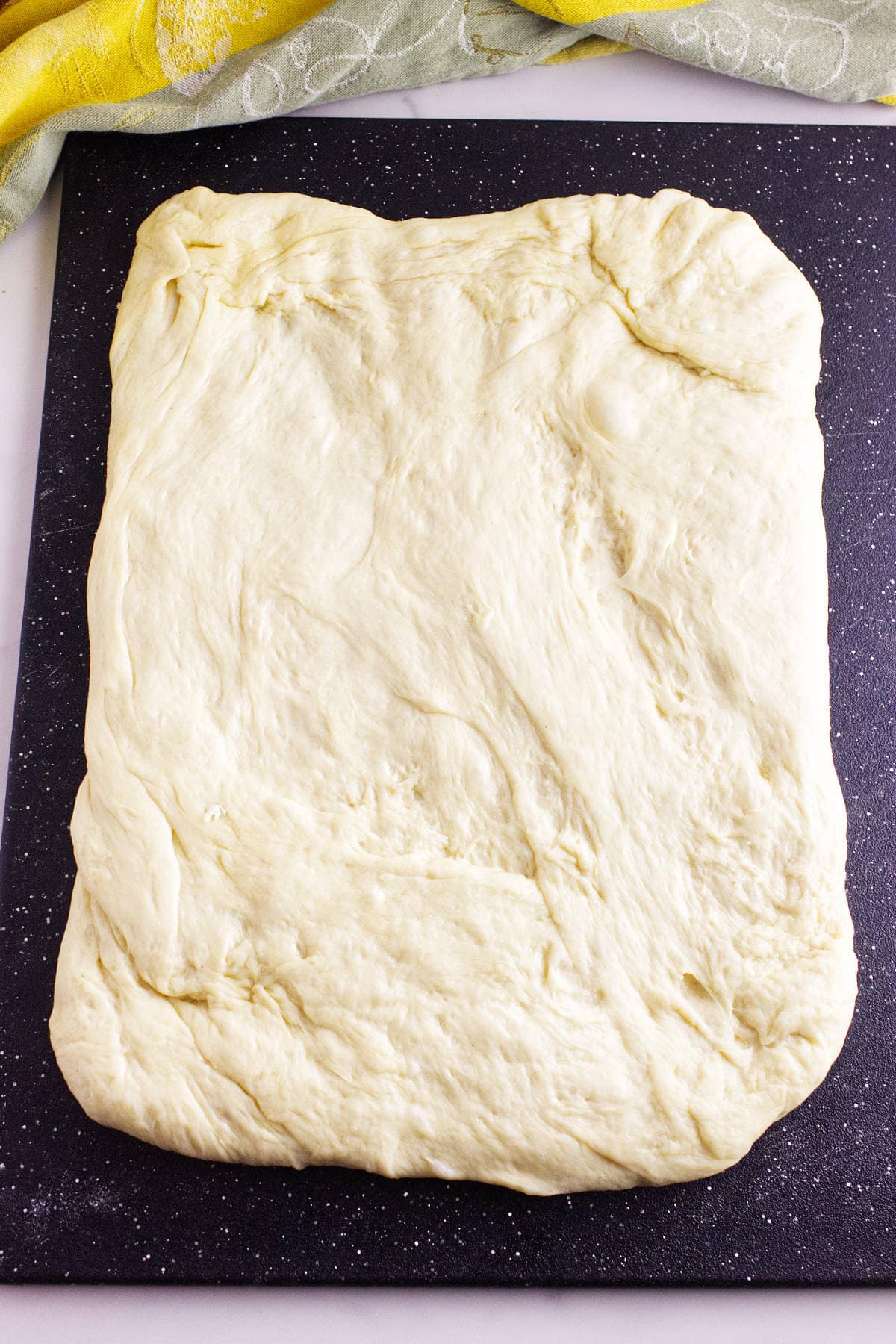
Step 9: Using a rolling pin or your hands, shape the dough into a 12 x 9 inch rectangle.
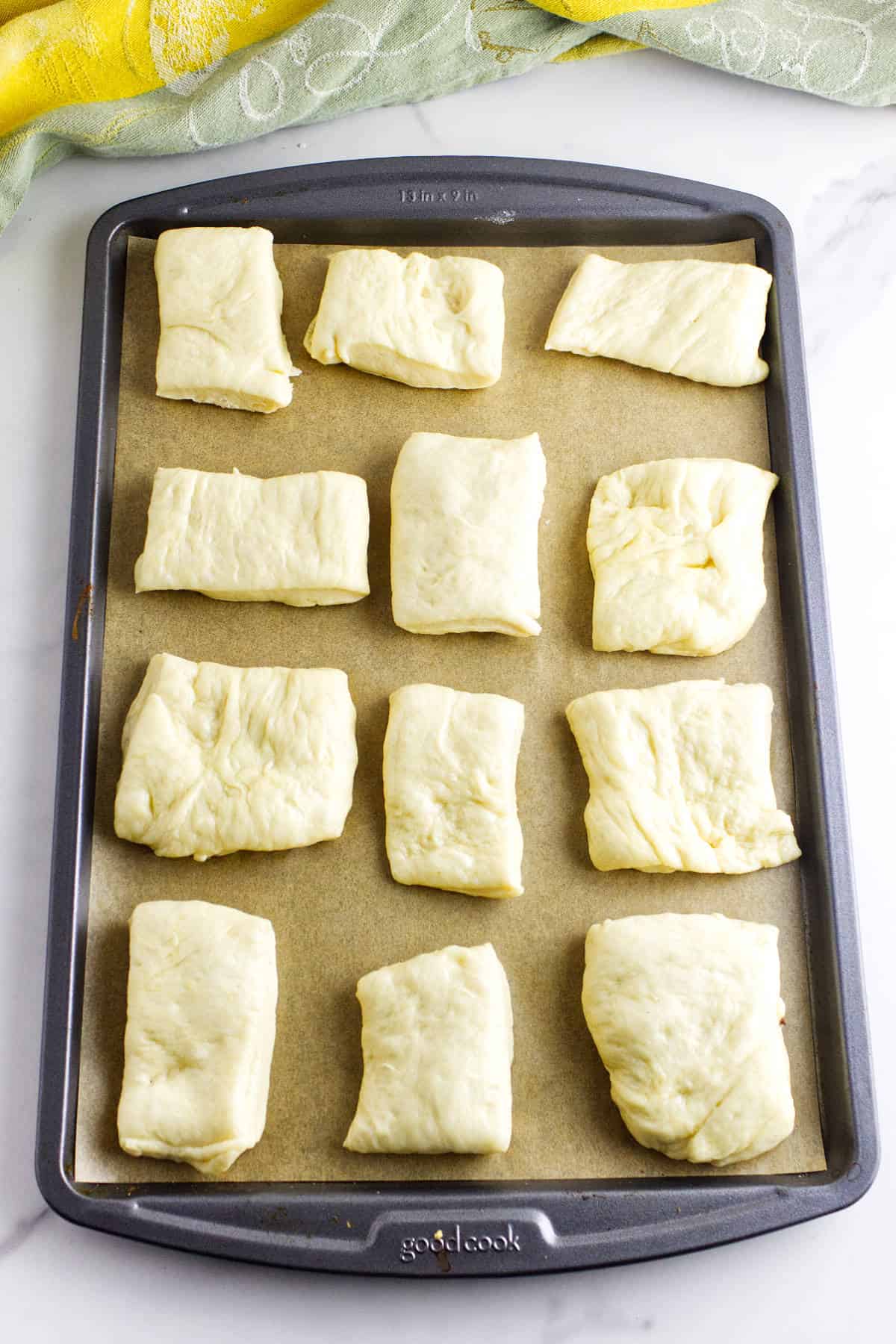
Step 10: Using a bench scraper or knife, cut the dough into 15 portions by making 3 cuts lengthwise and 5 cuts crosswise.
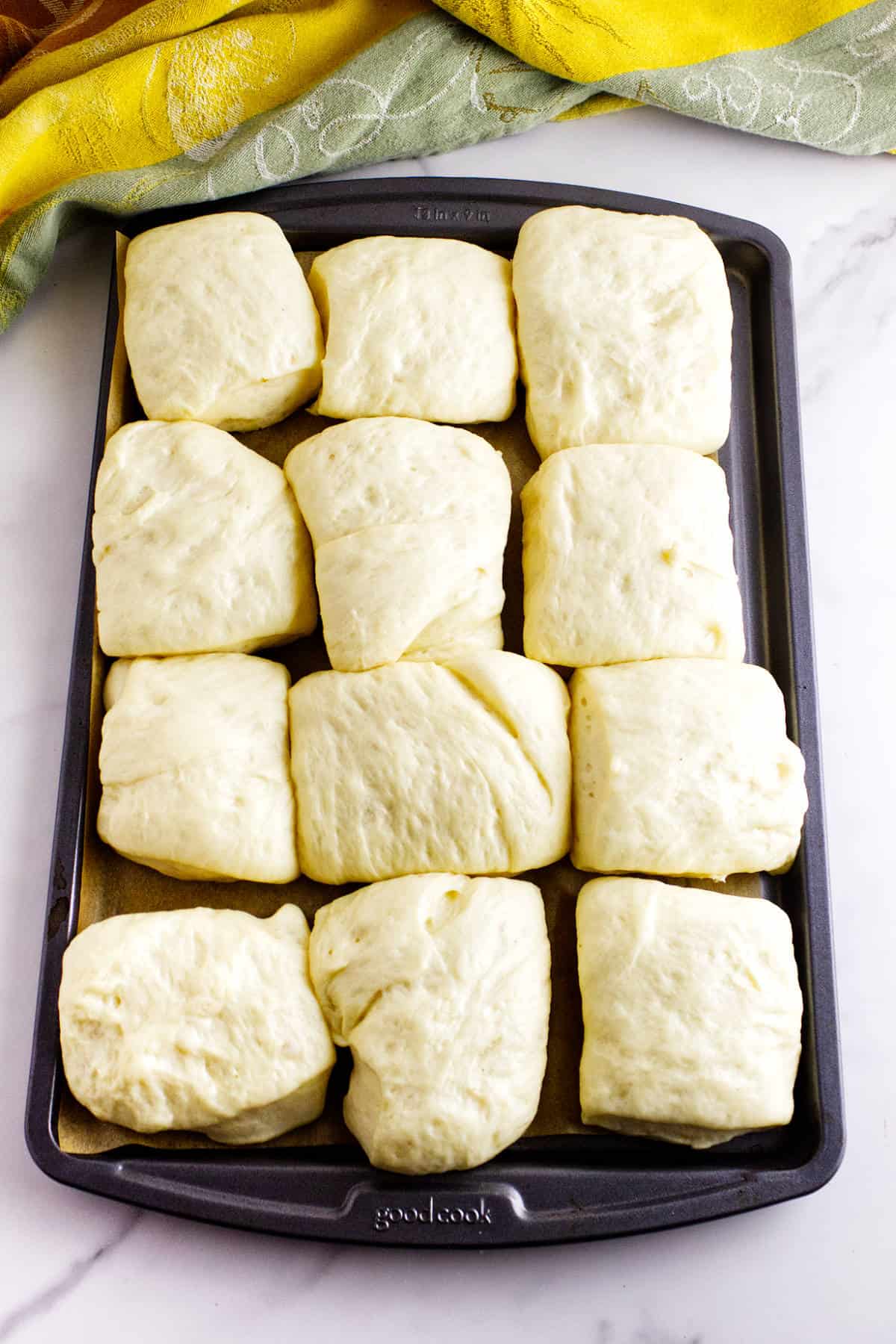
Step 11: Transfer the rolls to prepared baking sheets. Cover and let rise until nearly doubled, 45 to 60 minutes. Preheat the oven to 350°F during the last 10 minutes.
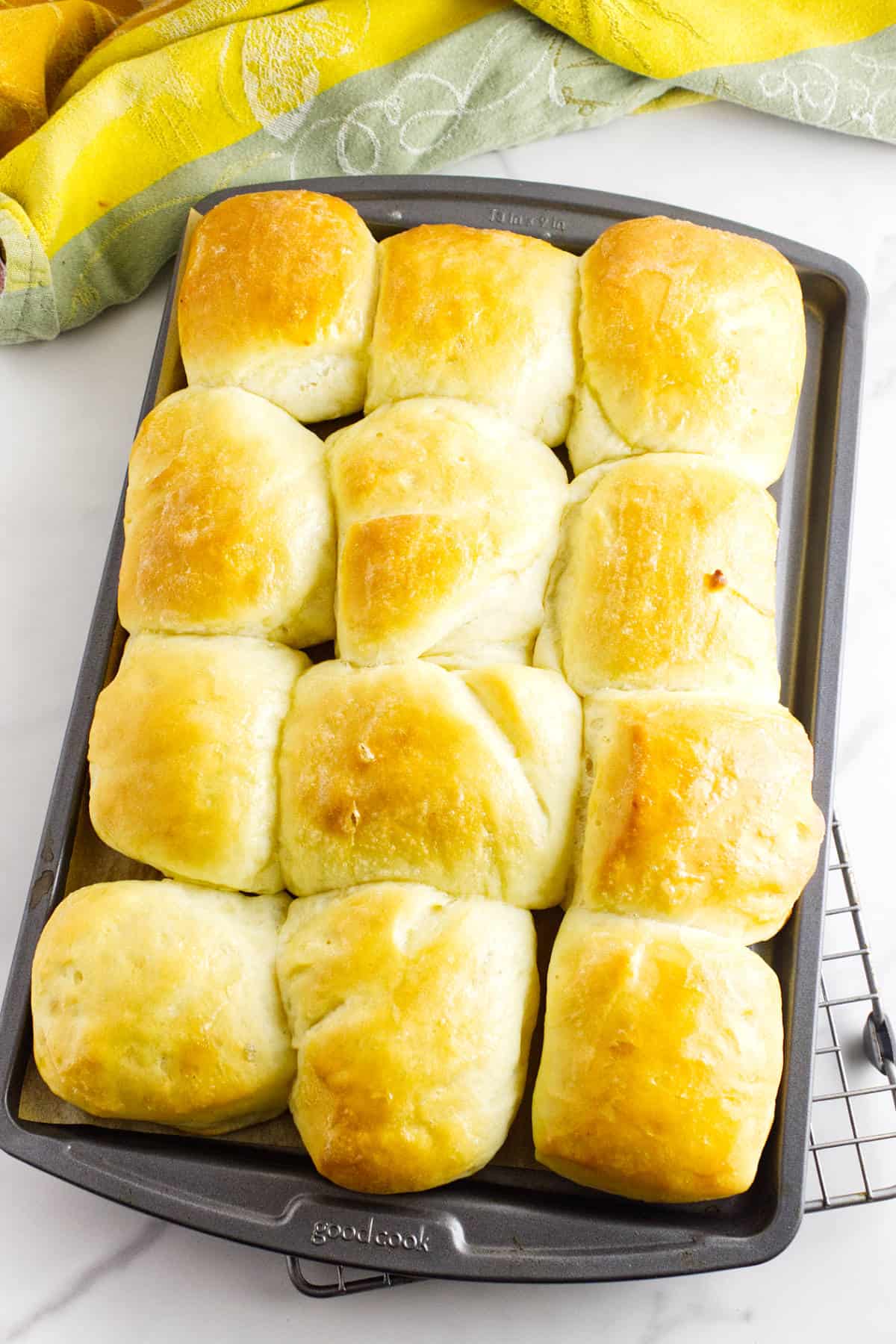
Step 12: Place both trays on the middle rack of the oven and bake for 13 to 15 minutes, or until golden brown.
Step 12: Remove from the oven and rub the butter (I use a tablespoon) over the rolls while they are still hot.
Serving Suggestions
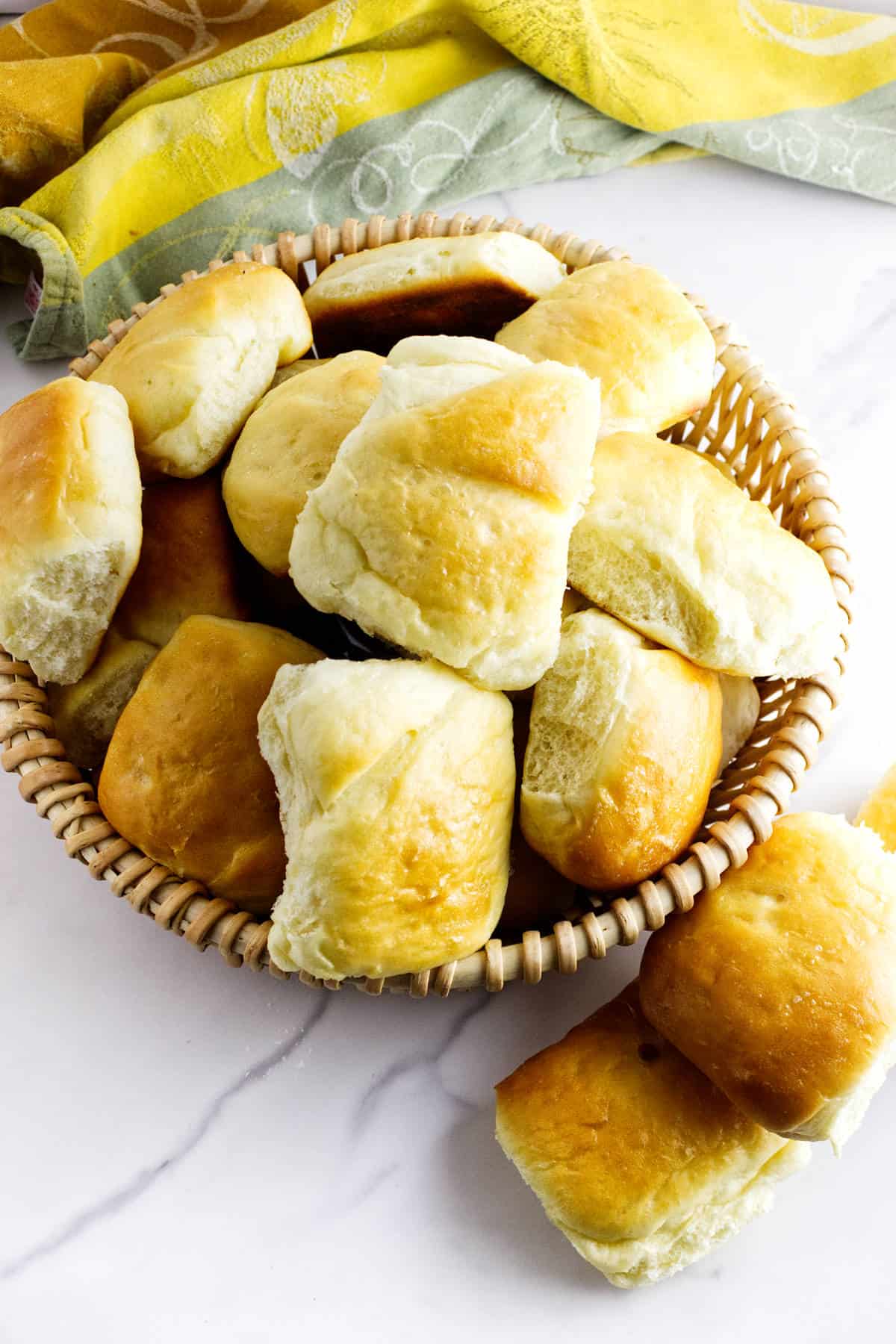
Texas Roadhouse rolls are a natural side for grilled sirloin steak and buttery mashed potatoes for a steakhouse-style meal at home.
Serve them warm with cinnamon honey butter, or use them for BBQ pulled pork sliders. They're also right at home alongside steakhouse-style pork chops with green beans and potatoes.
Substitutions and Variations
Here are a few simple ways to adjust this recipe.
- Flour options: Use all-purpose flour as written, or swap up to ½ cup with bread flour for a slightly chewier texture. For a nuttier flavor, replace up to ½ cup with whole wheat flour.
- Milk alternatives: Buttermilk adds a slight tang and softer crumb. You can also use oat milk, soy milk, or another plant-based milk.
- Sweetener swaps: Use honey or maple syrup instead of sugar for a subtle flavor change. Reduce the liquid slightly to keep the dough from becoming too soft.
Tips for Success
Here are a few helpful tips for making these rolls.
- Activate the yeast properly: Warm liquid should be between 105-115°F. Look for a foamy layer before moving on.
- Don't over-flour the dough: Add flour gradually until a soft, slightly sticky dough forms. Too much flour will make the rolls dense.
- Knead until smooth: The dough should be soft and elastic. It should stretch without tearing.
- Let it rise in a warm spot: Cover and place in a warm, draft-free area until doubled in size.
- Bake until golden: The tops should be a deep golden brown before removing from the oven.
Storage Options
Here are a few simple ways to store and reheat these rolls.
- Room temperature: Store cooled rolls in an airtight container or bag for up to 2 to 3 days.
- Refrigerator: Store for up to 5 days. Reheat before serving to soften.
- Freezer (baked rolls): Freeze cooled rolls in a freezer-safe bag for up to 2 to 3 months.
- Freezer (unbaked rolls): Freeze shaped rolls before the second rise. Thaw overnight, then let rise until doubled before baking.
- Reheating: Warm in a 325-350°F oven for 5 to 10 minutes until soft.
Related Recipes
- Copycat Longhorn Salmon Recipe
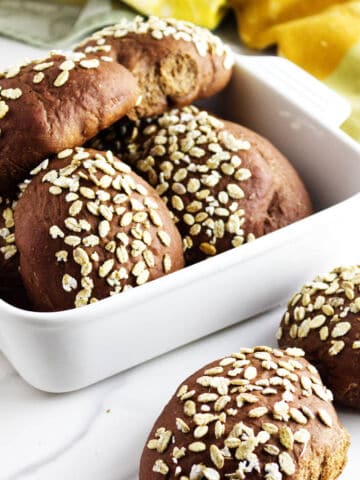
- Cheesecake Factory Brown Bread Rolls
- Bread Machine Cheesecake Factory Brown Bread
Frequently Asked Questions
Yes. Use the same amount and mix it directly with the dry ingredients. You do not need to proof it first.
After mixing it with warm milk and sugar, the yeast should form a foamy layer within 5 to 10 minutes. If it does not, the yeast is no longer active.
Let the dough rise in a warm, draft-free spot until doubled in size. A slightly warm oven that is turned off or a sunny area works well.
The tops should be a deep golden brown. The rolls should also feel light and sound slightly hollow when tapped.
Yes. Shape the rolls, cover, and refrigerate overnight. Let them come to room temperature and finish rising before baking.
Side Dish Recipes

Get The Recipe!

Texas Roadhouse Rolls Recipe
Equipment
- Large Rimmed Cookie sheet with cooling racks
- Parchment Paper Sheets
Ingredients
- 1¼ cups milk about 105-110 ℉
- ⅓ cup sugar
- 2¼ teaspoons active dry yeast or instant yeast
- 4 tablespoons butter melted
- 1 large egg room temperature
- 1½ teaspoons salt
- 4 cups bread flour divided in half
- additional bread flour for kneading
After Baking
- 3 tablespoon butter to smear on top of hot rolls
Instructions
- Add the warm milk and sugar to a small bowl and sprinkle yeast over it. Let it sit for 5 to 10 minutes until foamy.1¼ cups milk, ⅓ cup sugar, 2¼ teaspoons active dry yeast
- Using a large mixing bowl, add the yeast mixture, the melted butter, egg, salt, and half the flour.4 tablespoons butter, 1 large egg, 1½ teaspoons salt, 2 cups bread flour
- Mix until the batter is smooth and lump free, scraping the sides of the bowl.
- Add the remaining flour until a soft dough forms. You may not need the full amount. The dough will be slightly sticky.2 cups bread flour
- Smear oil in a large bowl. Add the ball of dough, turning it so it is covered in oil.
- Cover the bowl with a towel or shower cap and let the dough rise in a warm place until doubled, about 45 to 90 minutes.
- Punch the dough down and turn out onto a lightly floured surface. Knead a few times to make smooth and elastic. (About 4 - 6 kneads is all you need to do).additional bread flour
- Prepare the baking sheets with parchment paper or spray with non-stick cooking spray.
- Using a rolling pin or your hands, shape the dough into a 12 x 9 inch rectangle.
- Using a bench scraper or knife, cut the dough into 15 portions by making 3 cuts lengthwise and 5 cuts crosswise.
- Transfer the rolls to prepared baking sheets. Cover and let rise until nearly doubled, 45 to 60 minutes. Preheat the oven to 350°F during the last 10 minutes.
- Preheat your oven to 350℉ about 10 minutes before the end of this second proofing.
- Place both trays on the middle rack of the oven and bake for 13 to 15 minutes, or until golden brown.
- Remove from the oven and rub the butter (I use a tablespoon) over the rolls while they are still hot.3 tablespoon butter
Notes
- Proper Yeast Activation: Ensure your liquid (milk or water) is at the correct temperature (105-115°F or 40-46°C) for activating the yeast. Too cold and it won't activate; too hot and it can kill it. Look for a foamy layer to confirm activation before proceeding.
- Don't Over-Flour: Add flour gradually and mix until the dough just comes together. A slightly sticky dough is often a sign of a well-hydrated dough, which will result in softer rolls. Avoid the urge to add too much extra flour during kneading.
- Knead for Gluten Development: Kneading is crucial for developing the gluten, which gives the rolls their structure and fluffiness. Knead until the dough is smooth and elastic. You should be able to gently stretch a small piece without it tearing easily (the "windowpane test").
- Warm, Draft-Free Rising Environment: For optimal rising, place your dough in a warm, draft-free spot. A slightly warmed oven (turned off!) or a sunny spot can work wonders. Proper rising time is key for that light, airy texture.
- Bake Until Golden Brown: Don't pull the rolls out too early. They should be a deep golden brown on top, which indicates they're fully cooked through and have developed a delicious crust. An instant-read thermometer should read around 190-200°F (88-93°C) in the center.
Nutrition
Pin It For Later ⤵
Kelly Bloom says
I LOVE making bread, which is why I have a bread blog at https://IKneadBread.com, and these fluffy dinner rolls are one of my holiday favorites to make and take to our family gatherings. Simple to make, but bursting with flavor.