


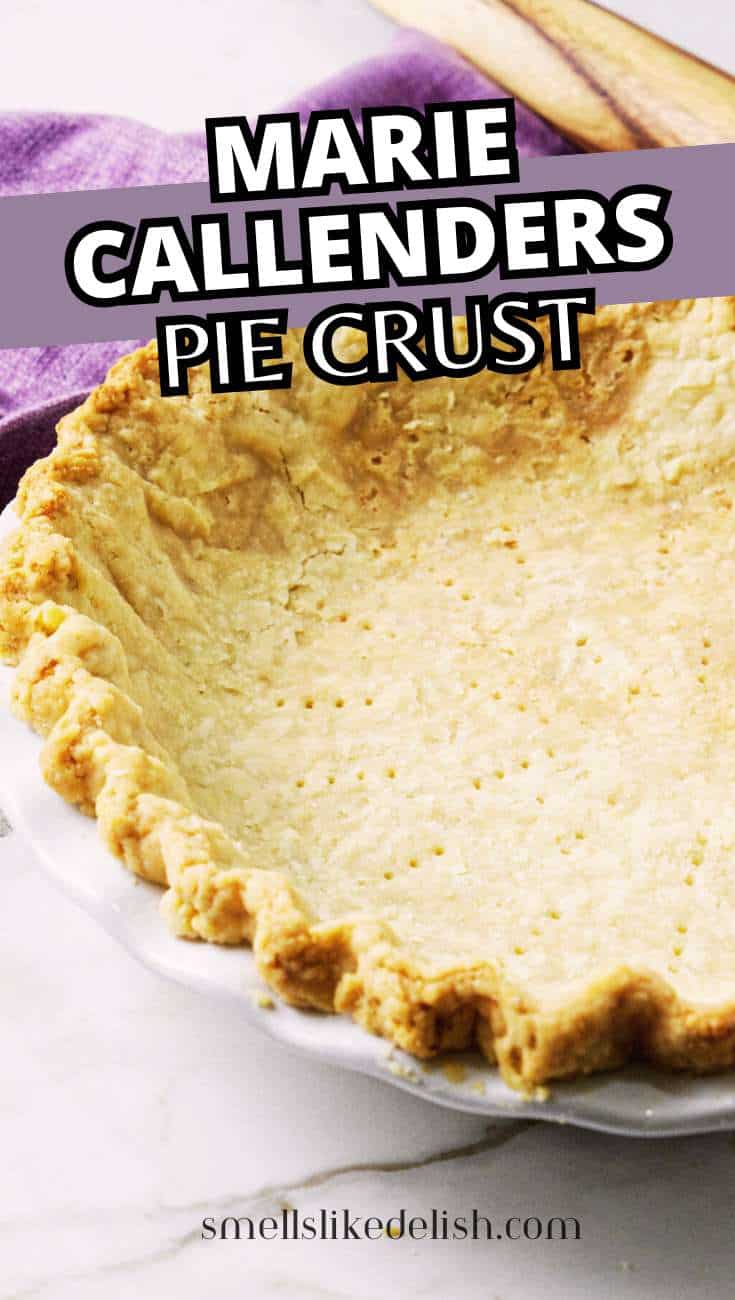
This copycat Marie Callender's Pie Crust is tender, exceptionally flaky, and easy to roll without tearing. Made with vegetable shortening, it bakes up beautifully golden and works equally well for sweet or savory pies.
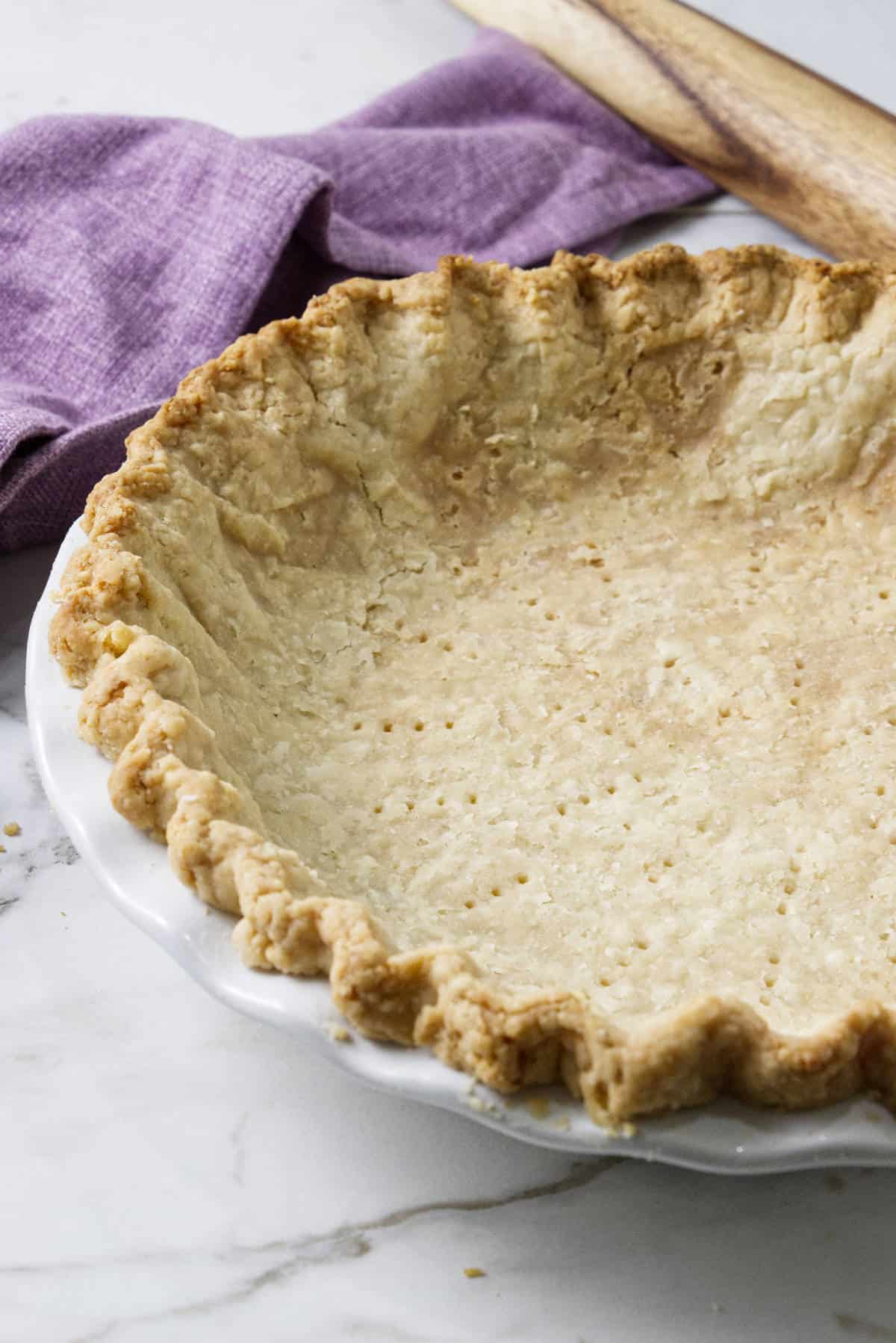
Why You'll Love This Copycat Marie Callender Pie Crust Recipe
This shortening based pie crust recipe is Marie Callender's secret to an incredibly flaky and tender crust, every time. It's also naturally vegan, making it a versatile option for various dietary needs.
This pie crust creates a perfect foundation for both sweet and savory pies, guaranteeing delicious results.
- Flaky Perfection: It aims to replicate that signature tender, buttery, and incredibly flaky texture that melts in your mouth, making every bite of pie a delight.
- Easy to Work With: Many copycat recipes focus on creating a dough that's pliable and easy to roll out without cracking, reducing stress in the kitchen.
- Reliably Delicious: You can count on consistent, great-tasting results, providing a dependable foundation for all your favorite sweet and savory pies.
Ingredients Overview
This pie crust recipe requires just a few pantry staples: flour, salt, and sugar for the dry ingredients. The secret to its signature tenderness and flakiness lies in using vegetable shortening (instead of butter or lard), combined with ice water, to create a perfect, easy-to-work-with dough.
Full ingredient amounts and preparation instructions are in the printable recipe card at the bottom of this post.
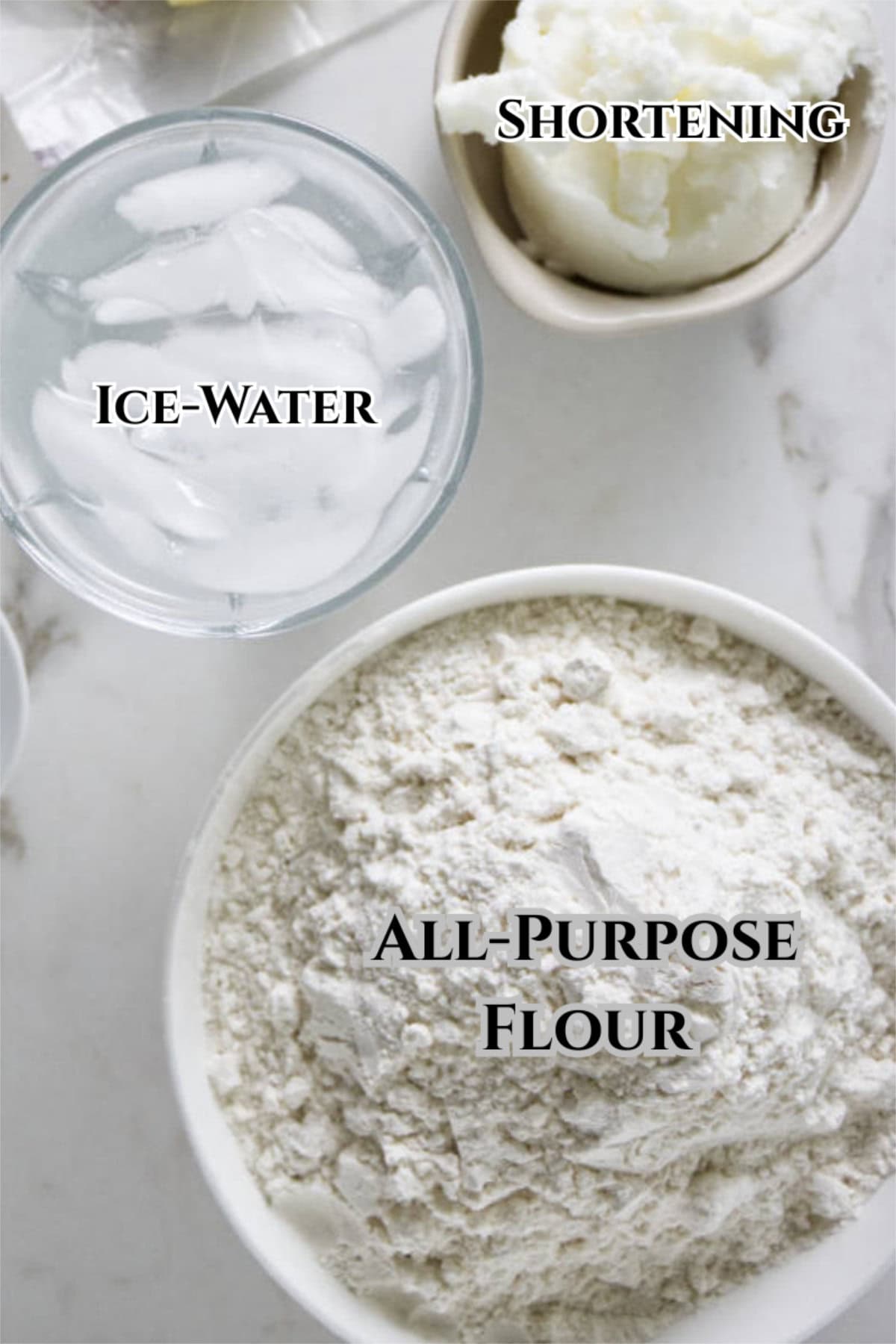
How To Make This Marie Callender Pie Crust Recipe
The best trick I know for flaky pie shells is to freeze the shortening and then grate it. And, always use ice water when adding the water. Make sure to keep your water ice cold by floating a handful of ice cubes in it while cutting in the shortening into the flour.
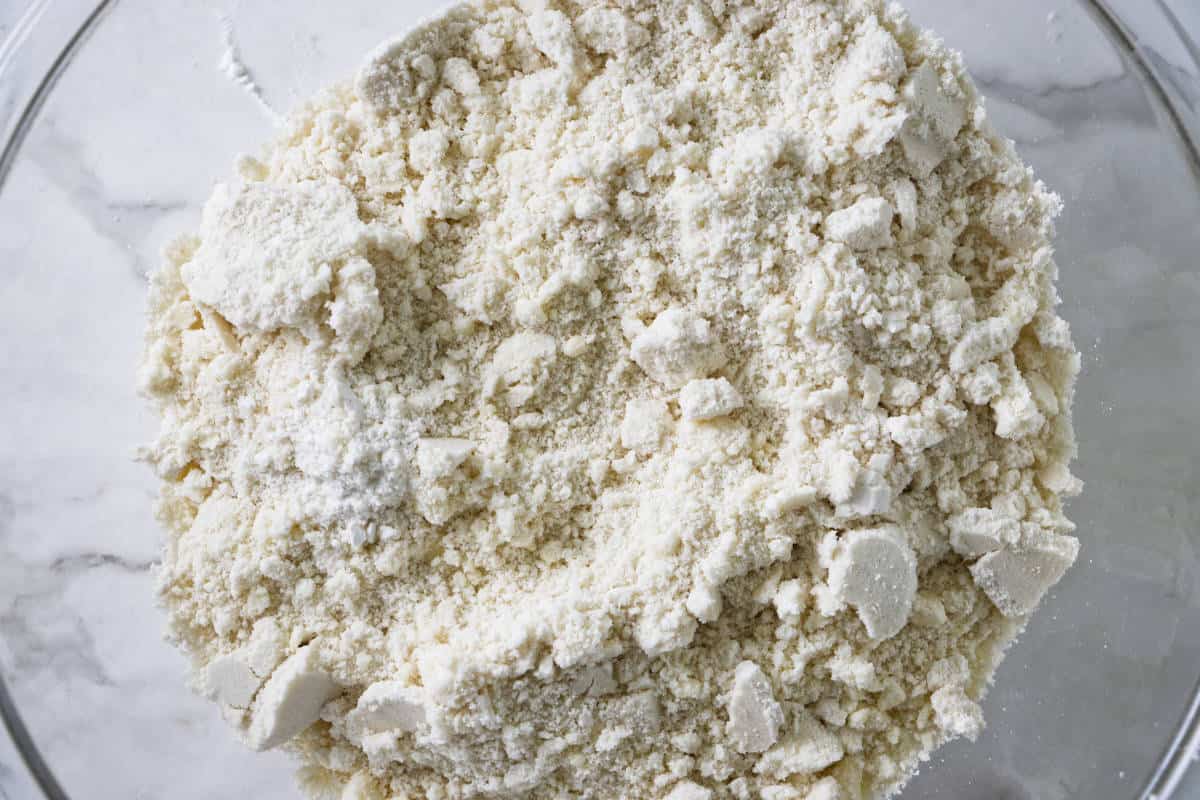
Step 1: Mix the flour with the sugar and salt. Use a large mixing bowl, as you need room to cut in the shortening.
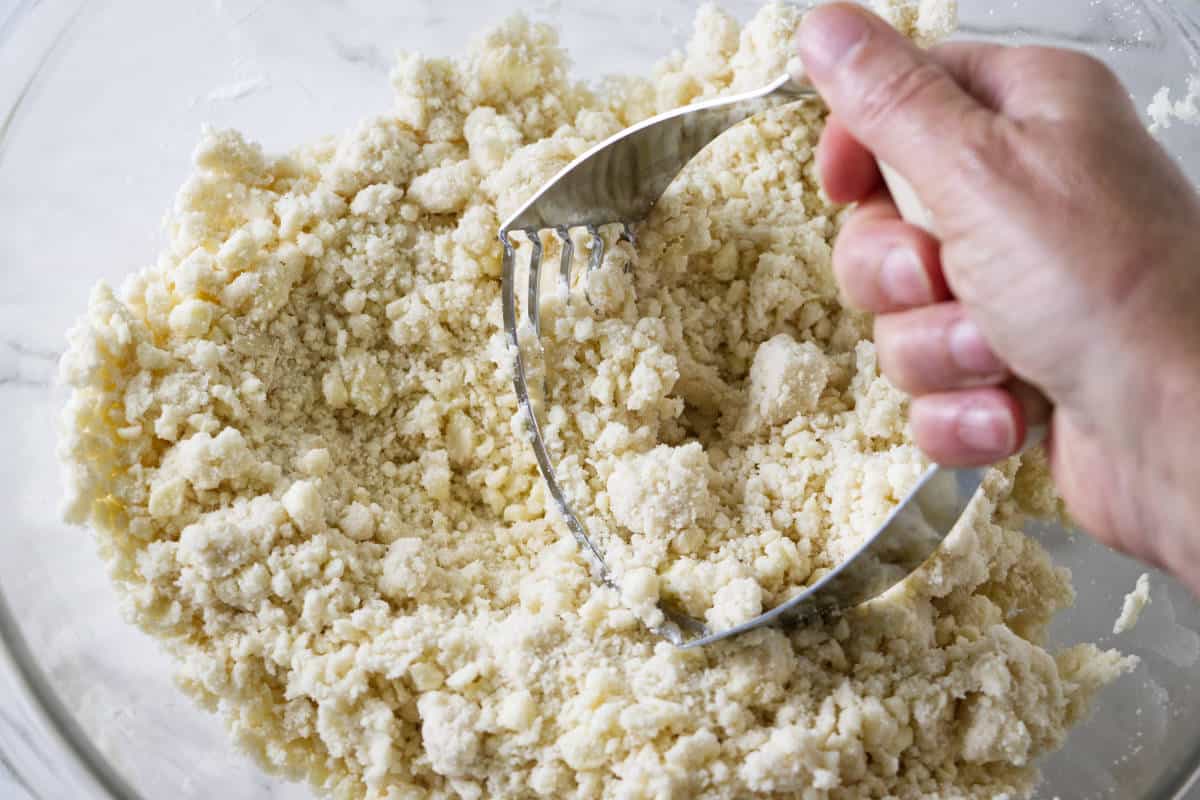
Step 2: Cut in the vegetable shortening until you get pea size bits throughout the mixture.
Step 3: Add ice water in 1 to 2 tablespoon increments, tossing with each addition until mixture just holds together when scrunched in your hand.
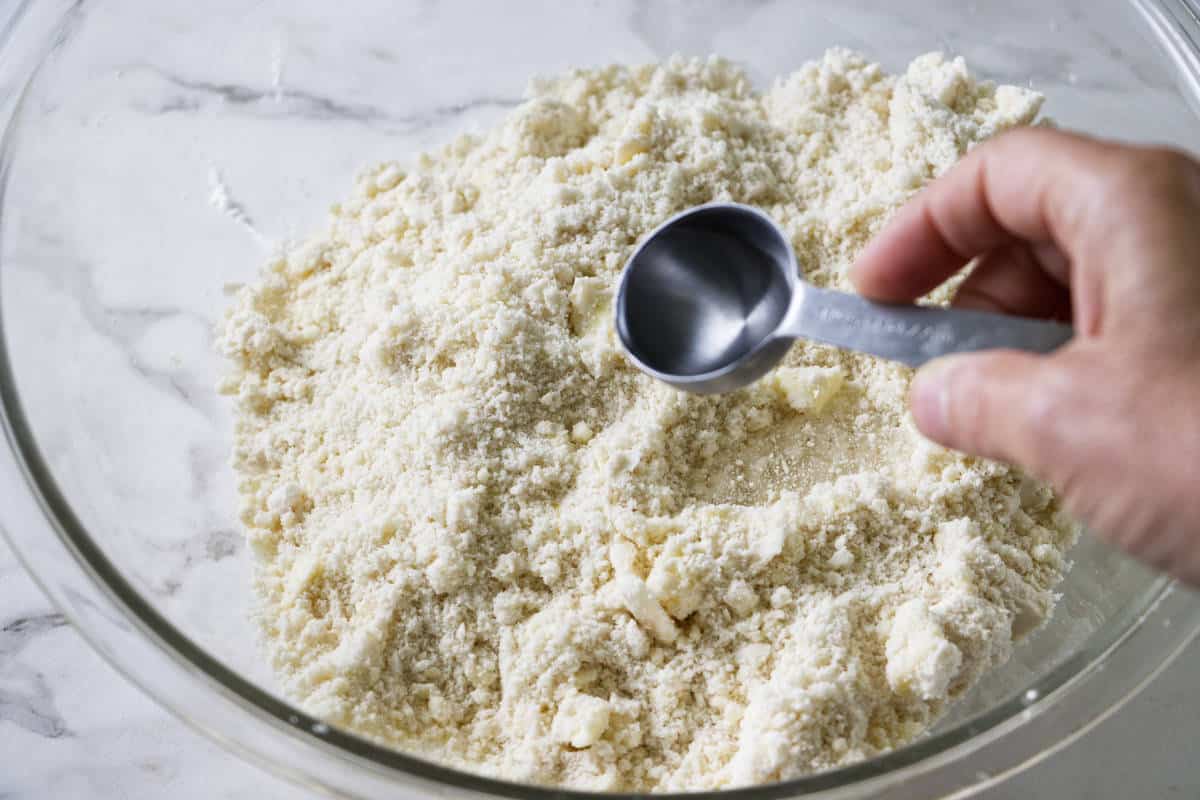
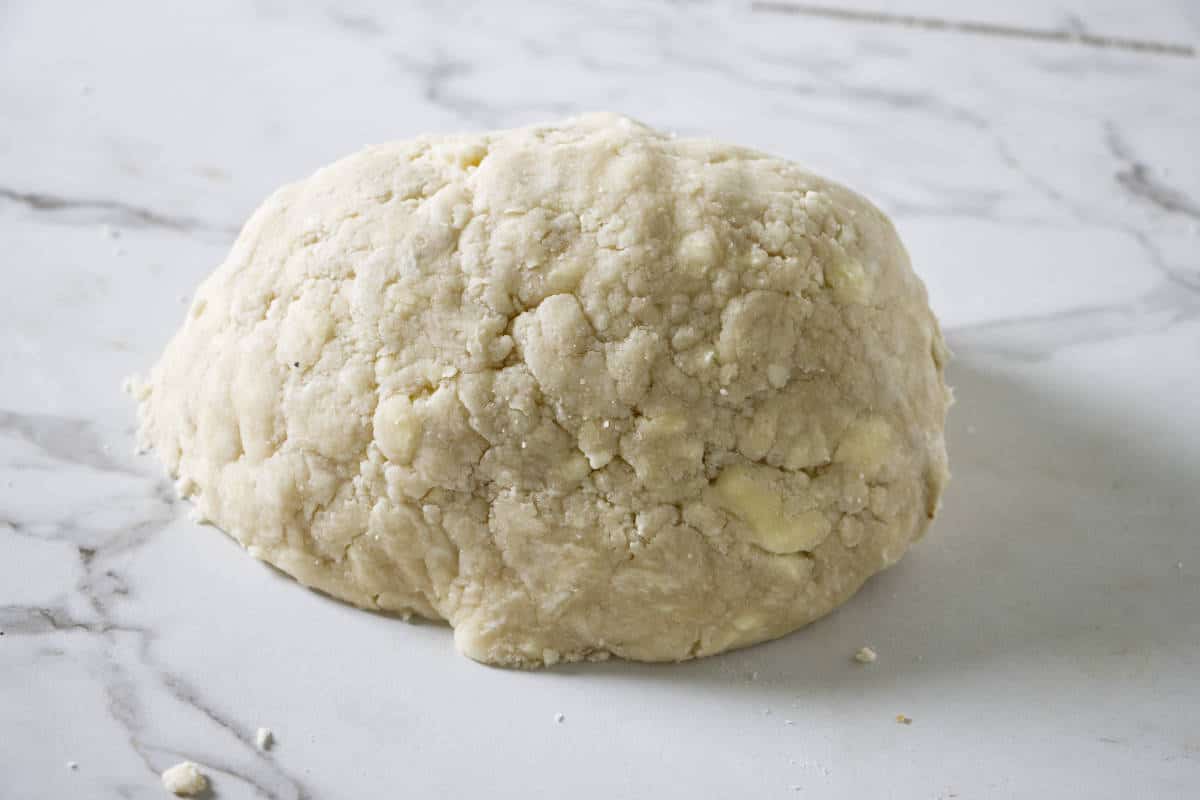
Step 4: Tip the bowl of pie crust mixture out on a clean counter or pie mat. Pull the rough, shaggy dough together using your hands, into a ball.
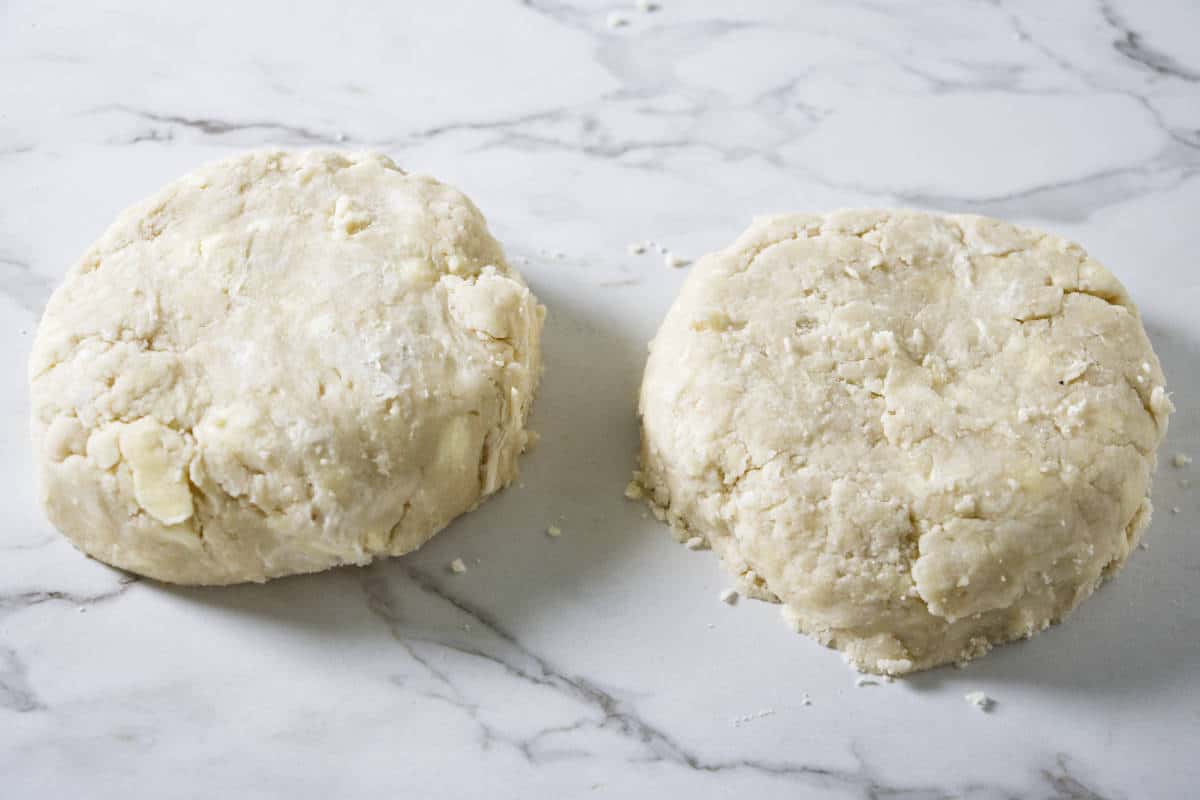
Step 5: Split the ball of dough in half, and form two thick discs, each about 6" in diameter. Wrap in plastic and chill for 30 minutes.
Pro Tip
Be sure to lightly flour the rolling pin, and roll the pie crust out 2" larger than the pie plate.
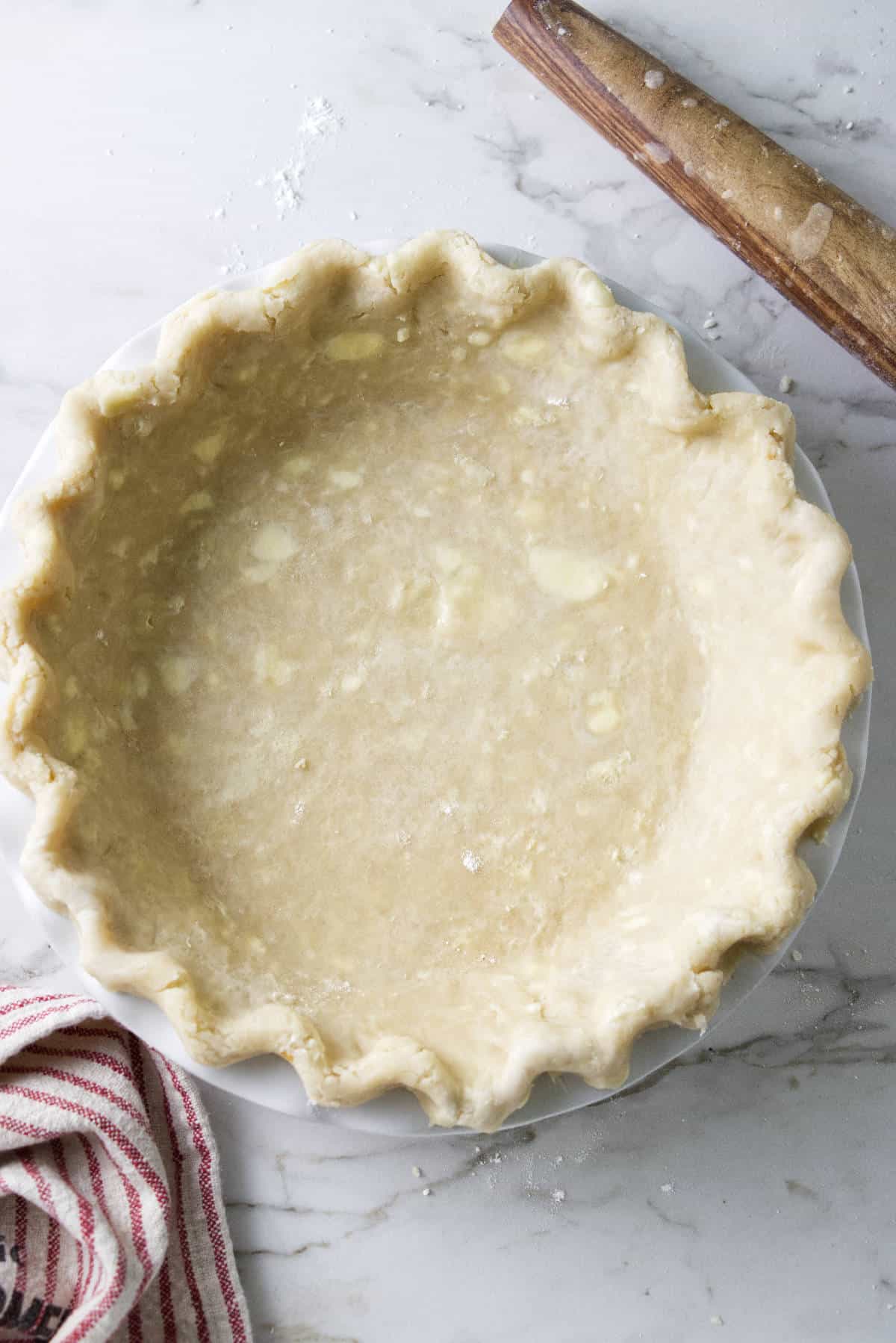
Step 6: Roll out one of the chilled discs on a lightly floured counter or pastry mat.Roll up with your rolling pin and center on the pie plate. Trim excess and crimp the edges around the pie plate.
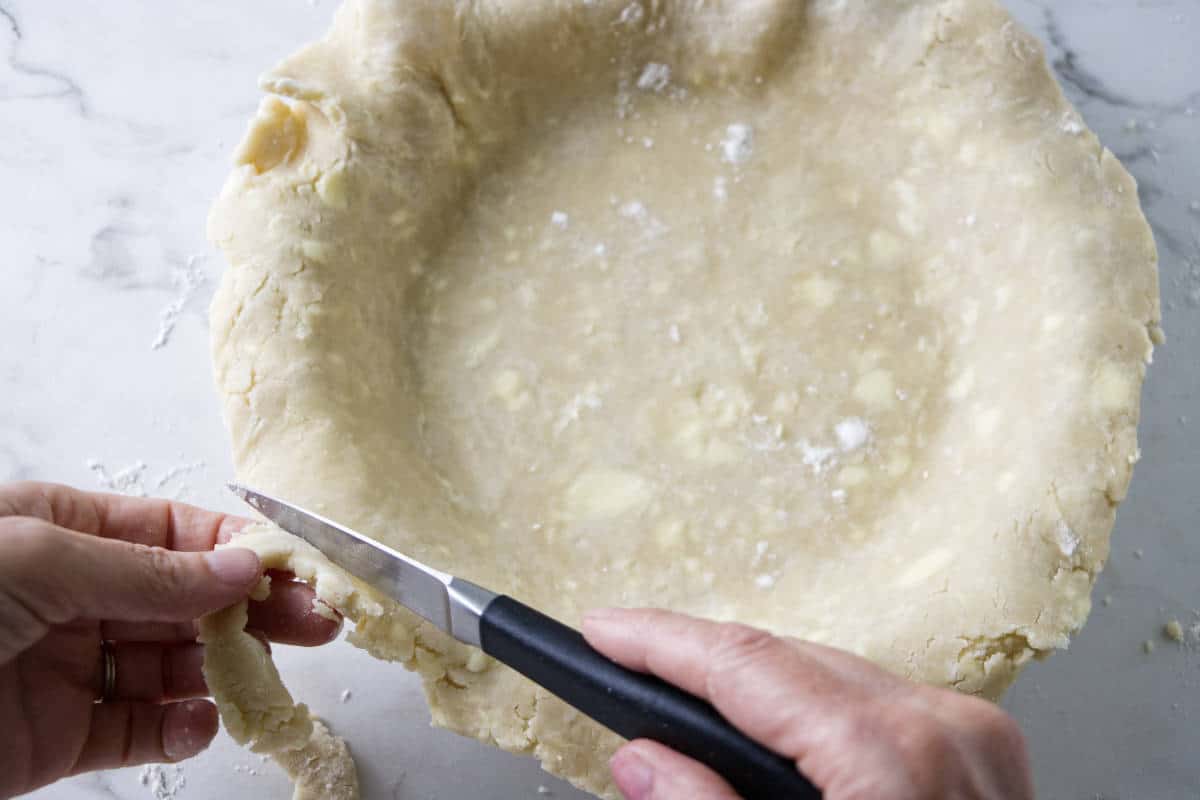
Step 7: Fill your pie shells with pie filling and bake your pie for fillings like fruit, meat and quiche. For cream based pies, you will first need to blind bake the pie shells.
Serving Suggestions
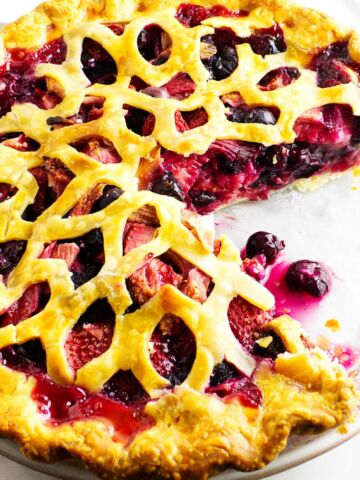
Beyond traditional fruit pies, consider using it for a hearty chicken pot pie, a Blueberry Strawberry Pie, or a savory, Southern tomato pie. Just like the original, it is considered vegan as well.
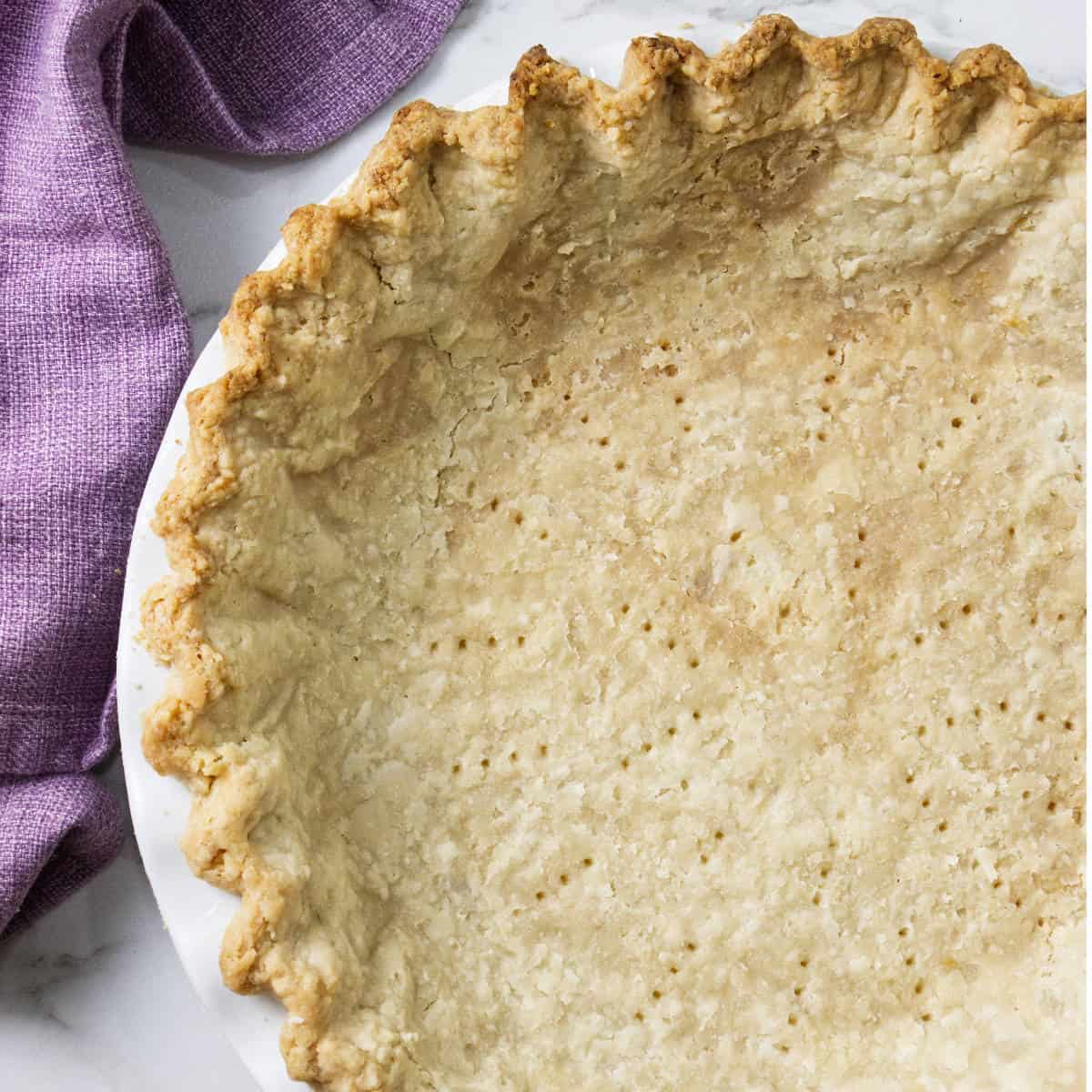
How To Blind Bake A Pie Crust
You'll only need to blind bake certain pies, and in certain instances.
- Why, and what is blind baking? A blind bake is simply partially baking the pie shells before adding the filling. Once the pie shells are cooled you add the cream filling and bake the pie, or for no bake pies, refrigerate it.
- Why do we blind bake for a custard or cream pie? Because the bottom crust sometimes gets soggy from the custard before it has a chance to actually cook.
To blind bake a pie crust you will:
- Line the pie pan fitted with the crimped crust with either aluminum foil or parchment paper. Wax paper will do in a pinch.
- Pour the dry beans onto the parchment or aluminum foil covered pie crust. Bake it in the oven at 400°F. Remove the pie pan and lift off the aluminum foil or parchment paper, with the beans. Save the beans, you can use them again.
- Put the pie shells back in the oven to brown for another 8 minutes. To prevent the crimped edges from getting too brown, you can use a silicone pie crust shield. Let the crust cool.
- After it has cooled it is ready for a no bake pie filling or a custard filling that requires baking.
Substitutions and Variations
Here are a few delicious variations or substitutions when making this recipe.
- Gluten-Free Flour: For a gluten-free option, you can substitute a 1:1 gluten-free baking flour blend. You might need to adjust the amount of ice water slightly, as gluten-free flours can absorb liquid differently.
- Sweetness Level: While a little sugar is usually in pie crust, you can omit it entirely for savory pies like quiches or pot pies. For sweeter dessert crusts, a little extra sugar won't hurt.
- Flavor Infusions: For a unique twist, you can add a pinch of cinnamon or nutmeg to the dry ingredients for a dessert crust, or a dash of garlic powder or dried herbs (like rosemary or thyme) for a savory crust.
Tips for Success
Here are a few tips for making this recipe:
- Keep Ingredients Cold: This is crucial for flaky crusts! Ensure your vegetable shortening and ice water are very cold. You can even chill your flour and mixing bowl for 15-20 minutes before starting.
- Don't Overwork the Dough: Mix the dough just until it comes together. Overworking develops gluten, leading to a tough crust instead of a tender, flaky one. You should still see small bits of shortening throughout the dough.
- Use Ice Water Gradually: Add the ice water one tablespoon at a time, mixing until the dough barely comes together. You might not need all of it, or you might need a tiny bit more; stop as soon as it's cohesive.
- Chill the Dough: After forming the dough into a disc, wrap it tightly and chill it in the refrigerator for at least 30 minutes (or up to 2 days). This allows the gluten to relax and the shortening to firm up, making the dough easier to roll.
- Roll Evenly: When rolling out the dough, apply even pressure and rotate the dough frequently to prevent sticking and ensure a uniform thickness. This helps the crust bake evenly.
Storage Options
Some recommended storage options for this recipe are:
- Refrigeration (Unbaked): Unbaked pie dough can be wrapped tightly in plastic wrap and stored in the refrigerator for up to 2-3 days.
- Freezing (Unbaked): Wrap the unbaked dough disc tightly in plastic wrap, then place it in a freezer-safe bag. It can be frozen for up to 3 months. Thaw overnight in the refrigerator before rolling out.
Related Recipes
Frequently Asked Questions
There are two times when blind baking is necessary: when making a custard pie or when the pie filling is unbaked. With a custard pies, like a pumpkin pies, the moisture in the filling can make the crust soggy before it has time to actually bake.
The dough should be ⅛" thick and 2" wider than the pie plate.
To prevent shrinkage, or slopping down into the pie plate while blind baking, be sure to use enough pie weights. This will prevent the pie crust from shrinking.
It's not necessary to grease and flour a pie pan. If you grease a pie pan, you can end up with a texture you don't want. For a flaky and tender pie crust, do not grease the pan.
Fats contribute to the flakiness and tenderness of pastry by being layered in between sheets of thin dough. It can also be cut in or rubbed into the flour as pea-sized shapes before the final dough is made. The fat melts during baking, leaving air spaces.
Easy Dessert Recipes

Get The Recipe!
Marie Callender's Pie Crust Recipe
Equipment
- Rolling Pin
- pastry mat
- pastry blender
- Pie Weights
- Pie Crust Shield
Ingredients
- 3¼ cups flour
- 1 tablespoon sugar
- 1¼ teaspoon salt
- 9 oz vegetable shortening chilled
- ½ cup ice water
Instructions
Make the Pie Dough
- Combine the flour, sugar, and salt in a mixing bowl.3¼ cups flour, 1 tablespoon sugar, 1¼ teaspoon salt
- Add the chilled shortening. Use a pastry blender or fork to cut the shortening into the flour mixture. Cut in until you have pea sized lumps throughout.9 oz vegetable shortening
- Sprinkle the ice water into the mixture in 1 to 2 tablespoon increments at a time, tossing with a fork after each addition of water. Add ice water until the flour mixture is moistened but still looks crumbly. You will know you have enough water added when you can squeeze the flour in your hand and it clumps together.½ cup ice water
- Transfer the pie crust mixture to a cutting board, parchment paper, or pastry mat. Using both hands, pull all the loose bits together and form a large ball.
- Divide the ball in half, shaping each into a thick disc about 6" diameter. Wrap in plastic wrap and chill for at least 30 minutes.
Rolling the Pie Crust Out
- To roll the pie crust out, use a lightly floured rolling pin and a lightly floured counter, parchment paper, or pastry mat. Roll the pie dough pastry into a circle that is 2" larger than the diameter of your pie dish.
- Roll the pie dough pastry over the rolling pin to transfer it to the pie dish. Center it and trim any excess. Crimp the edges all around the top.
- If you are pre-baking, preheat the oven to 400° F. Prick the surface of the pie crust with a fork and then pop it in the freezer for 20 minutes.
- Remove from the freezer, line with parchment paper and fill with pie weights.
- Bake for 20 minutes, then remove from the oven and lift off the parchment paper and pie weights. Return to the oven for 8 more minutes of cook time, or until golden brown.
- Cool, then fill with your pie filling. Both the unbaked pie crust and the pre baked pie crusts can be frozen and used just like any frozen store bought pie crust.
Notes
- Keep Ingredients Cold: This is crucial for flaky crusts! Ensure your vegetable shortening and ice water are very cold. You can even chill your flour and mixing bowl for 15-20 minutes before starting.
- Don't Overwork the Dough: Mix the dough just until it comes together. Overworking develops gluten, leading to a tough crust instead of a tender, flaky one. You should still see small bits of shortening throughout the dough.
- Use Ice Water Gradually: Add the ice water one tablespoon at a time, mixing until the dough barely comes together. You might not need all of it, or you might need a tiny bit more; stop as soon as it's cohesive.
- Chill the Dough: After forming the dough into a disc, wrap it tightly and chill it in the refrigerator for at least 30 minutes (or up to 2 days). This allows the gluten to relax and the shortening to firm up, making the dough easier to roll.
- Roll Evenly: When rolling out the dough, apply even pressure and rotate the dough frequently to prevent sticking and ensure a uniform thickness. This helps the crust bake evenly.
Nutrition
Pin It For Later ⤵

Joyce says
Kelly, I pretty much much make my pie crust like you do. HOWEVER, I tried your recipe and freezing the Crisco is a game changer. It turned out flakier than my recipe ever has. I will freeze the Crisco from now on. Thanks so much for this recipe!
Kelly Bloom says
Joyce, I am SO glad to hear that you love this method!
Traci says
There are no measurements given for ingredients.
Kelly Bloom says
Hi, I got your note about ingredients missing in the Marie Callenders Pie Crust recipe. They are not missing, as post is only an overview of the actual recipe. All ingredient amounts and more detailed instructions are in the printable recipe card at the bottom of the post: https://smellslikedelish.com/print/10301/