
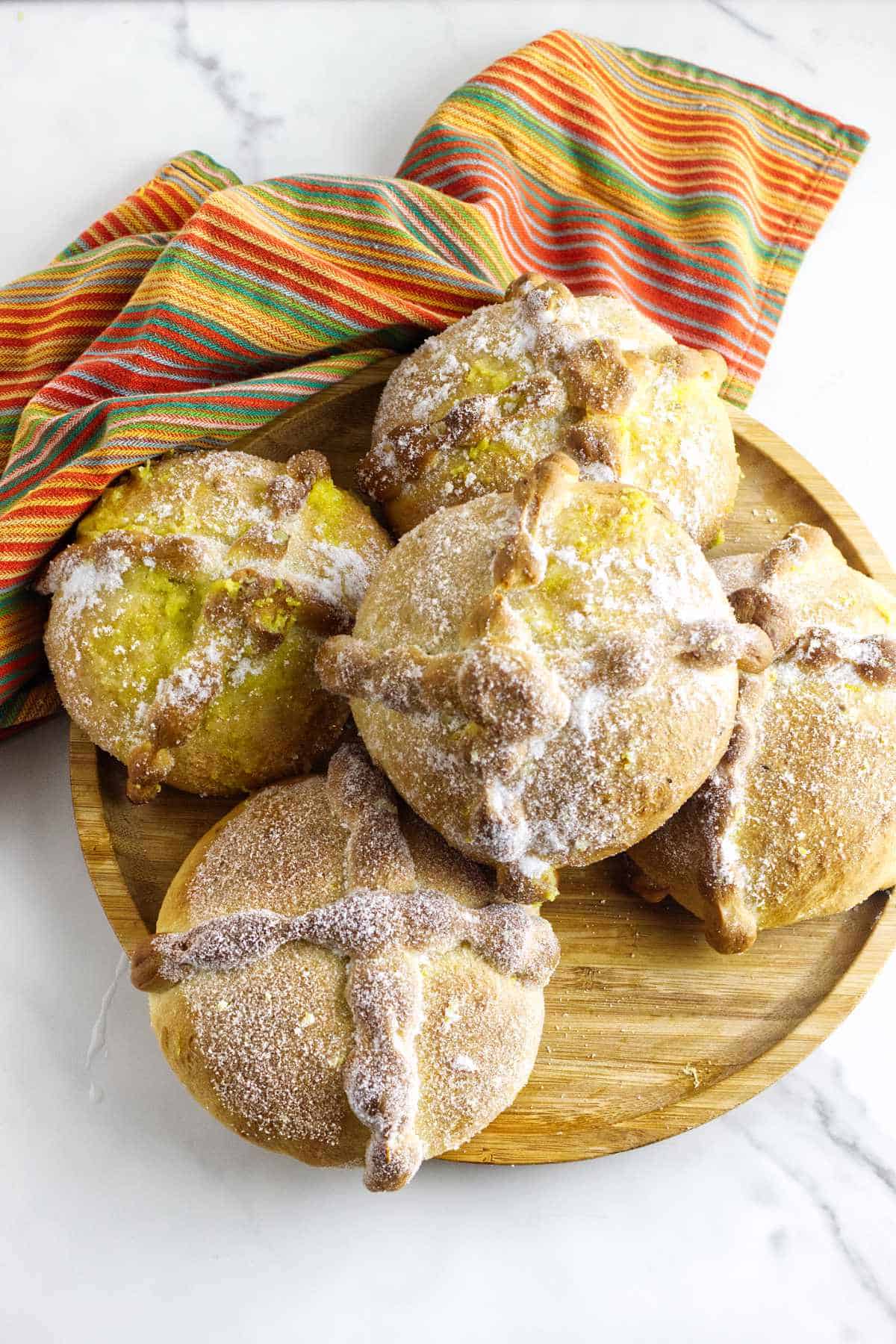
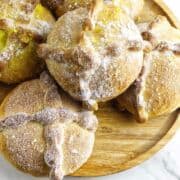
Pan de Muertos, or Day of the Dead Bread, is a traditional Mexican sweet bread is traditionally enjoyed during the fall Day of the Dead (Día de Muertos) celebration, a time to honor and remember loved ones who have passed away.
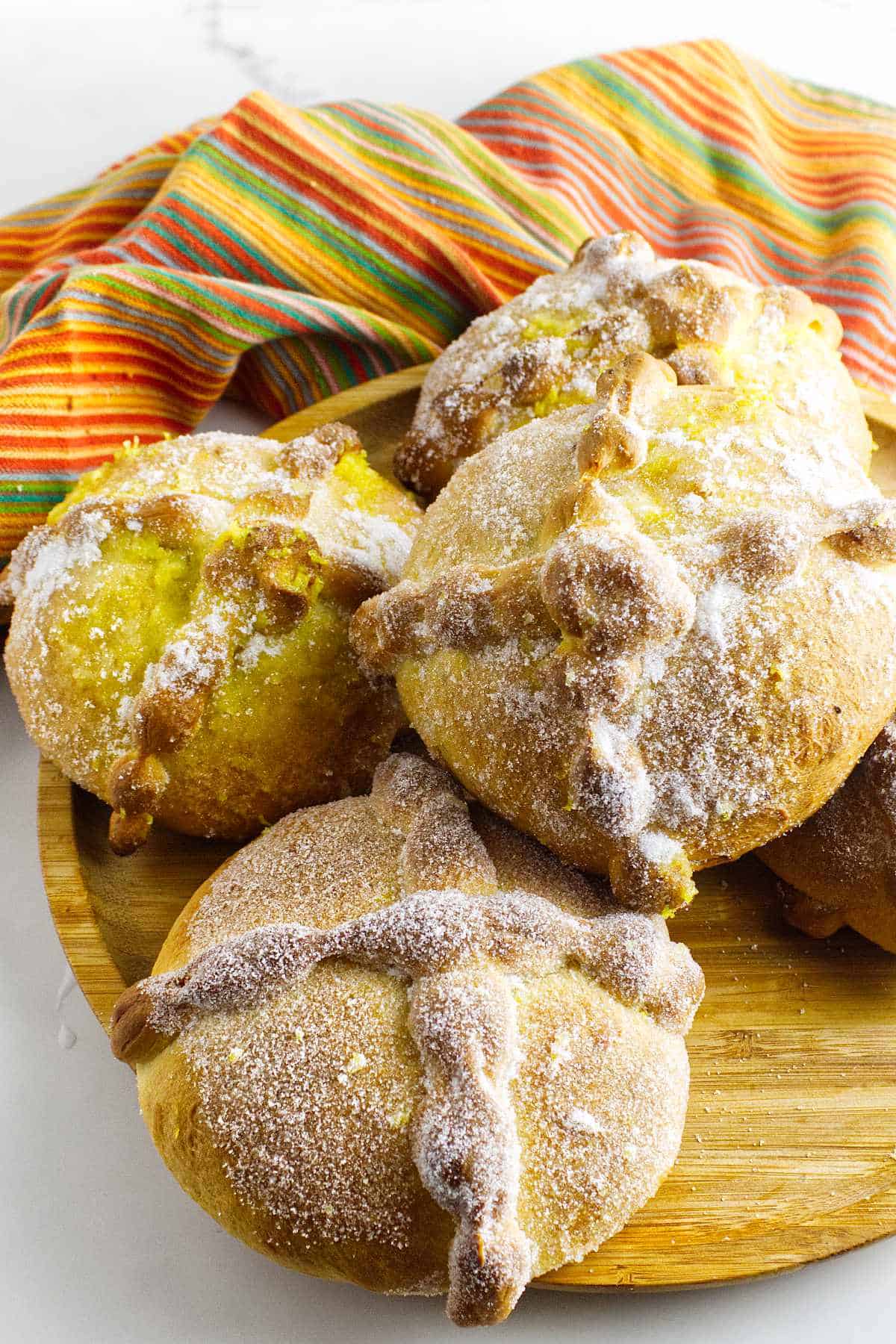
This sweet bread shaped into round buns and decorated with "bone" dough ropes. They have a sweet, subtle anise flavor that is complemented with an orange glaze and dusting of sugar.
Why You'll Love This Pan de Muertos Bread Recipe
This classic Pan de Muertos recipe features a soft, slightly sweet dough, often shaped into a circular loaf and topped with dough shaped bones. It's typically sprinkled with sugar. Flavors are often enhanced with anise seeds, cinnamon, orange zest, and cloves, creating a warm, inviting aroma.
- A Taste of Tradition: It connects you directly to a rich cultural heritage, providing a meaningful way to participate in Day of the Dead celebrations.
- Unique Flavor: The subtle anise and bright orange flavors create a distinct and comforting profile unlike typical sweet breads.
- Beautiful Presentation: Its iconic "bone" decorations and round shape make it a visually appealing and symbolic centerpiece.
Ingredients Overview
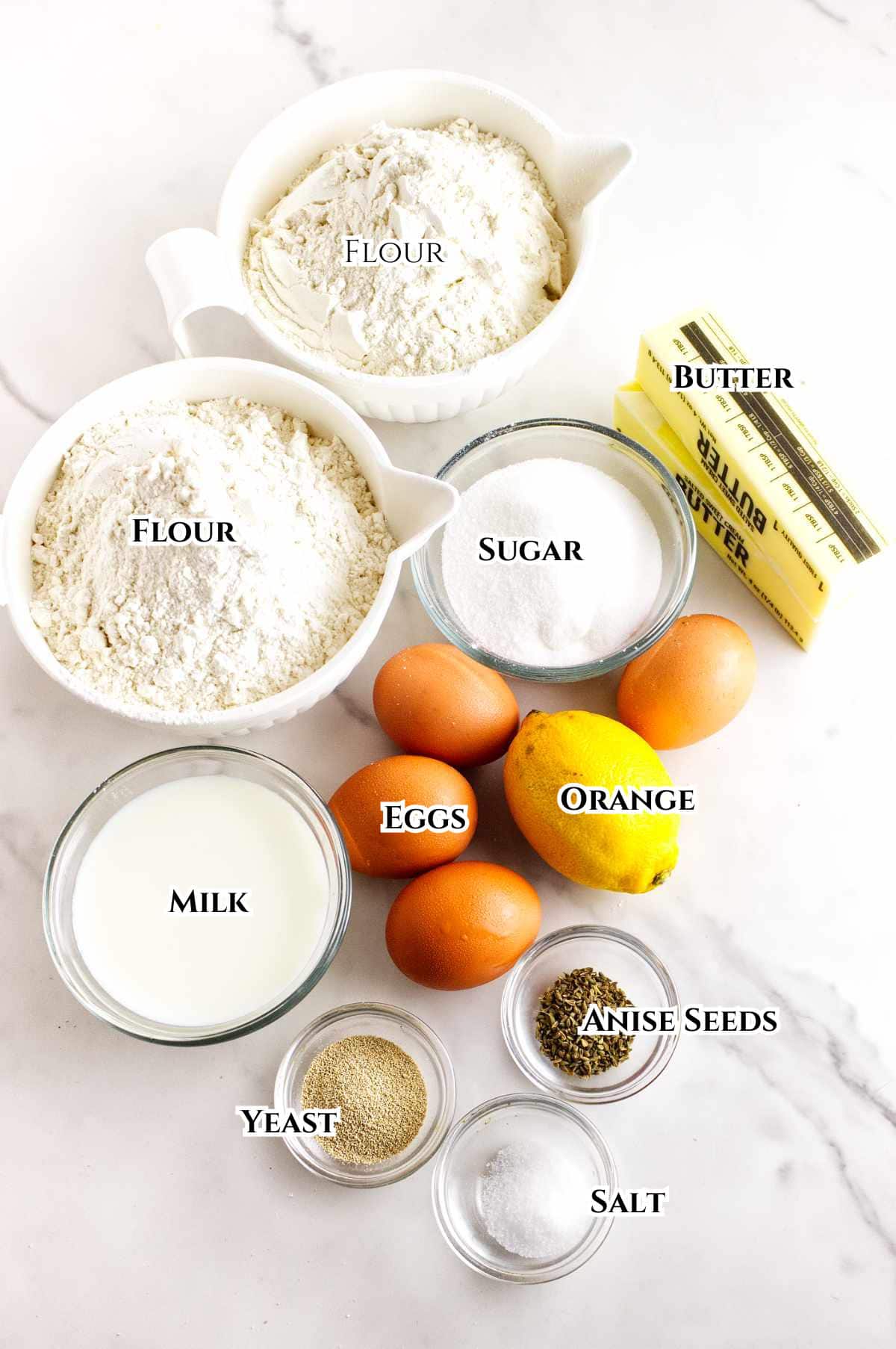
To make this holiday sweet bread, you'll need standard baking ingredients like flour, sugar, butter, eggs, milk, and yeast to make an enriched bread dough. Its distinctive flavor comes from additions of anise seeds and orange zest, creating a sweet and aromatic bread.
Full ingredient amounts and preparation instructions are in the printable recipe card at the bottom of this post.
How To Make Pan de Muertos
Making the enriched dough for Pan de Muerto is similar to preparing brioche or classic Italian panettone, as it relies on eggs, butter, and sugar to create a soft, tender crumb with a rich flavor.
Like other enriched breads, the dough starts sticky and benefits from thorough kneading to properly develop gluten before the butter is fully incorporated.
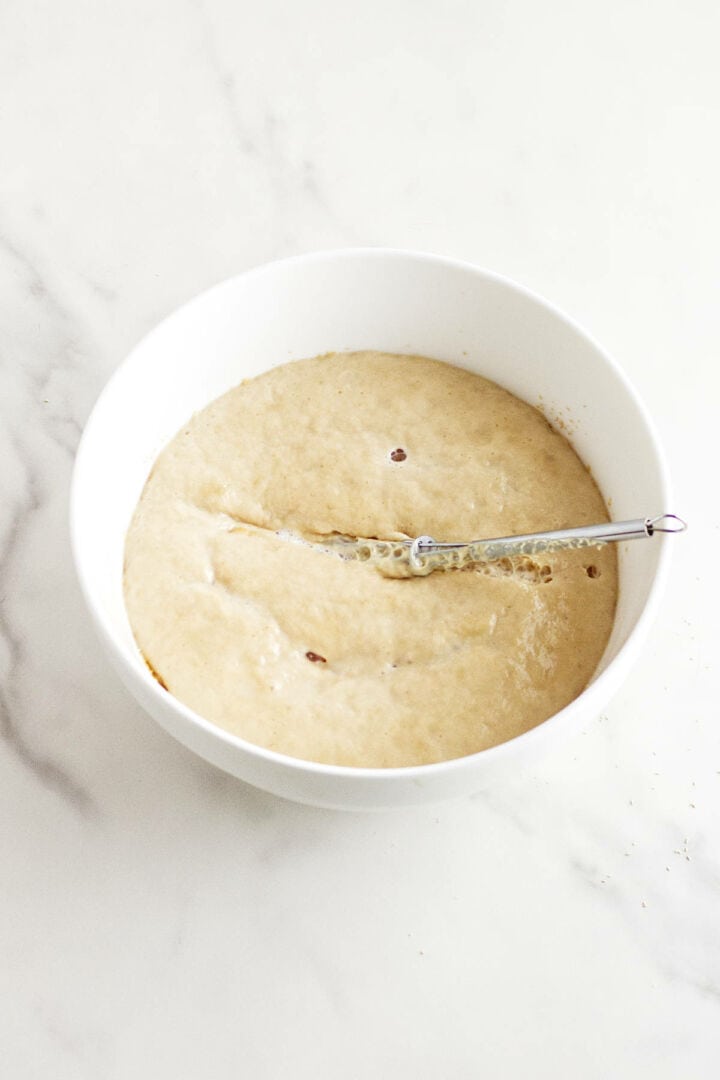
Step 1: In a cup or bowl, heat the milk until it's just warm to the touch, around 110°F-115°F. Stir in the yeast and sugar to combine, then loosely cover with plastic wrap and let it stand for 5 minutes until it gets very foamy.
Step 2: In the bowl of a stand mixer, whisk together the bread flour, salt, and anise seed. Attach the dough hook to the mixer and add the melted butter, eggs, orange zest, and yeast mixture.
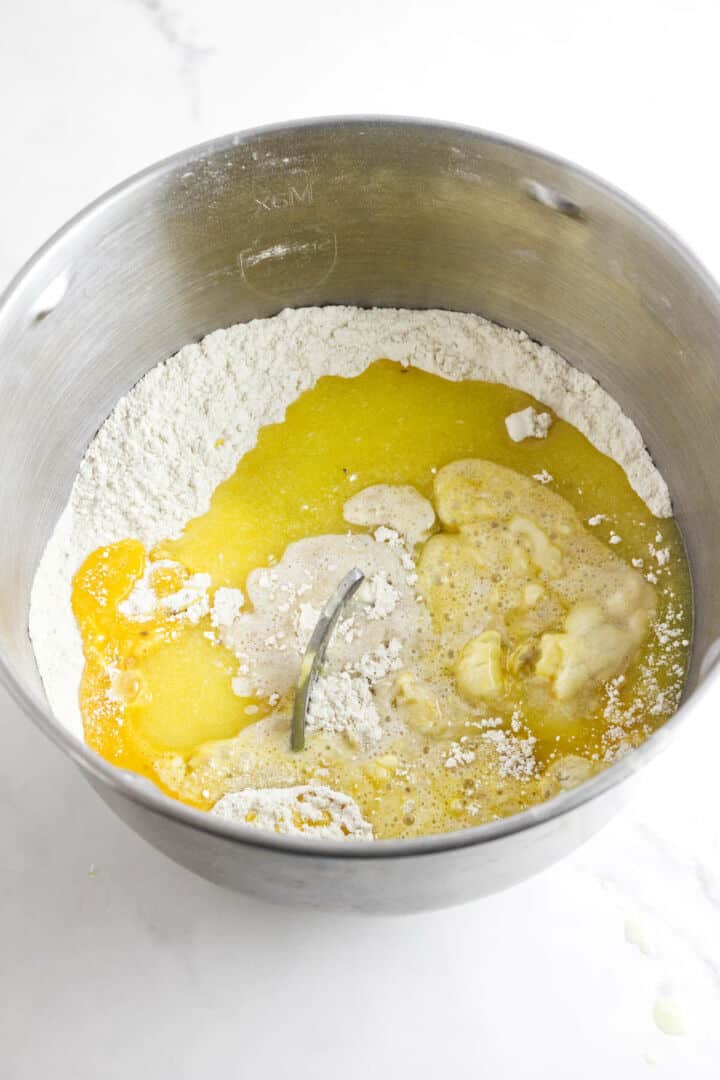
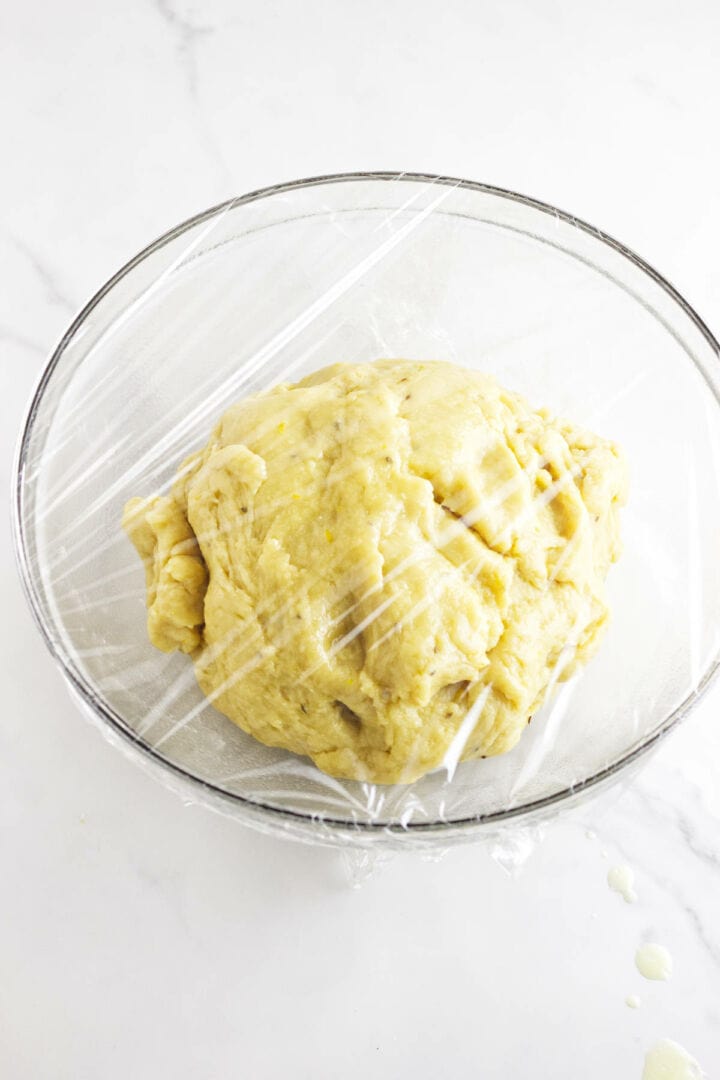
Step 3: Mix on medium-low speed for 6-8 minutes, until the dough becomes smooth and elastic and pulls away from the bowl. Coat a large bowl with oil and transfer the dough to the bowl, shaping it into a ball. Cover it with a kitchen towel and let it rise for 2 hours until doubled in size.
Step 4: Divide the dough into six equal sized portions. Then, to make the bone-shaped decorations for each loaf, tear a small piece of dough off of each of the 6 dough dough balls. Roll each into a small ball and set aside.
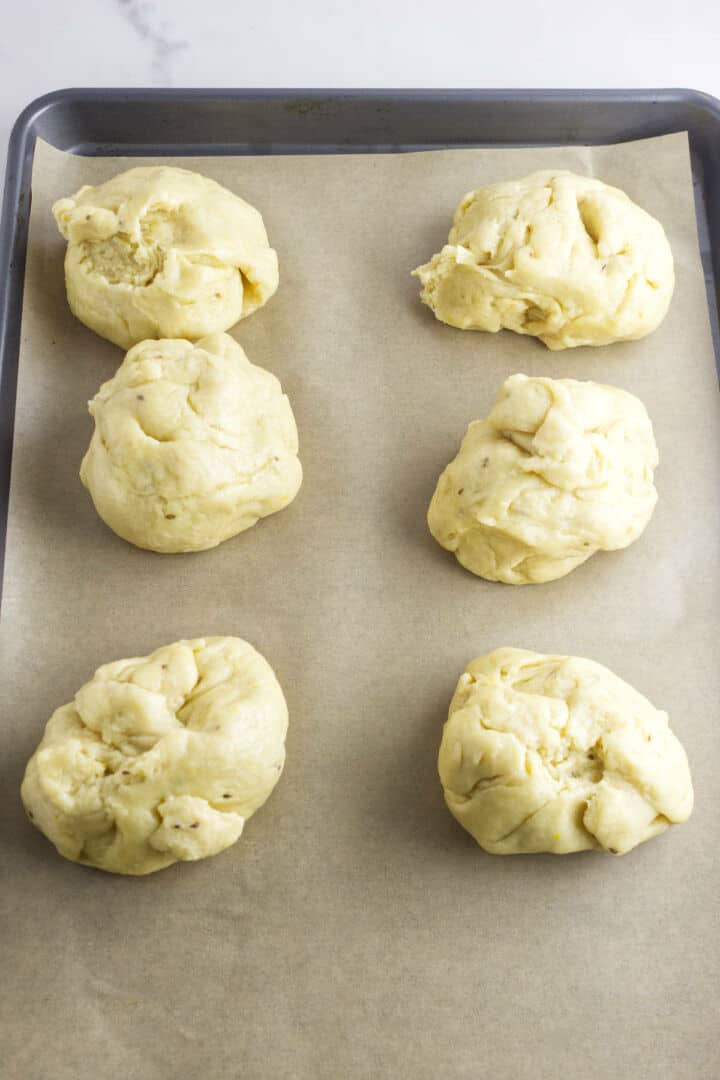
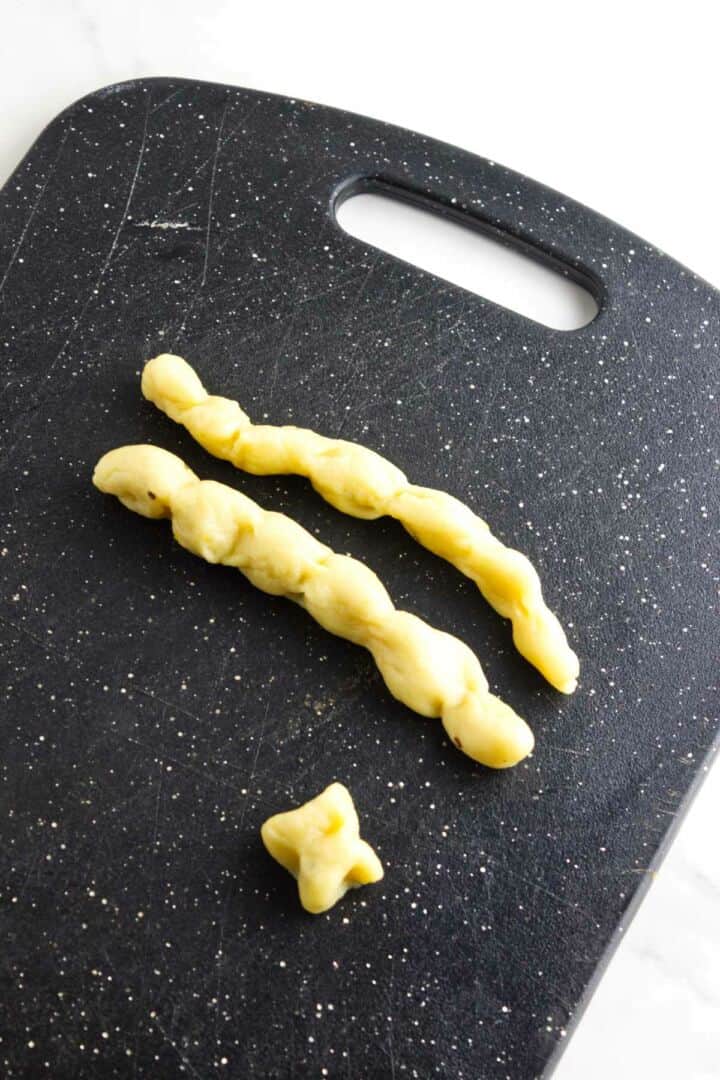
Step 5: Pinch another piece of dough off each loaf and divide in half. Roll each into ropes about 7 inches long. Pinch the dough in intervals to make the 'bone' indentations.
Step 6: Drape the two pinched ropes over each of the loaves in a cross shape. Add the small ball at the top. Dampening them first before draping them will help them stick in place during baking.
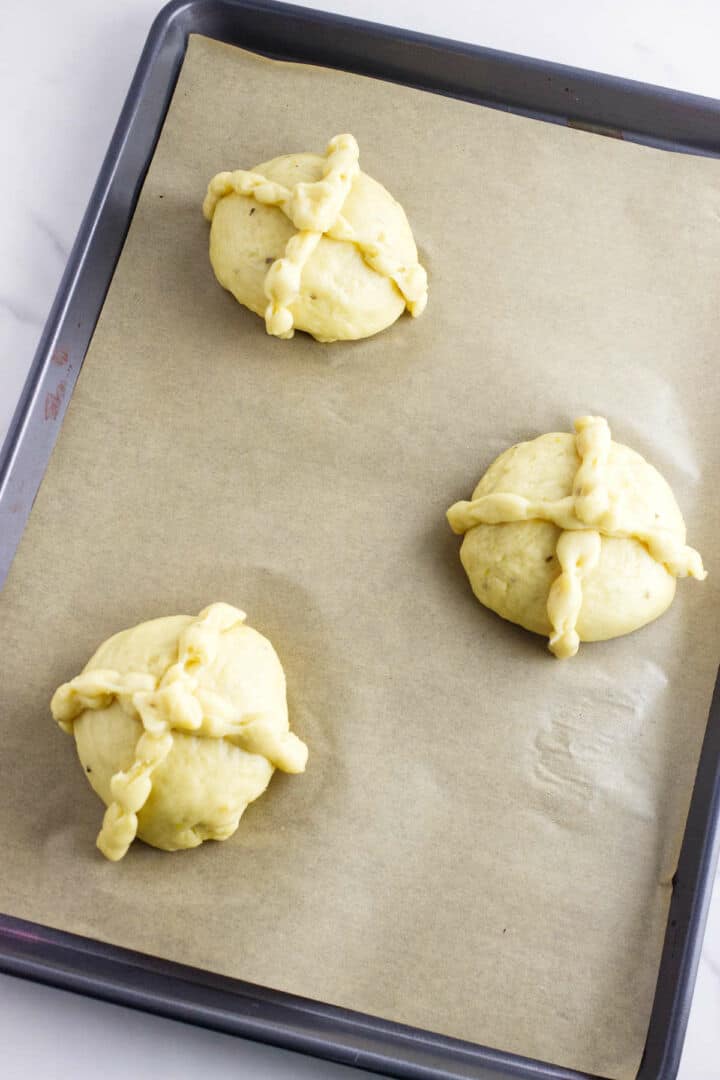
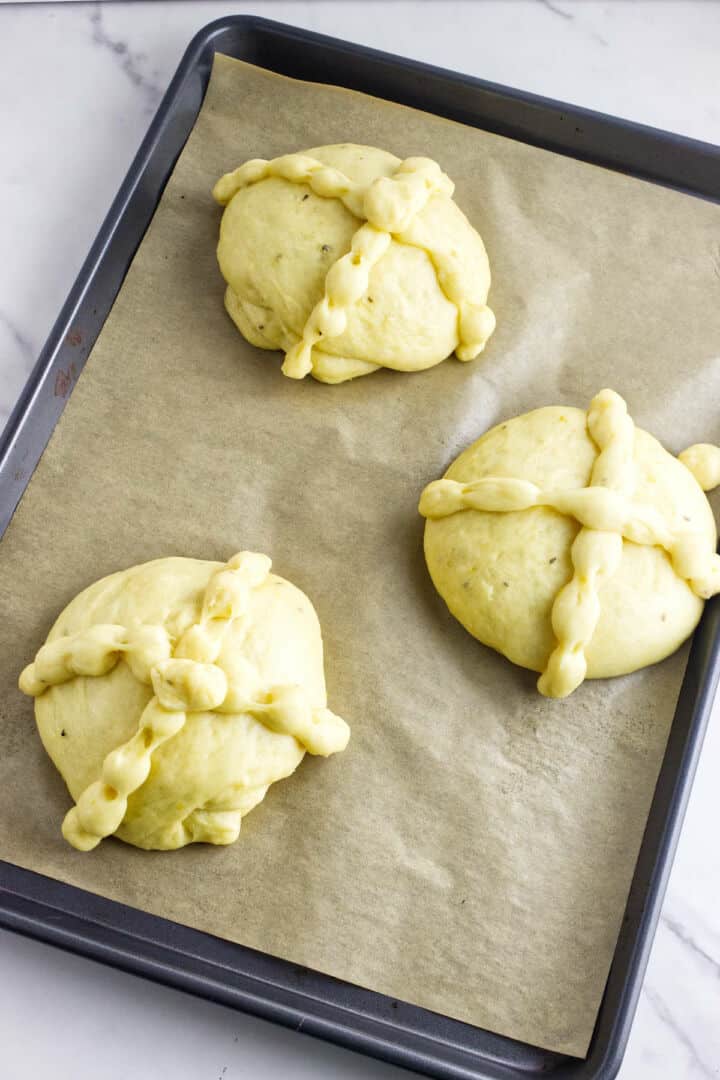
Step 7: Lightly cover with a kitchen towel and let it rise for another 1 ½ hours, or until doubled in size. Preheat your oven to 350°F 15 minutes before the end of the second proofing.
Step 8: Bake for 35-40 minutes, or until the tops are golden brown and the bread is fully cooked through. Allow to cool for 30 minutes.
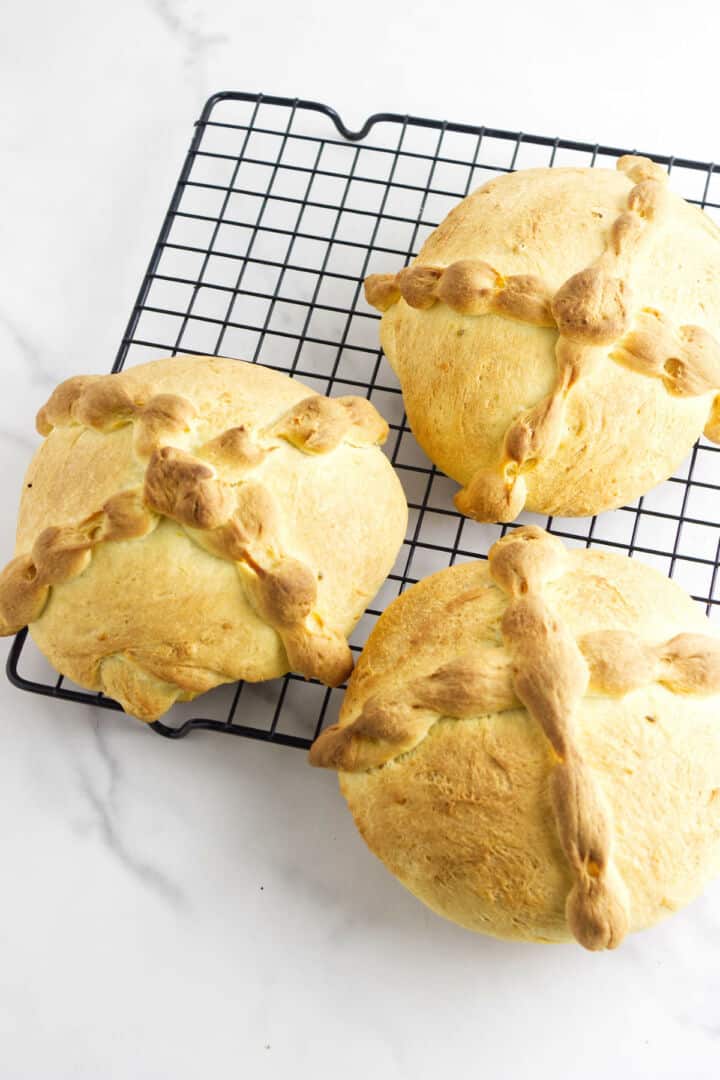
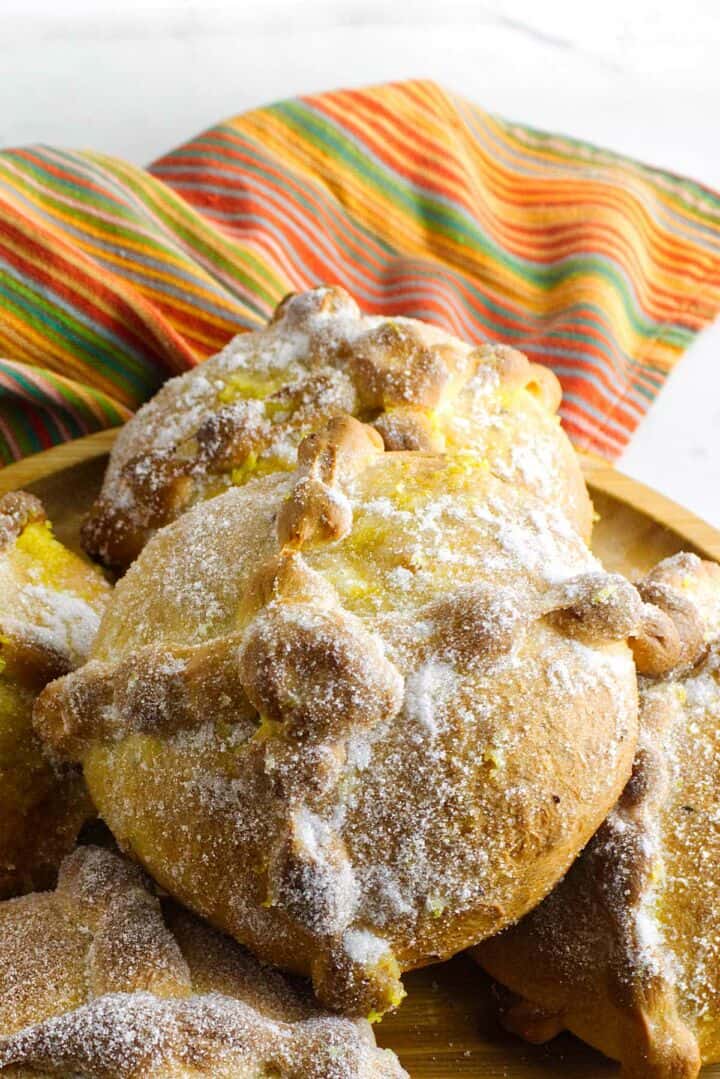
Step 9: Prepare the orange flavored topping by whisking together the melted butter and orange zest in a small bowl. Brush the melted butter and orange zest mixture all over the top of the loaves, then sprinkle granulated sugar over the tops of the loaves.
Serving Suggestions
Pan de Muerto is traditionally served warm with a cup of Mexican hot chocolate or café de olla, making it perfect for celebrating Día de los Muertos or enjoying as a sweet breakfast treat.
This soft, lightly sweet bread pairs beautifully with savory Mexican dishes like homemade pozole, chicken fajitas, or Birria Quesadilla, creating a balanced and festive meal.
Substitutions and Variations
Here are a few delicious variations or substitutions when making this recipe.
- Citrus Flavor: While orange zest is traditional, you can also use lime or grapefruit zest for a different citrus aroma in the dough and glaze.
- Spice Blend: Experiment with the spice profile. Instead of solely anise, consider adding a pinch of allspice or ground cloves for a warmer, more complex flavor.
- Glaze Alternatives: If you prefer a different finish, swap the buttery orange glaze and sugar sprinkle for a simple egg wash, or a light vanilla or citrus-flavored icing drizzle.
Tips for Success
Here are a few tips for making this recipe:
- Warm Your Liquids: Ensure your milk and any other liquids are lukewarm (around 105-115°F or 40-46°C) when activating the yeast. This optimal temperature helps the yeast bloom effectively, leading to a properly risen dough.
- Don't Over-Flour: When kneading, add just enough flour to prevent the dough from sticking. Adding too much can result in a dry, dense bread instead of the desired soft and fluffy texture.
- Achieve a Smooth Dough: Knead the dough until it's smooth and elastic. This development of gluten is crucial for the bread's structure and its characteristic tender crumb.
- Proper Proofing is Key: Let the dough rise in a warm, draft-free place until it has genuinely doubled in size. Insufficient proofing will result in a heavy, compact bread.
- Secure the "Bones": When attaching the decorative "bones" to the top of the bread, dampen them lightly before pressing them gently onto the dough rounds. This helps ensure they stick and maintain their shape during baking.
Storage Options
Some recommended storage options for this recipe are:
- Room Temperature (Short-Term): Once completely cooled, store the Pan de Muertos in an airtight container or tightly wrapped in plastic wrap at room temperature for 2-3 days. This helps keep it fresh and soft.
- Refrigeration: While refrigeration can slightly dry out the bread, if you need to store it longer, wrap it very tightly in plastic wrap and then in aluminum foil. It can be refrigerated for up to 5 days. Allow it to come to room temperature before serving or reheating for a better texture.
- Freezing: Pan de Muertos freezes quite well. Wrap the cooled bread tightly in plastic wrap, then in aluminum foil, or place it in a freezer-safe bag. It can be frozen for up to 1 month. For individual servings, slice the bread and wrap each slice separately before freezing.
- Reheating: To rewarm and restore softness, place slices or the whole breads (unwrapped) in a preheated oven at 300°F (150°C) for 5-10 minutes, or until warmed through.
Related Recipes
- Rosca de Reyes Cake (Three Kings Cake)
- Mantecadas with Orange Zest
- Authentic Mexican Churros Recipe
- Cortadillo (Mexican Pink Cake)
Frequently Asked Questions
Thinner dough ropes are easier to pinch and make the dimples to look like bone vertebrates. Pinch twice at each 'joint' area. I also pinch the small ball to look like a back vertebra!
The bread should be a beautiful golden brown on the outside. You can also tap the bottom of a loaf; if it sounds hollow, it's usually done. An internal temperature of around 200-210°F (93-99°C) confirms it's baked through.
You can use bread flour or all-purpose flour. I prefer bread flour when making enriched sweet breads, and they are lighter and fluffier than when using all-purpose flour.
Absolutely! You can divide the dough into more pieces for smaller individual loaves or fewer for larger ones. Just be aware that baking times will need to be adjusted accordingly.
Mexican Recipes

Get The Recipe!
Pan de Muerto (Day of the Dead Bread)
Equipment
- Large Rimmed Baking Sheets
Ingredients
- ⅔ cup milk
- 2 ¼ teaspoons active dry yeast
- ½ cup sugar
- 5 cups bread flour plus a little extra for work surface
- 1 teaspoon salt
- 1 teaspoon anise seed whole
- 1 cup salted butter melted
- 4 large eggs beaten lightly
- 2 teaspoons orange zest or lemon
For the topping
- ¼ cup salted butter melted
- 1 teaspoon orange zest about 1 orange
- ½ cup granulated sugar
Instructions
- Heat the milk in the microwave in 15-second increments or on the stove until it's just warm to the touch. A thermometer should read around 110°F-115°F.⅔ cup milk
- Stir in the yeast and sugar to combine, then loosely cover with plastic wrap and let it stand for 5 minutes until it gets very foamy.2 ¼ teaspoons active dry yeast, ½ cup sugar
- In the bowl of a stand mixer, whisk together the bread flour, salt, and anise seed.5 cups bread flour, 1 teaspoon salt, 1 teaspoon anise seed
- Attach the dough hook to the mixer and add the melted butter, eggs, orange zest, and yeast mixture. Mix on medium-low speed for 6-8 minutes, until the dough becomes smooth and elastic and pulls away from the bowl.1 cup salted butter, 4 large eggs, 2 teaspoons orange zest
- Coat a large bowl with oil and transfer the dough to the bowl, shaping it into a ball. Cover it with a kitchen towel and let it rise for 2 hours until doubled in size.
- Make the bone-shaped decorations for each loaf. Tear a small piece of dough off of each of the 6 dough dough balls. Roll each into a small ball and set aside.
- Pinch another piece of dough off each loaf and divide in half. Roll each into ropes about 7 inches long. Pinch the dough in intervals to make the 'bone' indentations.
- Drape the two pinched ropes over each of the loaves in a cross shape. Add the small ball at the top. Dampening them first with water will help them adhere and stay in placing during baking.
- Lightly cover with a kitchen towel and let it rise for another 1 ½ hours, or until doubled in size.
- Preheat your oven to 350°F 15 minutes before the end of the second proofing. Bake for 35-40 minutes, or until the tops are golden brown and the bread is fully cooked through. Allow to cool for 30 minutes.
- Prepare the orange flavored topping by whisking together the melted butter and orange zest in a small bowl. Brush the melted butter and orange zest mixture all over the top of the loaves, then sprinkle granulated sugar over the tops of the loaves.¼ cup salted butter, 1 teaspoon orange zest, ½ cup granulated sugar
Notes
- Warm Your Liquids: Ensure your milk and any other liquids are lukewarm (around 105-115°F or 40-46°C) when activating the yeast. This optimal temperature helps the yeast bloom effectively, leading to a properly risen dough.
- Don't Over-Flour: When kneading, add just enough flour to prevent the dough from sticking. Adding too much can result in a dry, dense bread instead of the desired soft and fluffy texture.
- Achieve a Smooth Dough: Knead the dough until it's smooth and elastic. This development of gluten is crucial for the bread's structure and its characteristic tender crumb.
- Proper Proofing is Key: Let the dough rise in a warm, draft-free place until it has genuinely doubled in size. Insufficient proofing will result in a heavy, compact bread.
- Secure the "Bones": When attaching the decorative "bones" to the top of the bread, dampen them lightly before pressing them gently onto the dough rounds. This helps ensure they stick and maintain their shape during baking.

Kelly Bloom says
I love this orange and anise flavored sweet bread. The criss crossed bones are fun as well.