

Homemade Vanilla Sugar is an easy way to turn a used vanilla bean pod into a fragrant pantry staple. Tuck the pod into a jar of sugar and let it slowly infuse for rich vanilla flavor in baking, coffee, and more.
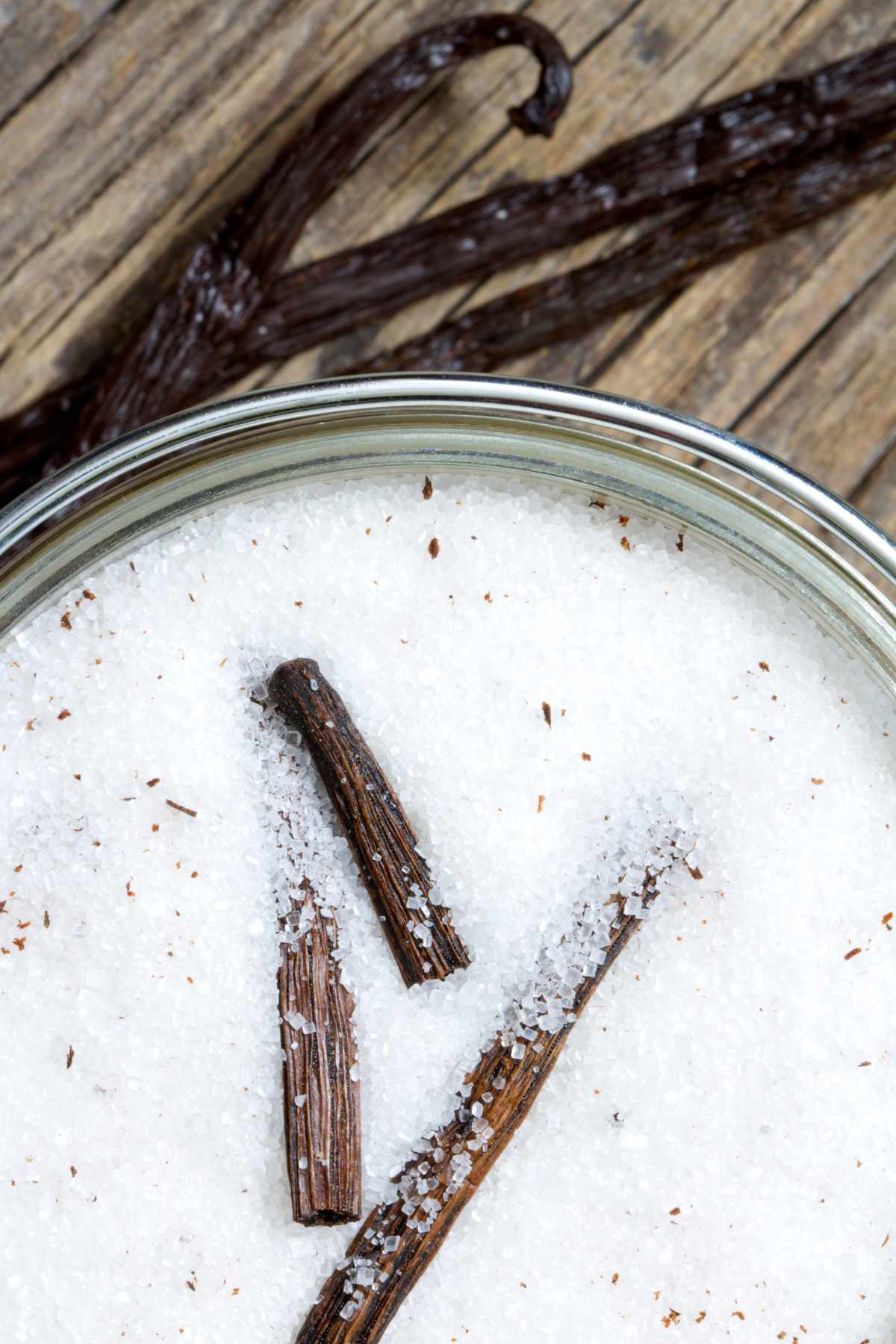
Why You'll Love Making Homemade Vanilla Sugar
Homemade vanilla sugar turns a vanilla bean pod into a fragrant pantry staple instead of letting it go to waste. As the pod rests in the sugar, it slowly adds rich vanilla flavor that works beautifully in baking, coffee, tea, and desserts.
- Easy to make: Add a vanilla bean pod to a jar of sugar and let time do the work.
- Rich vanilla flavor: The sugar develops a warm, natural vanilla aroma without added flavoring.
- Reduces waste: It gives used vanilla bean pods another purpose after the seeds have been scraped out.
Ingredients Overview
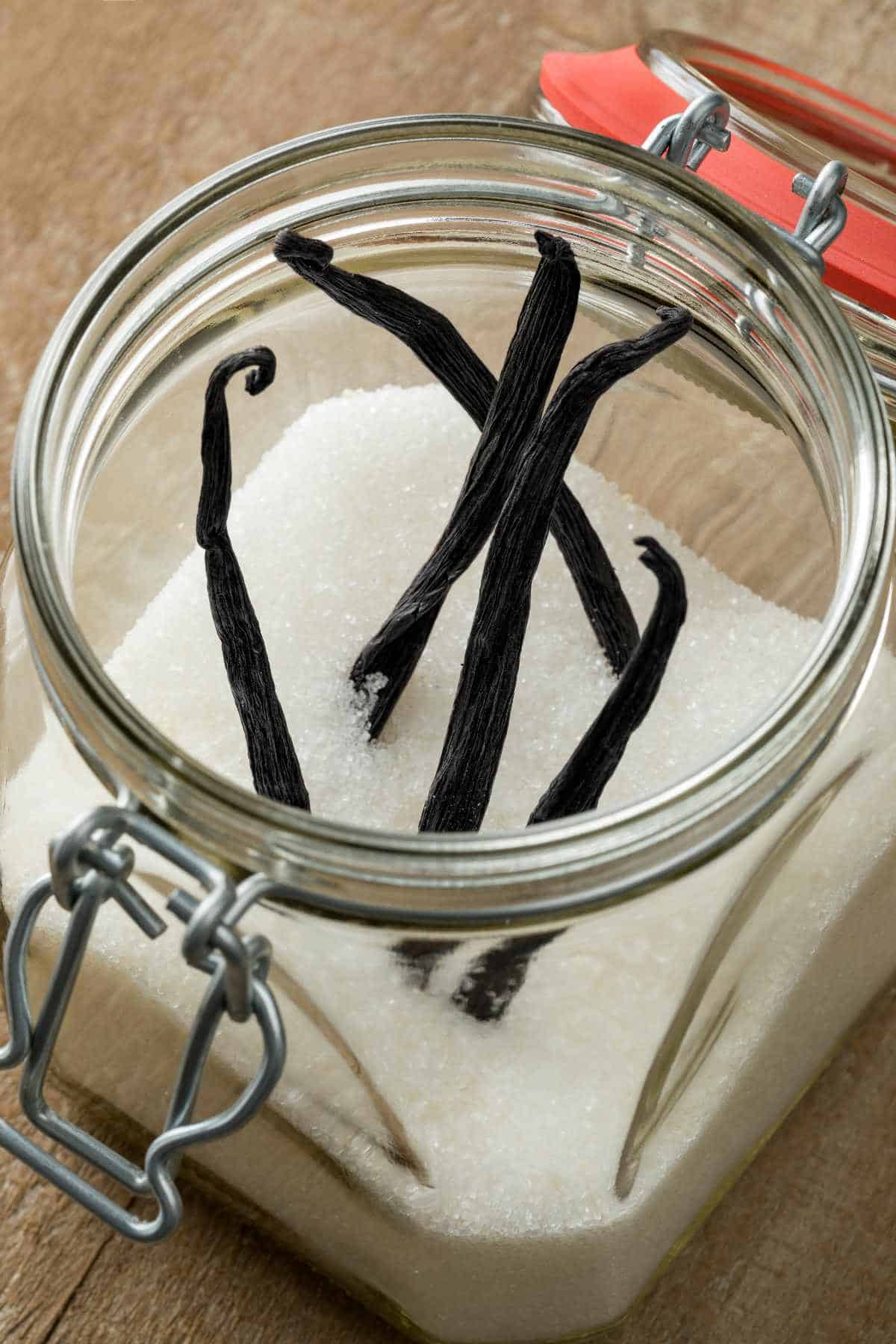
Homemade vanilla sugar needs only granulated sugar and a whole vanilla bean or leftover pod. Choose a bean that is plump, flexible, and fragrant, with a slightly oily surface, for the strongest vanilla flavor.
Full ingredient amounts and preparation instructions are in the printable recipe card at the bottom of this post.
💡 Pro Tip
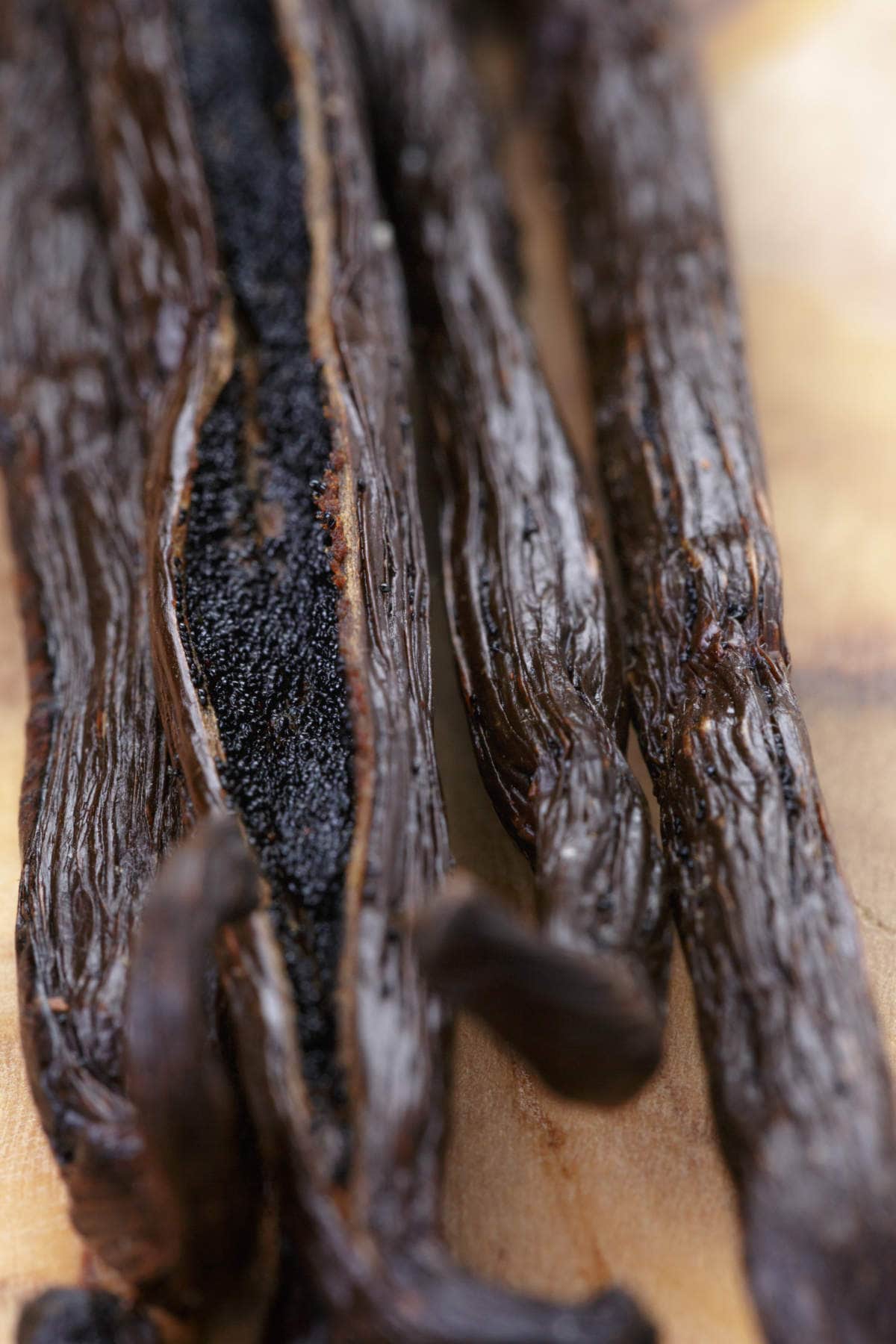
Look for soft, plump vanilla beans that bend easily and have a shiny exterior. Not only is this a sign of freshness, but it will also be easier to scrape the vanilla bean seeds, called caviar, out of the pod.
If the pods have dried out, you can plump them back up. Pop them in a quart mason jar with a tablespoon of warm water and let them sit on the window sill or in direct sunlight for a day or two. The beans will absorb moisture and soften.
How To Use Homemade Vanilla Sugar
Homemade vanilla sugar is an easy way to use every part of a vanilla bean. After splitting the bean and scraping out the seeds, tuck the empty pod into a jar of sugar so it can slowly infuse with rich vanilla flavor.
Use the step-by-step visual guide below to see how to split and scrape a vanilla bean before adding the pod to the sugar.
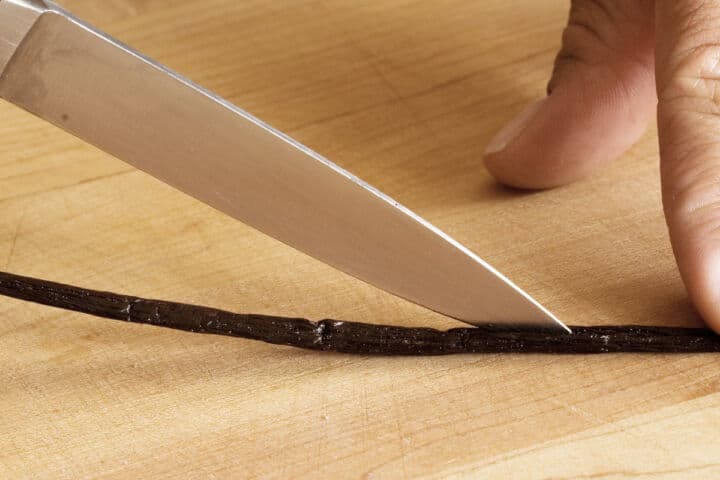
Step 1: Placing the soft vanilla bean on a cutting board, and using a sharp paring knife, carefully slice each vanilla bean lengthwise.
Step 2: Using the flat of the paring knife blade, or a spoon, scrape the grainy, black-ish vanilla caviar out of the vanilla bean.
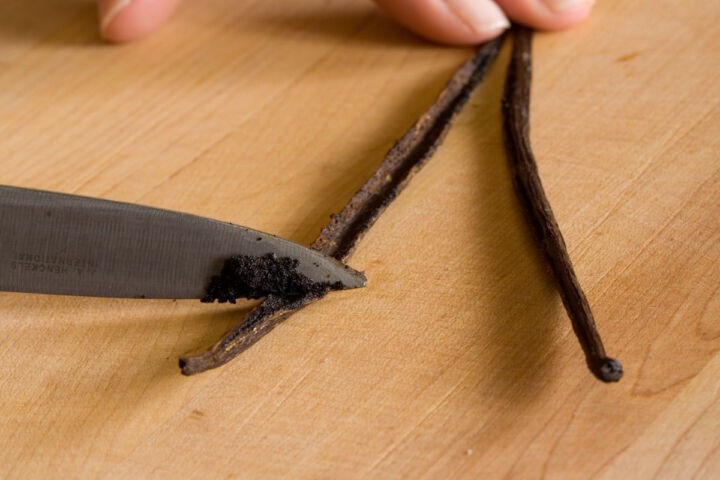
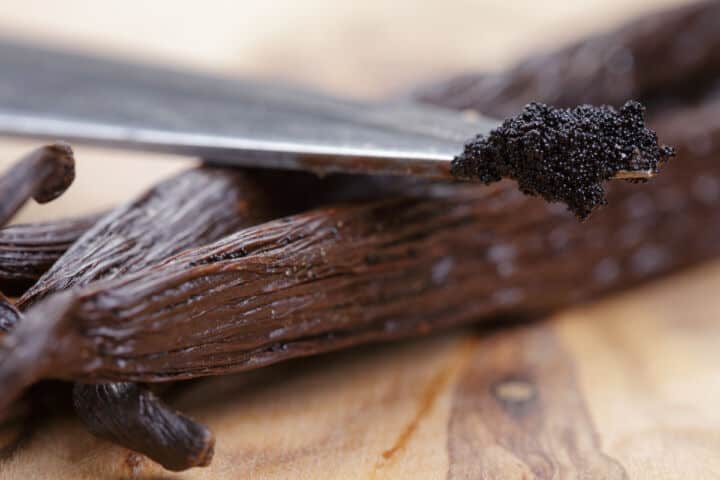
Step 3: Transfer to a small bowl, and using in place of your vanilla extract in your recipe.
Substitute the caviar scrapings of ½ a large vanilla bean for each 1 teaspoon of vanilla extract when baking.
Make Vanilla Sugar
Saving scraped vanilla bean pods to add to your sugar canister is an easy way to stretch every bit of flavor from an ingredient you already paid for. Over time, the pods gently scent the sugar with natural vanilla, giving you a simple homemade baking staple with almost no extra effort.
Step 4: Don't throw the scraped vanilla bean pods away. Cut them into small pieces or if your sugar canister is large, leave the pods whole.
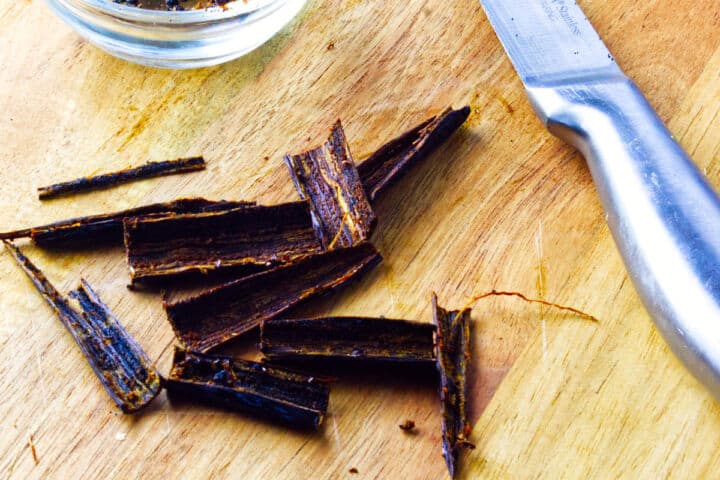
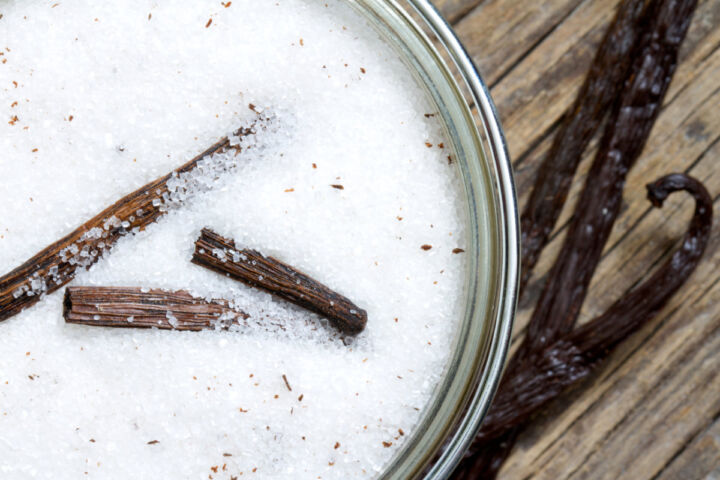
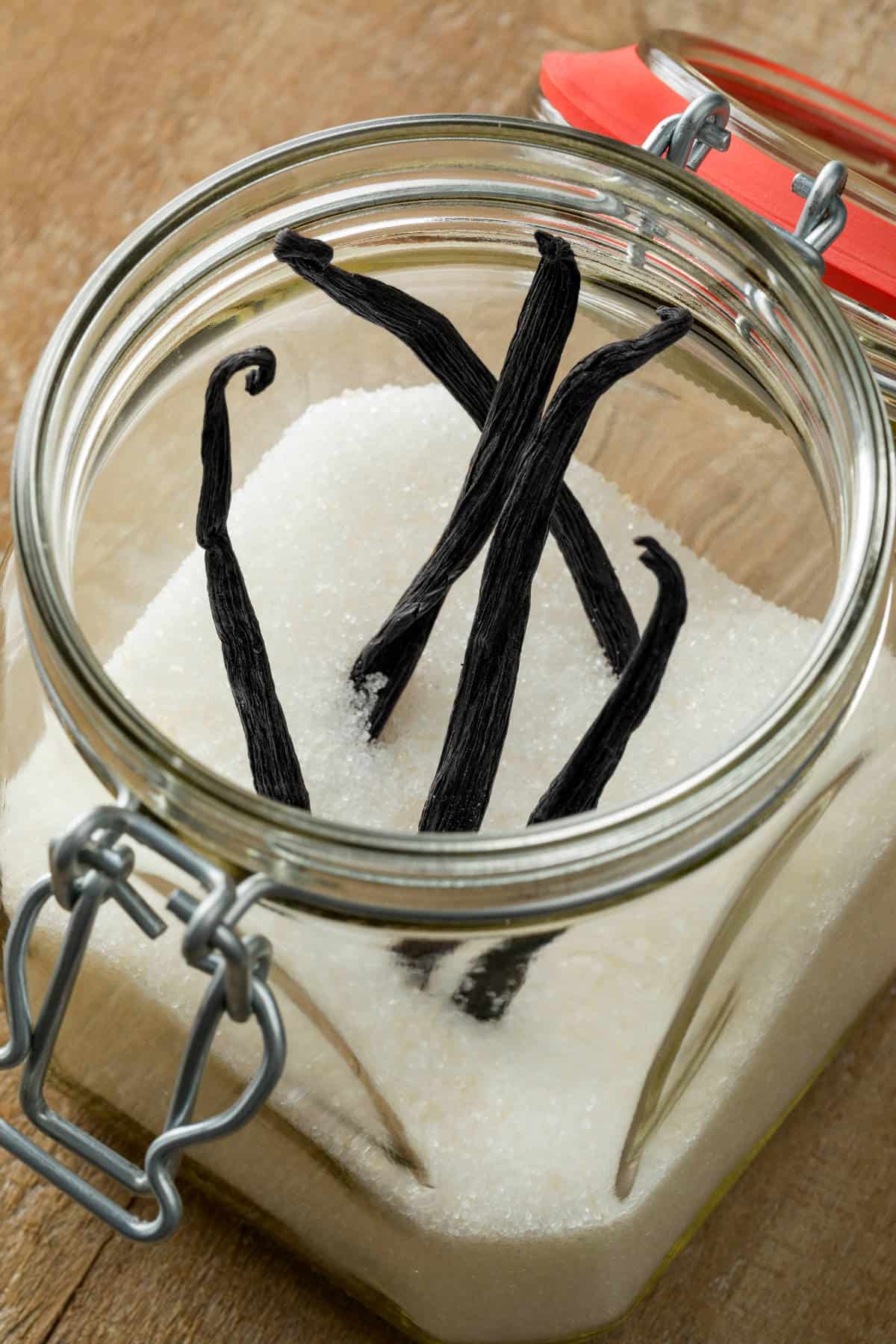
Step 4: Add the pieces or scraped pods directly to your sugar canister or jar and cover. Within a day or two your sugar will be completely vanilla scented. Use in place of any use of regular sugar.
Serving Suggestions
Use scraped vanilla beans in baked goods like cakes, cookies, or custards for a rich, aromatic flavor. Homemade vanilla sugar is perfect sprinkled over shortbread cookies, incorporated into muffins, or stirred into coffee and hot chocolate for a subtle vanilla touch.
For a special pairing, try adding vanilla bean seed to our ice cream maker vanilla ice cream.
Things To Do With Leftover Vanilla Bean Pods
Don't discard the scraped vanilla bean pods. Every bit of a vanilla bean can be put to use. Here are five ways to make the most of your scraped vanilla beans:
- Make Vanilla Powder: Dry the bean, then pulverize it in a spice grinder. Use this powder in baked goods, sauces, ice cream, or custards for enhanced flavor and visible vanilla specks.
- Flavor Coffee: Add a piece of dried vanilla casing to your coffee grinder with beans for a delicious vanilla-infused brew.
- Scent Linens: Tuck a scraped pod into your lingerie drawer for lightly scented undergarments.
- Proper Storage: Never freeze vanilla beans; it damages their flavor. Store cured beans in an airtight jar in your cupboard or pantry. If they dry out, rehydrate them by adding a water-moistened cotton ball to the jar.
Substitutions and Variations
Some useful tips and substitutions when making this recipe:
- Vanilla extract substitution: Use 1 whole vanilla bean (scraped) to replace 1 to 2 teaspoons of liquid vanilla extract in most recipes.
- Vanilla sugar alternative: If a recipe calls for vanilla extract in sugar-based recipes, use homemade vanilla sugar in place of some or all of the regular sugar.
- Pod infusion: Simmer the whole pod in milk or cream to infuse liquid flavor for custards or puddings as a substitute for extract.
- Dried bean powder: Grind a dried vanilla pod into a fine powder and use it as a direct swap for extract in dry ingredients like cake or cookie batters.
Tips for Success
Helpful tips to help you when making this recipe:
- Choose plump beans: Select fresh, soft, and fragrant vanilla beans for maximum flavor and easy scraping.
- Split carefully: Use a sharp knife to split the bean lengthwise, taking care not to cut yourself.
- Scrape thoroughly: Use the back of the knife to scrape out all the tiny seeds for full flavor in your recipe.
- Use pods wisely: Don't discard the scraped pods; add them to sugar, cream, or milk to capture every bit of vanilla.
- Store properly: Keep unused beans in an airtight container in a cool, dark place to maintain flavor and freshness. Do not store in a freezer!
Storage Options
Here is how I store leftovers when making this recipe:
- Vanilla beans: Vanilla beans should be wrapped in wax paper or plastic wrap and kept in an airtight container in a cool, dark place to preserve their moisture and aroma. Proper storage can keep beans fresh for up to two years, but using them within 6-12 months is ideal for best flavor
- Scraped pods: Place scraped pods in a jar of sugar to make homemade vanilla sugar or store in an airtight container for later.
- Homemade vanilla sugar: Keep in an airtight jar at room temperature for up to 3 months, stirring occasionally to redistribute flavor.
- Ground dried pods: Store finely ground vanilla powder in a sealed container away from light and heat for several months.
Related Recipes
Frequently Asked Question
Vanilla beans should never be frozen. They are a tropical fruit, and freezing damages both their texture and flavor. Instead, store them in a cool, dry location so they retain moisture and stay flexible. If you notice a little white powder on the surface, this is normal "bloom" from the aromatics concentrating as the beans naturally lose moisture.
Vanilla beans are especially good in custards, ice cream, panna cotta, and other recipes where the vanilla flavor can shine through without being overshadowed.
Yes, vanilla beans can dry out or lose flavor if exposed to air, light, heat, or moisture. When properly stored in the right conditions, they keep their aromatic oils and flexibility much longer.
f vanilla beans have dried out, you can soften them by soaking briefly in warm water or milk before using, or grind them into vanilla powder for baking and flavoring.
Yes, submerging vanilla beans in alcohol like vodka or rum will preserve the pods and create homemade vanilla extract that intensifies in flavor over time.
Dessert Recipes

Get The Recipe!
Homemade Vanilla Sugar
Equipment
- Large Cutting Board
Instructions
Scrape the Vanilla Beans
- Placing the soft vanilla bean on a cutting board, and using a sharp paring knife, carefully slice each vanilla bean lengthwise.2 large vanilla beans
- Using the flat of the paring knife blade, or a spoon, scrape the grainy, black-ish vanilla caviar out of the vanilla bean. Transfer to a small bowl, and using in place of your vanilla extract in your recipe. Note: Substitute the caviar scrapings of ½ a large vanilla bean to each 1 teaspoon of vanilla extract when baking.
For the Vanilla Sugar
- Don't throw the scraped vanilla pod away, as it is still full of vanilla itself. Instead, place it in a quart mason jar or your canister of granulated sugar.2 cups granulated sugar
- Allow to sit for 2-3 days and then use the vanilla sugar in place of regular sugar. The vanilla pod will give off flavor for many, many months!
Notes
- Choose plump beans: Select fresh, soft, and fragrant vanilla beans for maximum flavor and easy scraping.
- Split carefully: Use a sharp knife to split the bean lengthwise, taking care not to cut yourself.
- Scrape thoroughly: Use the back of the knife to scrape out all the tiny seeds for full flavor in your recipe.
- Use pods wisely: Don't discard the scraped pods; add them to sugar, cream, or milk to capture every bit of vanilla.
- Store properly: Keep unused beans in an airtight container in a cool, dark place to maintain flavor and freshness. Do not store in a freezer
- Vanilla extract substitution: Use 1 whole vanilla bean (scraped) to replace 1 to 2 teaspoons of liquid vanilla extract in most recipes.
- Vanilla sugar alternative: If a recipe calls for vanilla extract in sugar-based recipes, use homemade vanilla sugar in place of some or all of the regular sugar.
- Pod infusion: Simmer the whole pod in milk or cream to infuse liquid flavor for custards or puddings as a substitute for extract.
- Dried bean powder: Grind a dried vanilla pod into a fine powder and use it as a direct swap for extract in dry ingredients like cake or cookie batters.
Nutrition
Pin It For Later ⤵
Kelly Bloom says
Delicious, I'm making this again!