

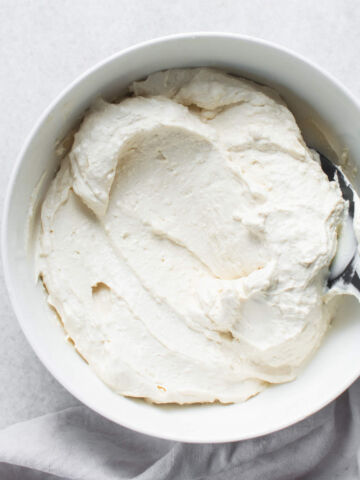
Homemade Yogurt is smooth, creamy, and easier to make than you might think. This reliable method uses an electric yogurt maker, with notes for an Instant Pot, slow cooker, or proofing oven.
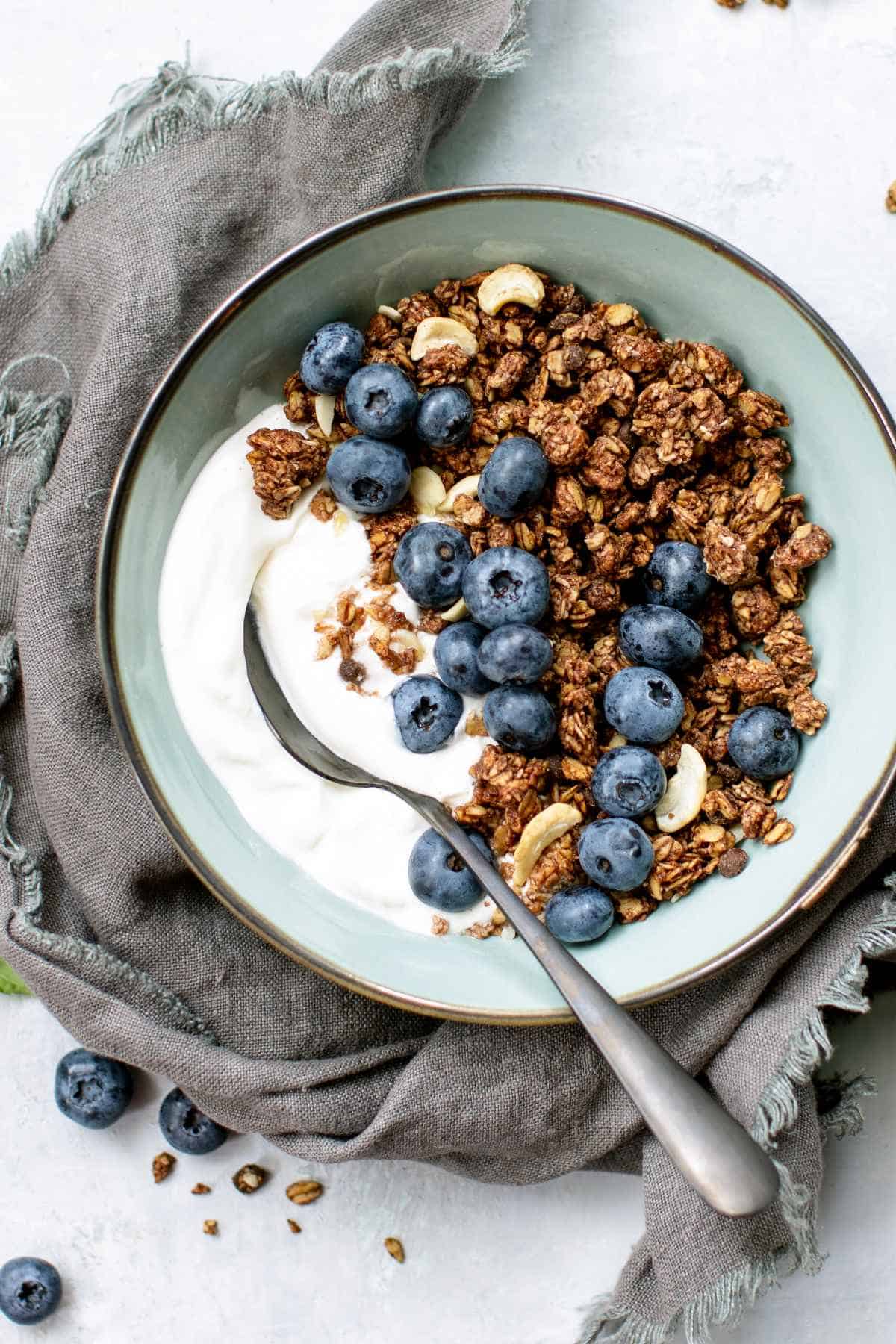
Homemade yogurt works well for breakfast parfaits, smoothies, dips, marinades, and sauces. Once you learn the basic method, you can also strain it to make Greek yogurt or labneh.
Jump to:
- How Is Yogurt Made?
- Why This Homemade Yogurt Recipe Works
- Ingredients Overview
- Best Milk for Making Yogurt
- Basic Yogurt Ratio
- How to Choose a Yogurt Starter
- How to Make Yogurt
- Other Ways to Incubate Yogurt
- Ways to Use Homemade Yogurt
- Types of Yogurt You Can Make at Home
- Yogurt vs Greek Yogurt
- Substitutions and Variations
- Tips for Success
- Storage Options
- Related Recipes
- Frequently Asked Questions
- Breakfast Recipes
- Get The Recipe!
How Is Yogurt Made?
Yogurt is made by warming milk and adding live bacterial cultures. As the cultures ferment the milk at about 110°F, they convert lactose into lactic acid, which thickens the milk and gives yogurt its tangy flavor.
Why This Homemade Yogurt Recipe Works
This method keeps the process simple while producing smooth, creamy yogurt with consistent results. An electric yogurt maker maintains the steady temperature needed for proper incubation, while the flexible notes make it easy to adapt the method to other kitchen appliances.
- Only two ingredients: Milk and a yogurt starter culture are all you need.
- Consistent results: A yogurt maker keeps the incubation temperature steady.
- Flexible method: The same preparation works for several incubation methods.
- Useful in many recipes: Homemade yogurt can be used for breakfast, sauces, marinades, and baking.
Ingredients Overview
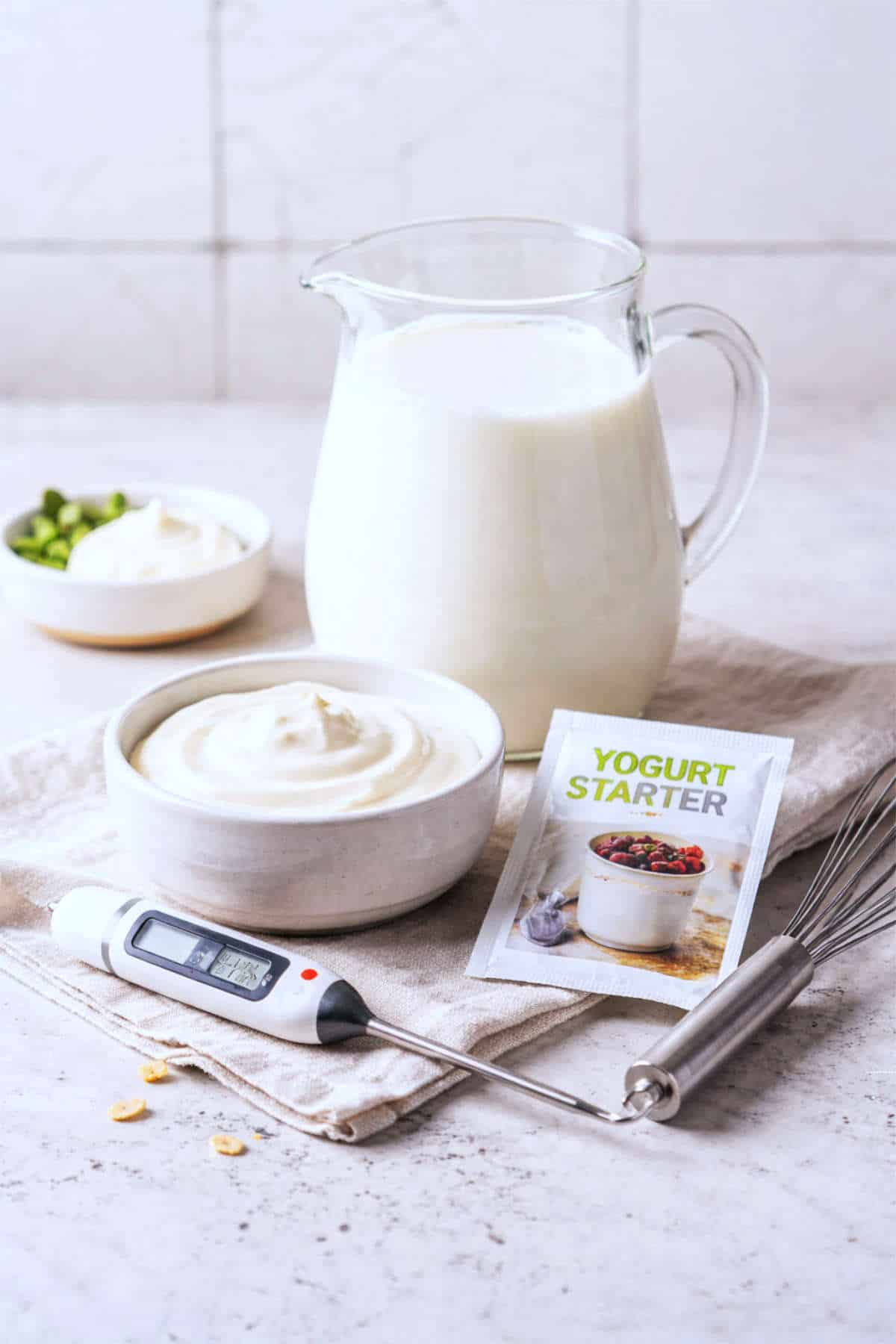
Homemade yogurt requires only two ingredients.
- Milk: Whole milk produces the creamiest yogurt, but 1% or 2% milk also works. Ultra-pasteurized milk can be used and only needs to be warmed to culturing temperature.
- Starter culture: Either a dehydrated yogurt culture or a few tablespoons of plain yogurt with live active cultures.
Full ingredient amounts and preparation instructions are in the printable recipe card at the bottom of this post.
Best Milk for Making Yogurt
Making yogurt at home works with several types of milk. Whole milk produces the creamiest texture, while lower-fat milk makes a lighter yogurt. Yogurt can also be made using lactose-free milk, which is pretreated with the lactase enzyme.
For thicker yogurt: Some yogurt makers heat milk to 180°F before cooling it to 110°F because the higher temperature can help create a thicker set.
| Milk Type | Texture of Yogurt | Notes |
|---|---|---|
| Whole milk | Thick and creamy | Most common choice for homemade yogurt |
| 2% milk | Slightly lighter | Still cultures well but produces softer yogurt |
| 1% or skim milk | Thin | Often benefits from straining or adding milk powder |
| Lactose-free milk | Creamy | Ferments normally; see my lactose free yogurt guide |
| Ultra-pasteurized milk | Smooth texture | Only needs to be warmed to culturing temperature |
For detailed instructions, see my guide on yogurt made with lactose free milk.
Basic Yogurt Ratio
| Milk | Starter | Yogurt Yield |
|---|---|---|
| 4 cups | 2 tablespoons | About 4 cups |
| 8 cups | 3 tablespoons | About 8 cups |
| ½ gallon | ¼ cup | About ½ gallon |
How to Choose a Yogurt Starter
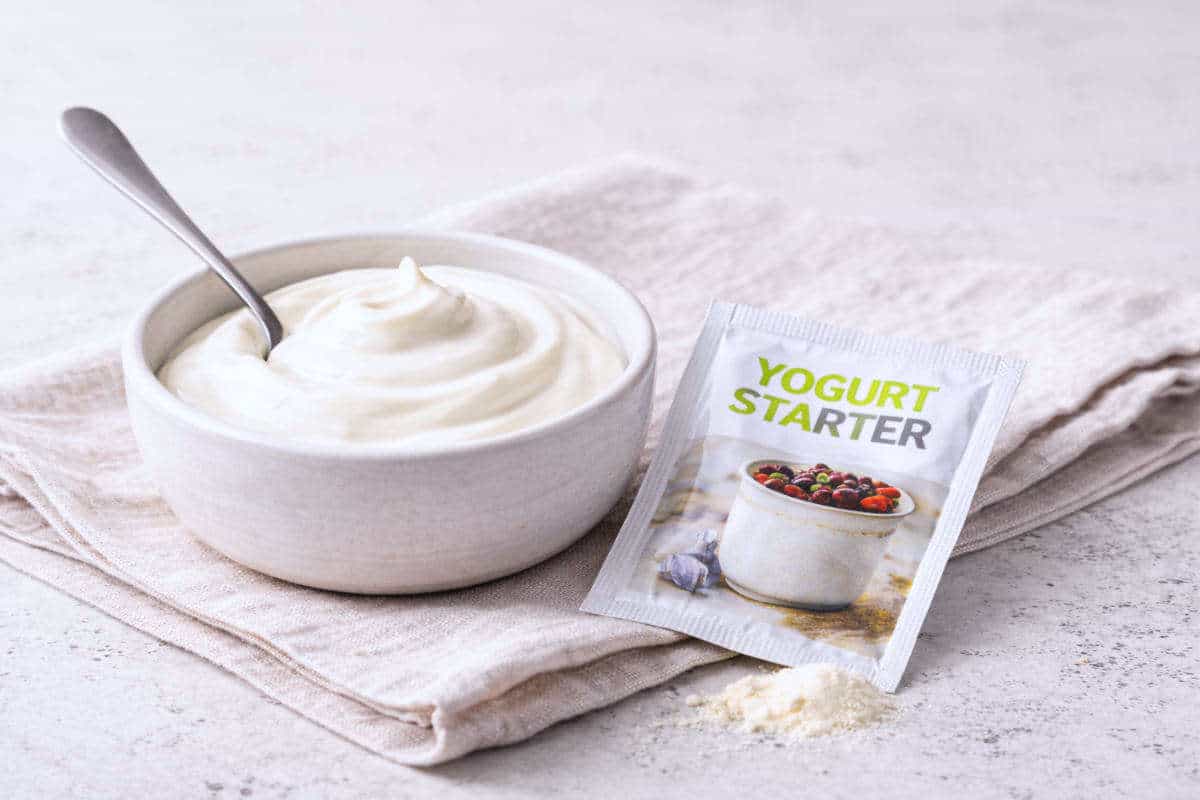
A yogurt starter is a small amount of live bacterial culture used to ferment milk and turn it into yogurt. Yogurt is made by fermenting milk with live bacterial cultures. These cultures convert lactose into lactic acid, which thickens the milk and creates the familiar tangy flavor of yogurt.
There are two common ways to add cultures:
- Plain yogurt starter: Use about 3 tablespoons of plain, unsweetened yogurt that lists live active cultures. Popular brands include Fage or Stonyfield.
- Dehydrated yogurt culture: Powdered starters are widely available and provide consistent results. Many people use brands such as Cultures for Health.
After your first batch, save a few tablespoons of homemade yogurt to use as the starter for the next batch.
How to Make Yogurt
Homemade yogurt is made by heating milk, mixing in a live yogurt starter culture, and incubating the milk at about 110°F until it thickens.
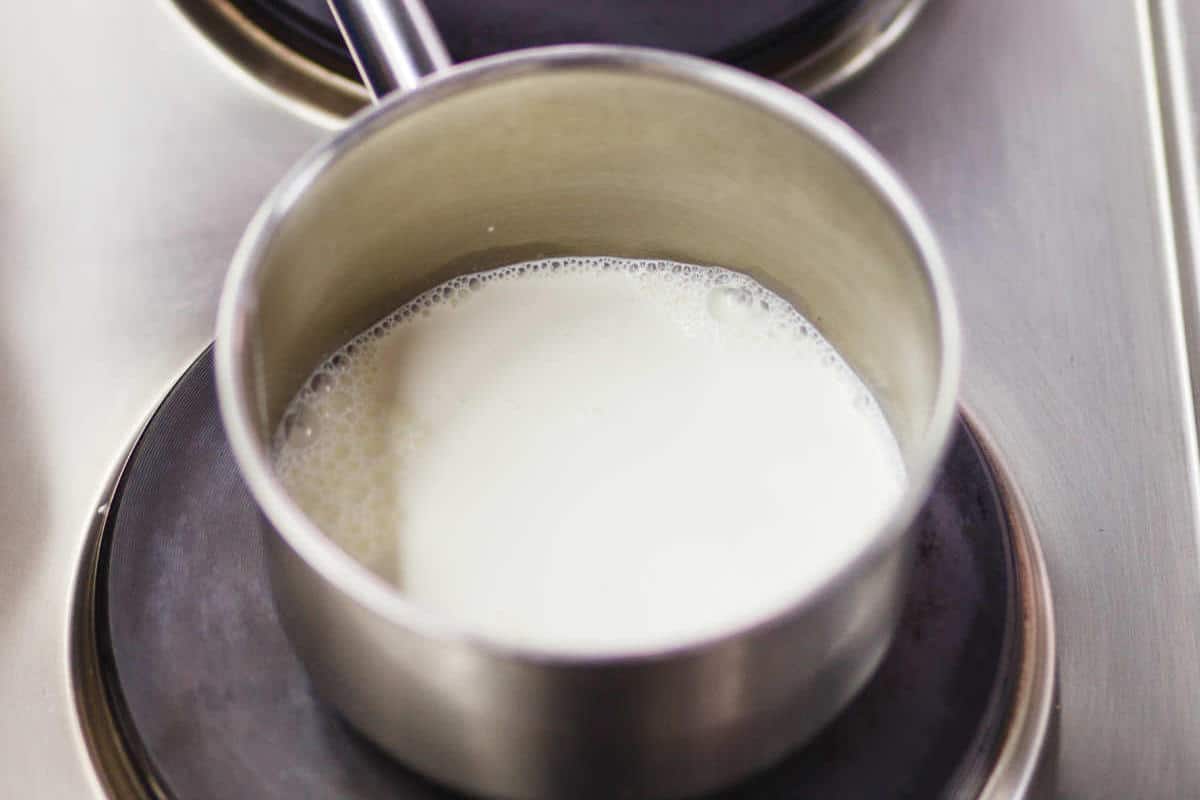
- Pour the milk into a saucepan and warm gently.
- Heat to 110°F if using ultra-pasteurized milk. If using regular pasteurized milk, heat to 160°F, then cool to 110°F.
- In a small bowl, mix the starter culture with a few tablespoons of warm milk until smooth.
- Whisk the starter mixture back into the pot of warm milk.
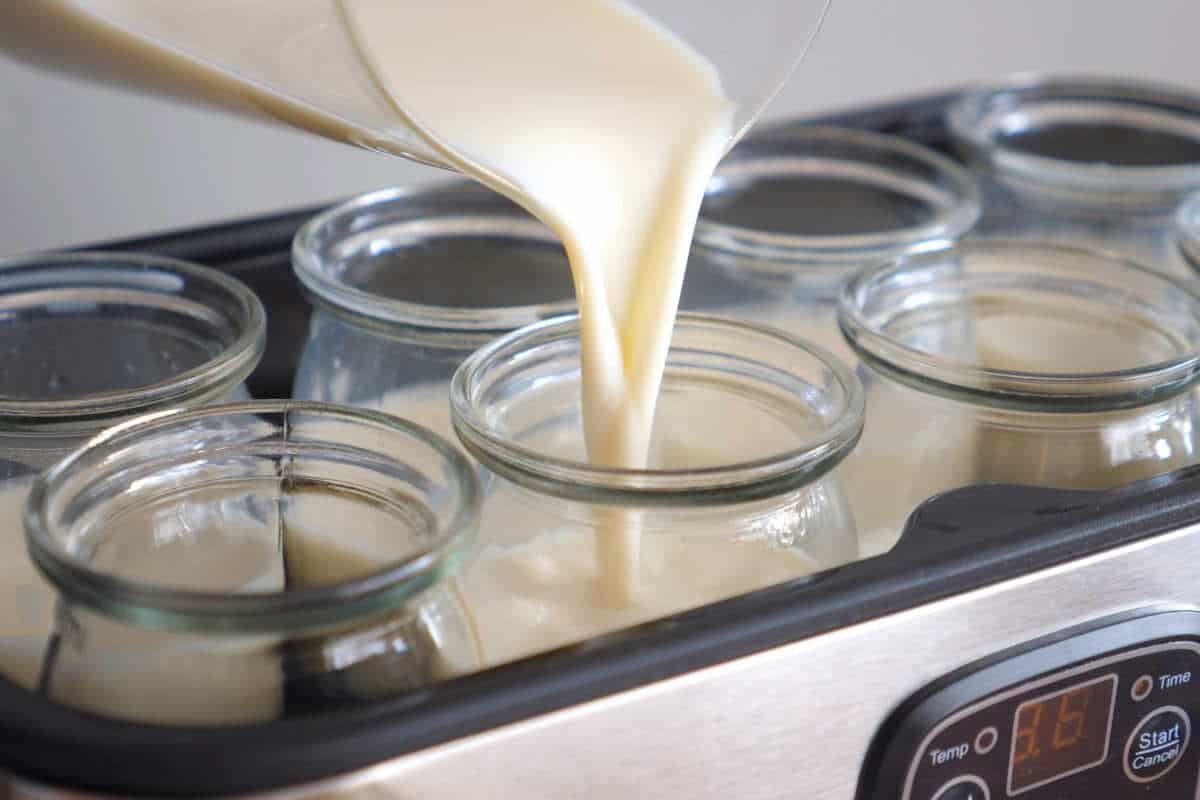
- Pour the cultured milk into jars or a culturing container.
- Incubate for 8 to 12 hours, depending on how mild or tangy you want the yogurt.
- Refrigerate for at least 4 hours before serving.
- Save 3 tablespoons of yogurt as starter for your next batch.
Other Ways to Incubate Yogurt
If you do not have a yogurt maker, several common kitchen appliances can also maintain the low temperature needed for fermentation.
Instant Pot Method
Many Instant Pot models include a yogurt program that maintains the proper temperature automatically. Place the jars or a bowl of cultured milk inside and incubate for 8-12 hours.
Slow Cooker Method
Place the jars on a rack inside a slow cooker and set it to the warm setting. Leave the lid slightly ajar and incubate for 8-12 hours.
Oven Proof Setting
Some ovens include a proof setting used for bread dough. This temperature range (about 110-120°F) works well for yogurt fermentation.
Avoid using the standard oven warm setting, which is usually too hot and may kill the cultures.
Ways to Use Homemade Yogurt
Homemade yogurt can be used anywhere regular yogurt is used.
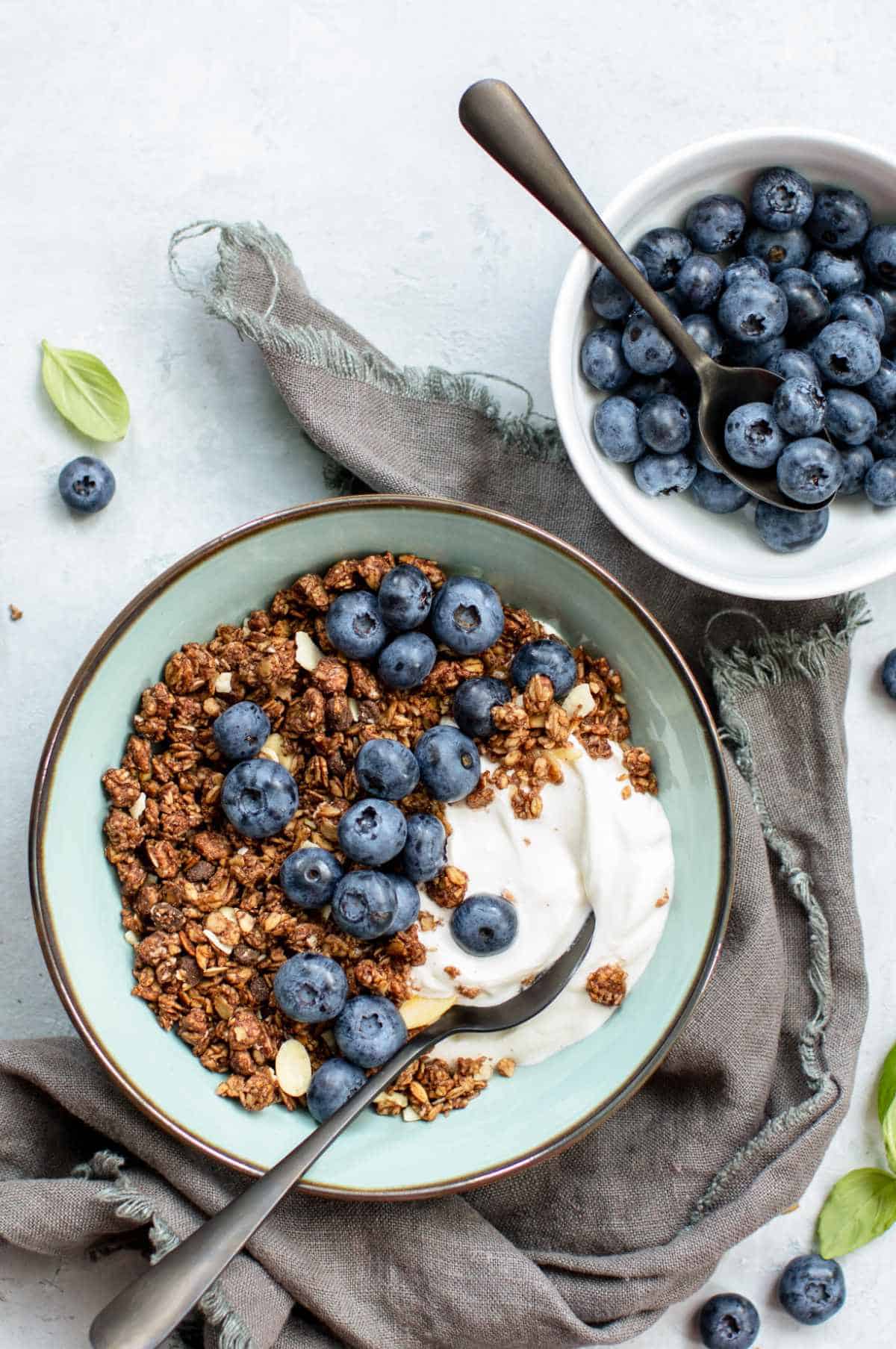
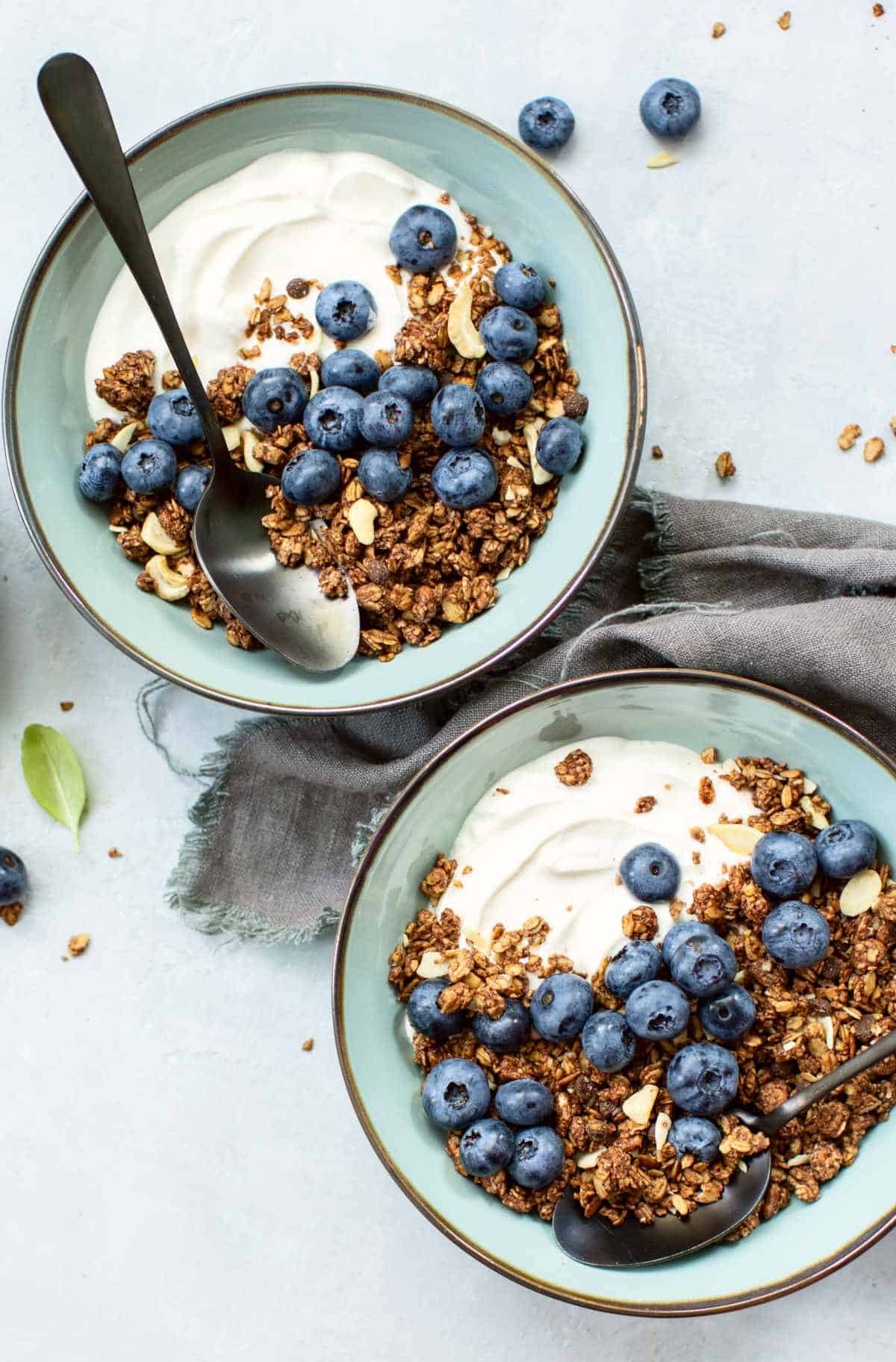
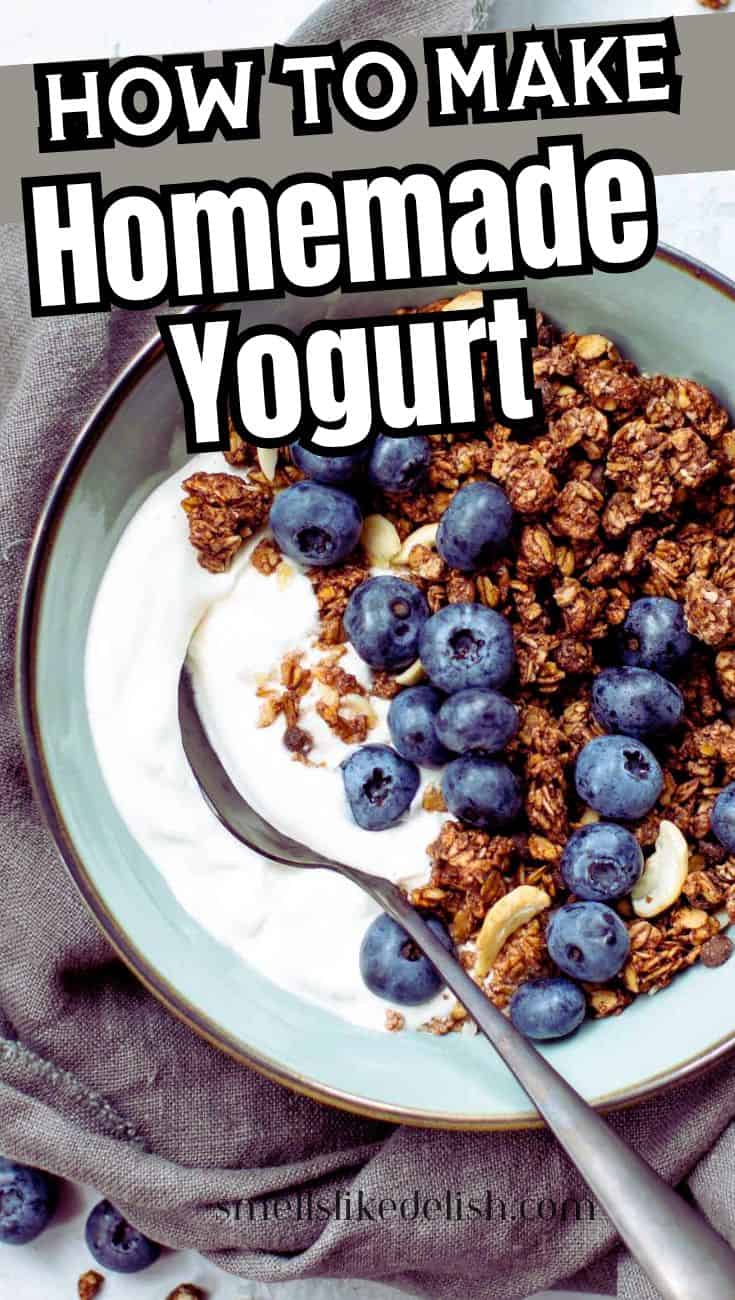
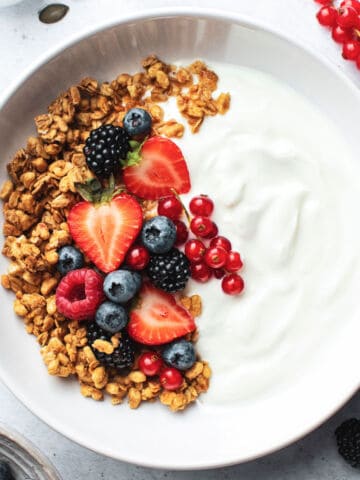
- Breakfast parfaits: Layer with fruit and your favorite granola.
- Smoothies: Adds creaminess and protein.
- Sauces and dips: Use it in recipes such as tzatziki sauce or cucumber raita.
- Marinades: Yogurt tenderizes meats such as chicken or lamb.
- Creamy dishes: Yogurt can replace sour cream or cream in many recipes like our Cucumber Yogurt Salad.
Types of Yogurt You Can Make at Home
Once you learn the basic yogurt method, you can also make several related cultured dairy foods.
- Greek yogurt: Strained yogurt that removes some of the whey for a thicker texture.
- Labneh: Extra-strained yogurt that becomes thick enough to spread like soft cheese.
- Lactose free yogurt: Yogurt made using lactose free milk, which is easier for some people to digest.
Yogurt vs Greek Yogurt
Regular yogurt and Greek yogurt start the same way. Greek yogurt is simply strained after fermentation to remove some of the whey, which creates a thicker texture and higher protein concentration.
Substitutions and Variations
Some useful adjustments when making homemade yogurt include:
- Milk fat level: Whole milk produces thicker yogurt, while lower-fat milk results in a softer texture.
- Greek yogurt: Strain finished yogurt through cheesecloth to remove whey and create thicker Greek-style yogurt.
- Flavoring: After chilling, stir in honey, maple syrup, vanilla, or fruit puree.
Tips for Success
A few simple techniques make yogurt fermentation more reliable.
- Start with clean jars: Wash jars well in hot soapy water before filling them so unwanted bacteria do not interfere with the culture.
- Use fresh starter: The cultures must be active.
- Monitor temperature: Temperatures that are too hot can kill the cultures.
- Incubate longer for tangier yogurt: Eight hours produces a mild flavor, while twelve hours produces a thicker, tangier yogurt.
- Save starter for the next batch: A few tablespoons is enough.
Storage Options
Homemade yogurt keeps well when stored properly.
- Store in airtight containers in the refrigerator for 7-10 days.
- Freeze small portions if you want to preserve starter culture for future batches.
Related Recipes
Frequently Asked Questions
Yes. Ultra-pasteurized milk can be cultured successfully. It only needs to be warmed to about 110°F before adding the starter.
About 3 tablespoons of plain yogurt or one envelope of dehydrated culture for a half gallon of milk.
Thin yogurt can result from weak starter cultures, insufficient incubation time, or lower-fat milk.
Yes. Simply strain the finished yogurt through cheesecloth to remove whey and thicken the texture.
Homemade yogurt usually takes about 8 to 12 hours to set at around 110°F. The longer it incubates, the tangier and firmer it becomes.
es. You can incubate yogurt in an Instant Pot, slow cooker, or an oven with a proof setting as long as the temperature stays low and steady.
Breakfast Recipes


Get The Recipe!
How To Make Homemade Yogurt
Equipment
- 8 8 oz rounded Ball Canning Jars (or other small jars)
- 3 qt Saucepan
- ThermoPro Thermometer
- Whisk
- 1 Yogurt Maker
Ingredients
- 64 oz whole milk (1 half gallon)
- 1 envelope yogurt starter cultures (or 3 tablespoons plain yogurt with live active cultures)
Instructions
- Wash and dry the jars or culturing container.
- Warm the milk to 110°F if using ultra-pasteurized milk. If using regular pasteurized milk, heat to 160°F, then cool to 110°F.64 oz whole milk (1 half gallon)
- In a small bowl, mix the starter with a few tablespoons of the warm milk until smooth.1 envelope yogurt starter cultures
- Whisk the starter mixture back into the warm milk.
- Pour the cultured milk into the jars of a yogurt maker.
- Incubate for 8 to 12 hours, depending on how mild or tangy you want the yogurt.
- Refrigerate for at least 4 hours before serving.
- Save 3 tablespoons of yogurt as starter for your next batch.
Notes
- Alternate incubation options: Instant Pot, slow cooker, or an oven with a proof setting.
- Milk choice: Whole milk makes thicker yogurt, but lower-fat free milk also works.
- Starter: Use plain unsweetened yogurt with live cultures or a dehydrated yogurt starter.
- Incubation time: Longer incubation makes tangier, firmer yogurt.
- Save starter: Freeze small portions if needed so you always have some on hand.
Nutrition
Pin It For Later ⤵
Kelly Bloom says
My family loved this!
Kelly Bloom says
Delicious, I'm making this again!