


Greek yogurt is plain yogurt that has been strained until it becomes thicker and creamier. As the whey drains away, the yogurt takes on the rich texture Greek yogurt is known for.

Greek yogurt is a versatile ingredient that works in smoothies, sauces, dips, and baking, which is why it is one of the most useful homemade pantry staples.
Jump to:
- What Is Greek Yogurt?
- What Is the Difference Between Greek Yogurt and Regular Yogurt?
- Can You Make Greek Yogurt from Store-Bought Yogurt?
- Why This Greek Yogurt Recipe Works
- Ingredients and Tools for Making Greek Yogurt
- How To Make Homemade Greek Yogurt
- How To Strain Yogurt
- Why Isn't My Greek Yogurt Thick?
- What To Do With The Whey
- Ways to Use Greek Yogurt
- Types of Yogurt You Can Make At Home
- Substitutions and Variations
- Tips for Success
- Storage Options
- Related Recipes
- Frequently Asked Questions
- Easy Brunch Recipes
- Get The Recipe!
What Is Greek Yogurt?
Greek yogurt is strained yogurt. It starts as regular plain yogurt, then part of the whey is removed to create a thicker texture and a more concentrated flavor. That extra straining is what gives Greek yogurt its creamy body and tangier taste.
What Is the Difference Between Greek Yogurt and Regular Yogurt?
Greek yogurt and regular yogurt start the same way. Both are made by culturing milk with live bacterial cultures until the milk thickens and turns tangy.
Greek yogurt becomes thicker because it is strained after fermentation. Straining removes part of the whey, which concentrates the milk solids and creates the thicker texture Greek yogurt is known for.
Can You Make Greek Yogurt from Store-Bought Yogurt?
Yes. Greek yogurt can be made by straining either homemade yogurt or plain store-bought yogurt that contains live active cultures. The straining process removes whey and thickens the yogurt, so the starting yogurt just needs to be plain and unsweetened.
Why This Greek Yogurt Recipe Works
This method is simple, flexible, and easy to control. You can strain yogurt for a shorter time for a softer texture or longer for a thicker, richer Greek yogurt.
- Simple process: Greek yogurt is made by straining regular yogurt to remove whey.
- Thicker texture: Removing whey concentrates the milk solids and makes the yogurt creamier.
- Easy to control: The longer yogurt strains, the thicker it becomes.
- Works with homemade or store-bought yogurt: Any plain yogurt with live active cultures can be used.

Ingredients and Tools for Making Greek Yogurt
To make Greek yogurt you only need plain yogurt with live active cultures and a simple straining setup.
Ingredients
- 4 cups plain yogurt with live active cultures
Tools
- Fine mesh strainer
- Cheesecloth or thin kitchen towel
- Medium bowl
Full ingredient amounts and preparation instructions are in the printable recipe card at the bottom of this post.
Pro Tip
Use plain unsweetened yogurt with live active cultures for the best texture. If you want to make the yogurt from scratch first, start with my homemade yogurt guide or my lactose free yogurt guide.
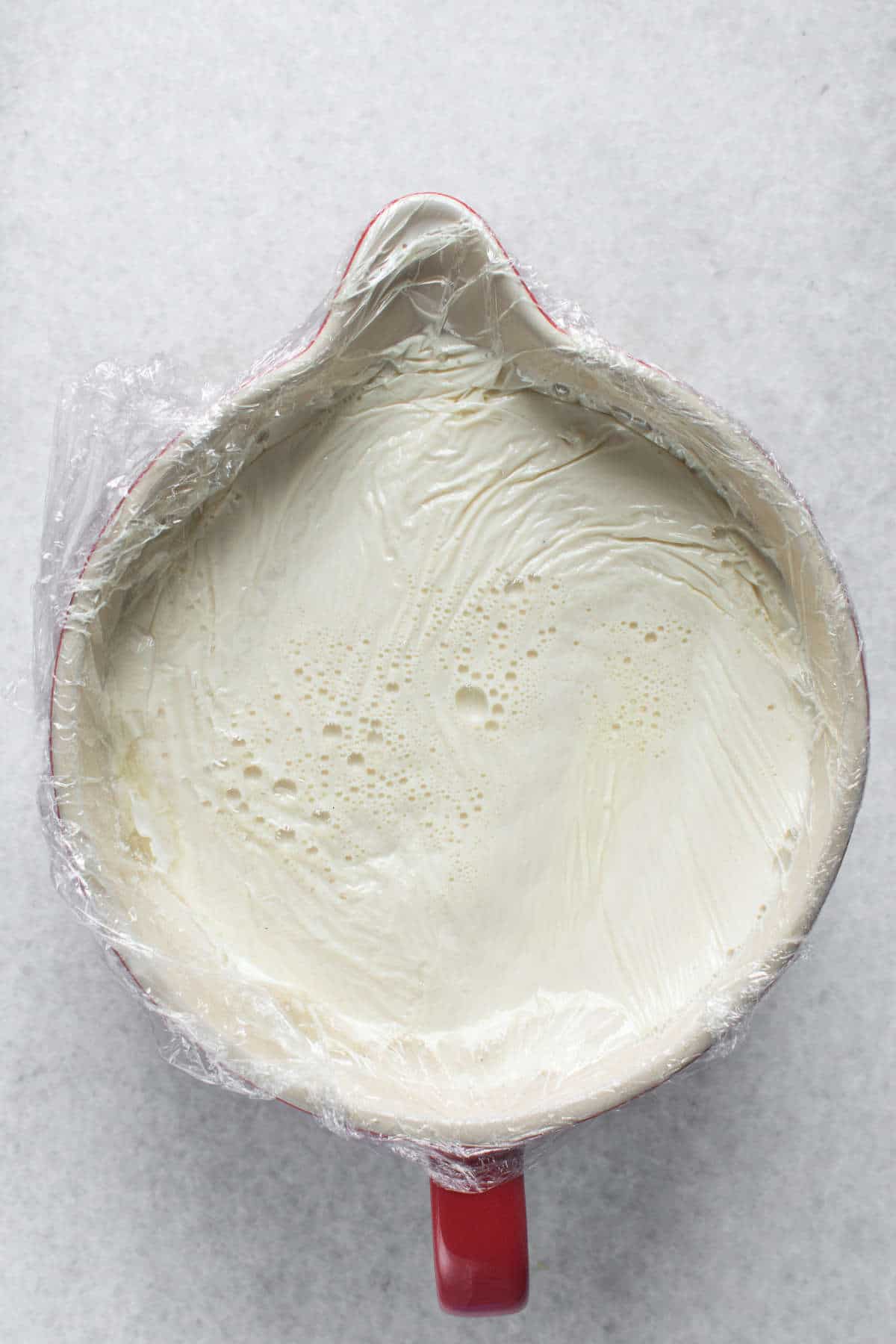
How To Make Homemade Greek Yogurt
Greek yogurt is made by straining plain yogurt in the refrigerator until part of the whey drains away. The process is simple, but the final texture depends on how long you let it strain. See the step-by-step visual instructions below to follow each part of the process.
- Line a fine mesh strainer with cheesecloth or a clean thin kitchen towel and set it over a bowl.
- Spoon the plain yogurt into the lined strainer.
- Cover and refrigerate while the whey drains into the bowl below.
- Strain for 3 to 4 hours for classic Greek yogurt, or longer for a thicker texture.
- Transfer the thickened Greek yogurt to a clean container and refrigerate until ready to use.
After the yogurt has strained for a few hours, you will see pale yellow whey collected in the bowl and much thicker yogurt left behind in the strainer. Once it reaches the texture you like, scrape it into a container and chill it until you are ready to serve it.
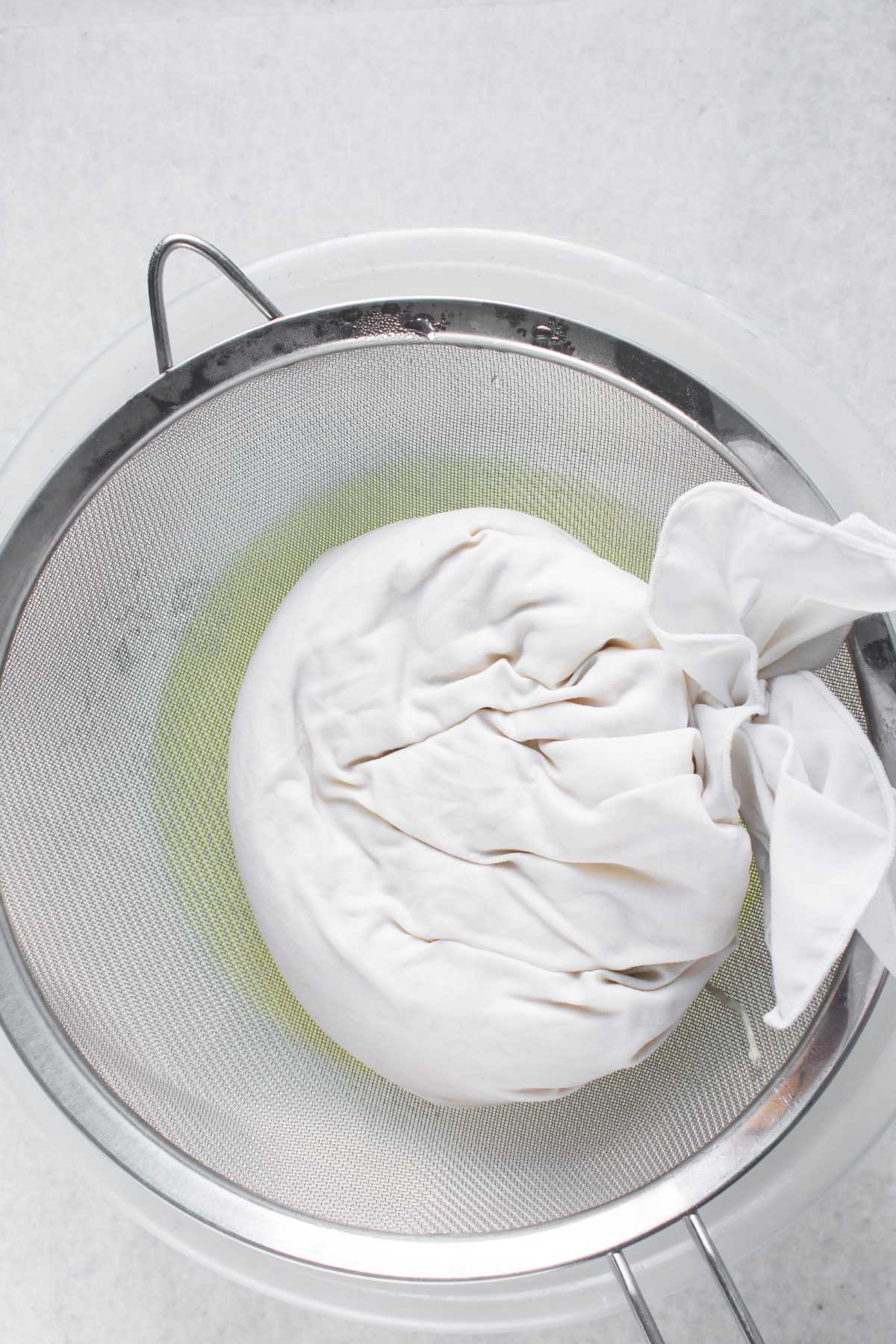
As the yogurt strains, the whey collects in the bowl underneath and the yogurt becomes noticeably thicker. The longer it drains, the denser and creamier the finished Greek yogurt will be.
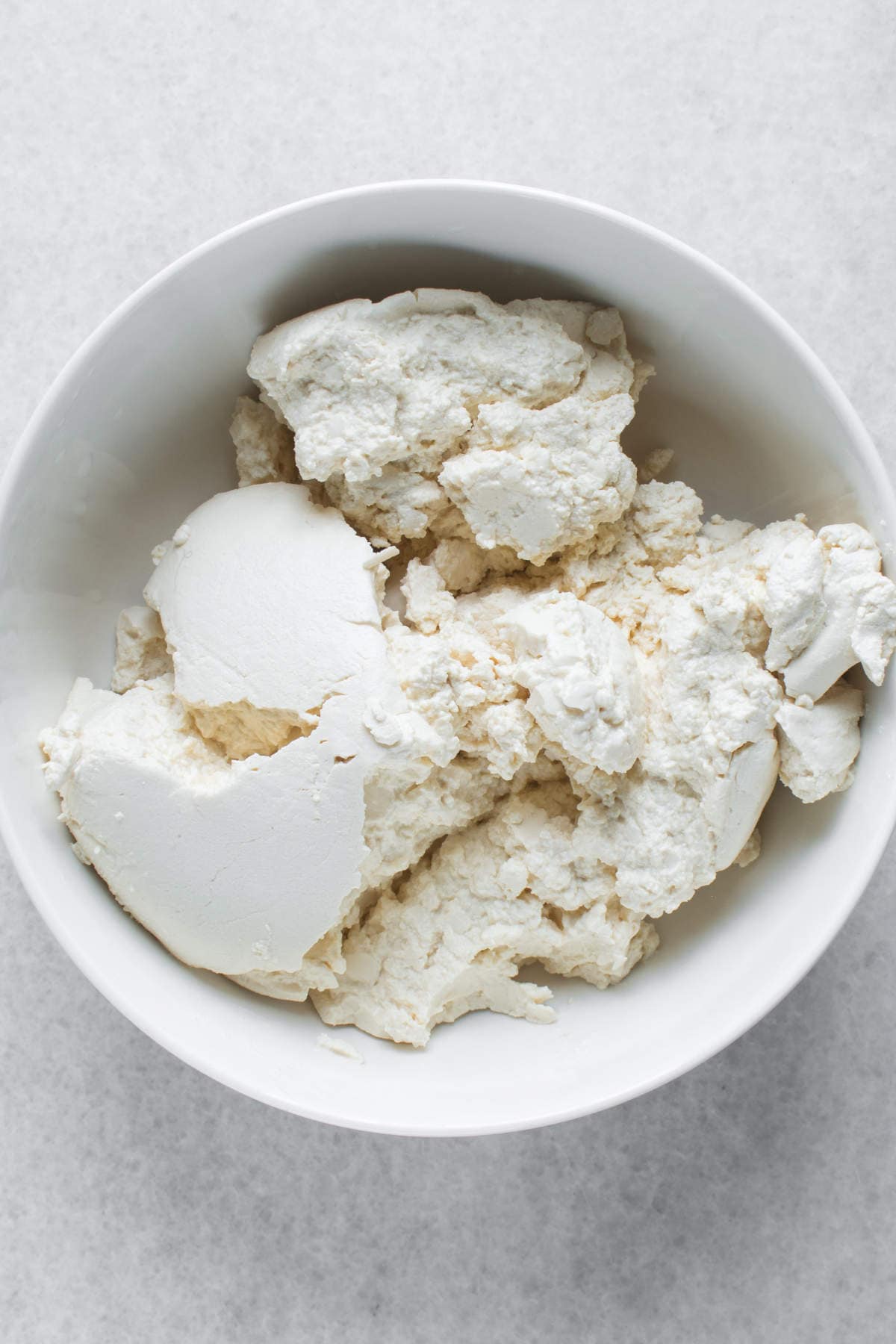
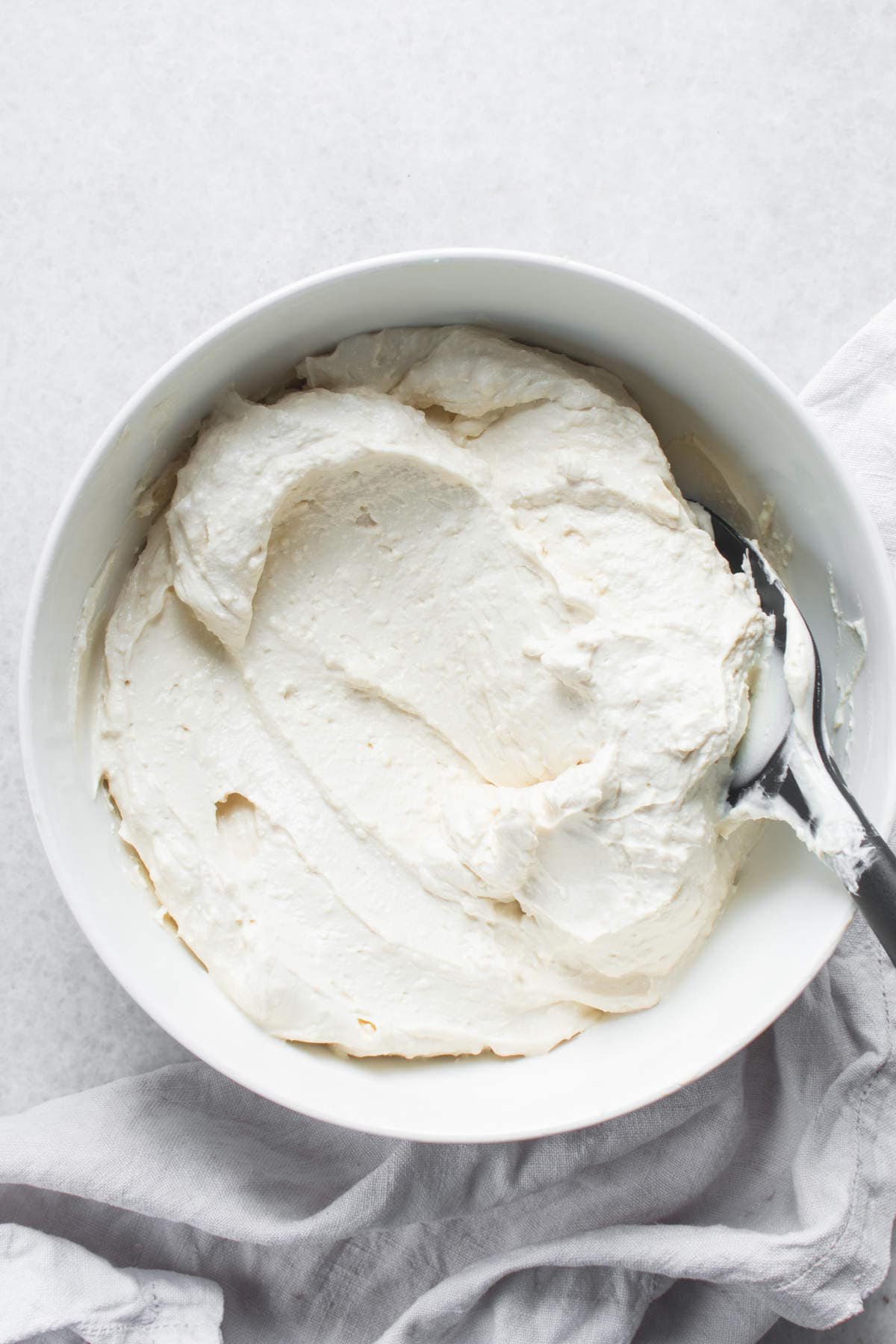
How To Strain Yogurt
The length of time you strain yogurt determines how thick the Greek yogurt becomes. Shorter straining gives you a softly thick yogurt, while longer straining creates a much denser yogurt that can eventually become labneh.
Milk choice affects the thickness and texture of homemade Greek yogurt, but straining time matters just as much. Use this guide to decide how thick you want the finished yogurt to be.
| Straining Time | Texture Result |
|---|---|
| 1-2 hours | Lightly thick yogurt |
| 3-4 hours | Classic Greek yogurt texture |
| 6-8 hours | Very thick Greek yogurt |
| 12-24 hours | Labneh (spreadable yogurt cheese) |
Why Isn't My Greek Yogurt Thick?
If your Greek yogurt seems thin, it simply needs more time to strain. Very thin starting yogurt can take longer because there is more whey to drain.
Using a thicker starting yogurt will also produce thicker Greek yogurt.
What To Do With The Whey
Don't pour the whey down the drain if you can use it elsewhere. It is useful in several kitchen projects, especially if you already bake or make smoothies regularly.
- Smoothies: Add a little whey to fruit smoothies for extra tang and protein.
- Baking liquid: Use it in place of some of the water or milk in bread, muffins, or pancakes.
- Soup base: Stir a small amount into soups or stews where a slight tang works well.
- Fermenting projects: Whey is often used to jump-start certain fermented foods.
Ways to Use Greek Yogurt
Greek yogurt is useful anywhere you want a thicker yogurt that can hold its shape a little better. It works well for breakfast with granola and fruit, but it is also useful in sauces, dips, smoothies, and marinades.
Because it is thicker than regular yogurt, it also works well in recipes where you want a creamy texture in place of sour cream.

Types of Yogurt You Can Make At Home
Once you know the basic yogurt process, you can branch out into several related yogurt recipes and textures.
- Homemade yogurt: The base yogurt used before straining.
- Greek yogurt: Strained yogurt with a thicker, creamier texture.
- Labneh: Extra-strained yogurt that becomes thick enough to spread like soft cheese.
- Lactose free yogurt: Yogurt made with lactose free milk for people who avoid regular milk.
Substitutions and Variations
Some useful substitutions and variations when making homemade Greek yogurt include:
- Homemade yogurt: Start with homemade plain yogurt if you want full control over the flavor and thickness.
- Store-bought yogurt: Plain unsweetened yogurt with live active cultures works well when you do not want to make yogurt from scratch first.
- Shorter straining time: Strain for less time if you want a softer yogurt for smoothies or breakfast bowls.
- Longer straining time: Let the yogurt drain longer for a thicker texture that is closer to labneh.
- Coffee filter or thin towel: If you do not have cheesecloth, a clean thin kitchen towel or sturdy coffee filters can work in a pinch.
Tips for Success
A few simple tips will help you get the texture you want.
- Use plain yogurt only: Sweetened or flavored yogurt is not a good starting point for Greek yogurt.
- Keep it cold: Always strain yogurt in the refrigerator, not on the counter.
- Choose a deep bowl: The strainer should sit above the whey so the yogurt does not rest in the liquid as it drains.
- Check texture early: Start checking at the 3-hour mark so the yogurt does not become thicker than you want.
- Save the whey: The drained whey is useful in smoothies, baking, and other kitchen projects.
Storage Options
Greek yogurt keeps well in the refrigerator when stored properly.
- Refrigerator: Store Greek yogurt in an airtight container in the refrigerator for 7 to 10 days.
- Starter reuse: If the yogurt was homemade and still fresh, you can save a little to use as starter for your next batch of plain yogurt.
- Do not freeze for texture: Greek yogurt can be frozen, but the texture changes after thawing, so it is best kept refrigerated if you plan to eat it as yogurt.
Related Recipes
Frequently Asked Questions
Use plain unsweetened yogurt with live active cultures. Homemade yogurt or store-bought yogurt both work.
Classic Greek yogurt usually takes about 3 to 4 hours, though thicker yogurt can take longer.
Yes. Overnight straining makes a much thicker yogurt and may push the texture closer to labneh.
It may need more straining time, or the starting yogurt may have been very thin to begin with.
Cheesecloth is helpful, but a clean thin kitchen towel or another fine straining setup can also work.
That liquid is whey, which separates from the yogurt during straining.
Yes. If the starting yogurt is plain and has live active cultures, it can be strained into Greek yogurt.
It is ready when it reaches the thickness you want. For most people, that is after about 3 to 4 hours of draining.
Easy Brunch Recipes



Get The Recipe!

Homemade Greek Yogurt
Equipment
- Fine mesh strainer
- Cheesecloth
Ingredients
- 4 cups plain yogurt with live active cultures
Instructions
- Line a fine mesh strainer with cheesecloth and set it over a bowl.
- Spoon the plain yogurt into the lined strainer.4 cups plain yogurt
- Cover and refrigerate while the whey drains from the yogurt.
- Strain for 3 to 4 hours for classic Greek yogurt, or longer for a thicker texture.
- Transfer the Greek yogurt to an airtight container and refrigerate until ready to use.
Notes
- Start with plain unsweetened yogurt that contains live active cultures.
- Homemade yogurt or store-bought yogurt both work well.
- The longer the yogurt strains, the thicker it becomes.
- Save the whey for smoothies, baking, or other kitchen uses.
Nutrition
Pin It For Later ⤵



Kelly Bloom says
My family loved this!