

Self rising flour is one of those pantry staples that makes baking quicker when you have it ready to go. If you reach for it and realize you're out, this simple mix comes together in minutes. With just three ingredients, you can make exactly what you need for pancakes, quick breads, and recipes like banana bread.
Why This Homemade Self-Rising Flour Recipe Works
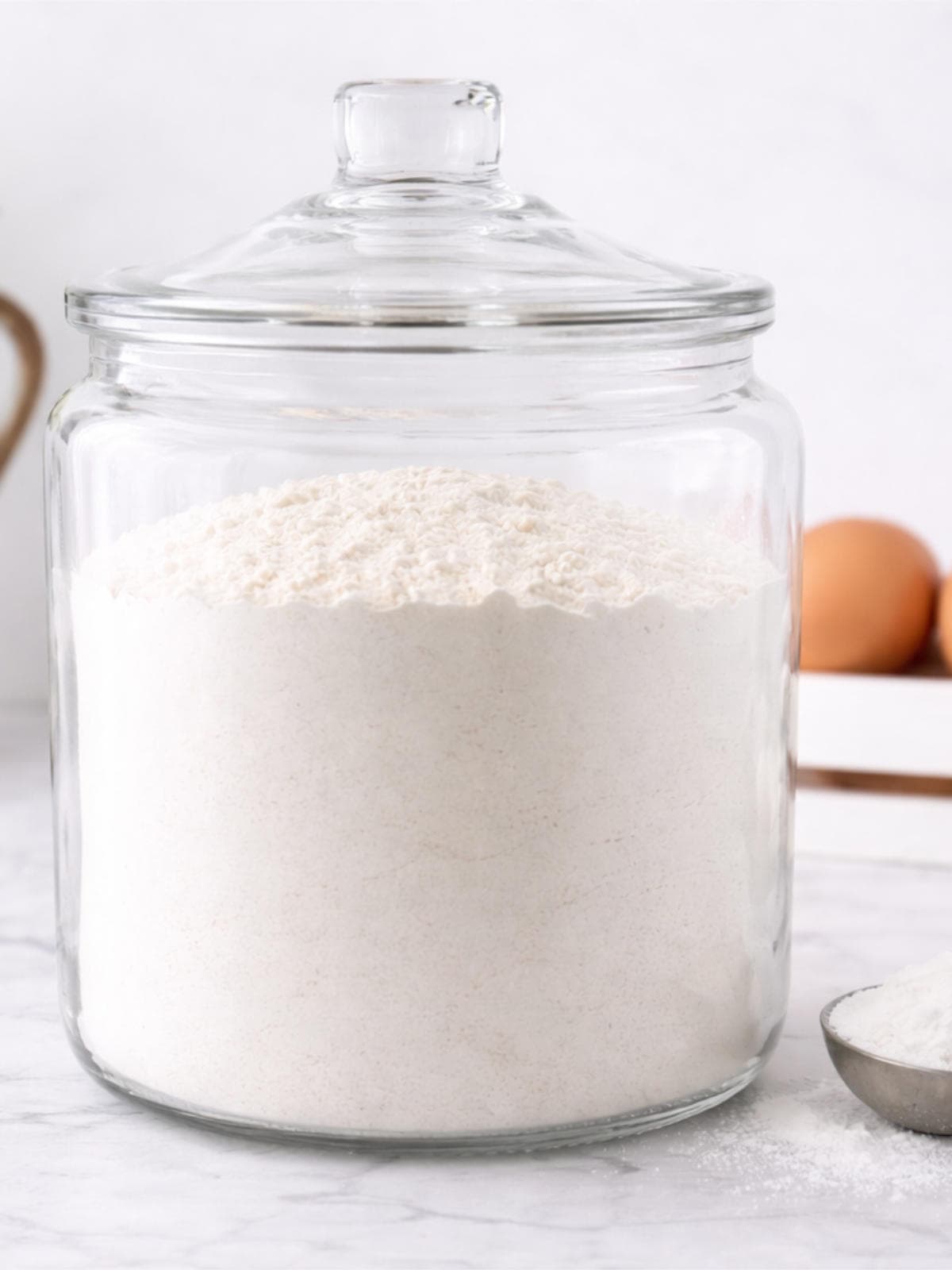
This homemade self rising flour gives you the same structure and lift as store-bought versions without any guesswork. The ratio of flour, baking powder, and salt is balanced so your baked goods rise evenly and bake with a consistent texture. It also gives you more control in your kitchen since you can mix a fresh batch anytime instead of relying on a stored bag that may lose effectiveness over time.
- Quick pantry mix: Uses ingredients you already have on hand.
- Reliable ratios: Gives consistent rise in pancakes, quick breads, and baked goods.
- Make only what you need: No need to store extra flour blends.
Ingredients Overview
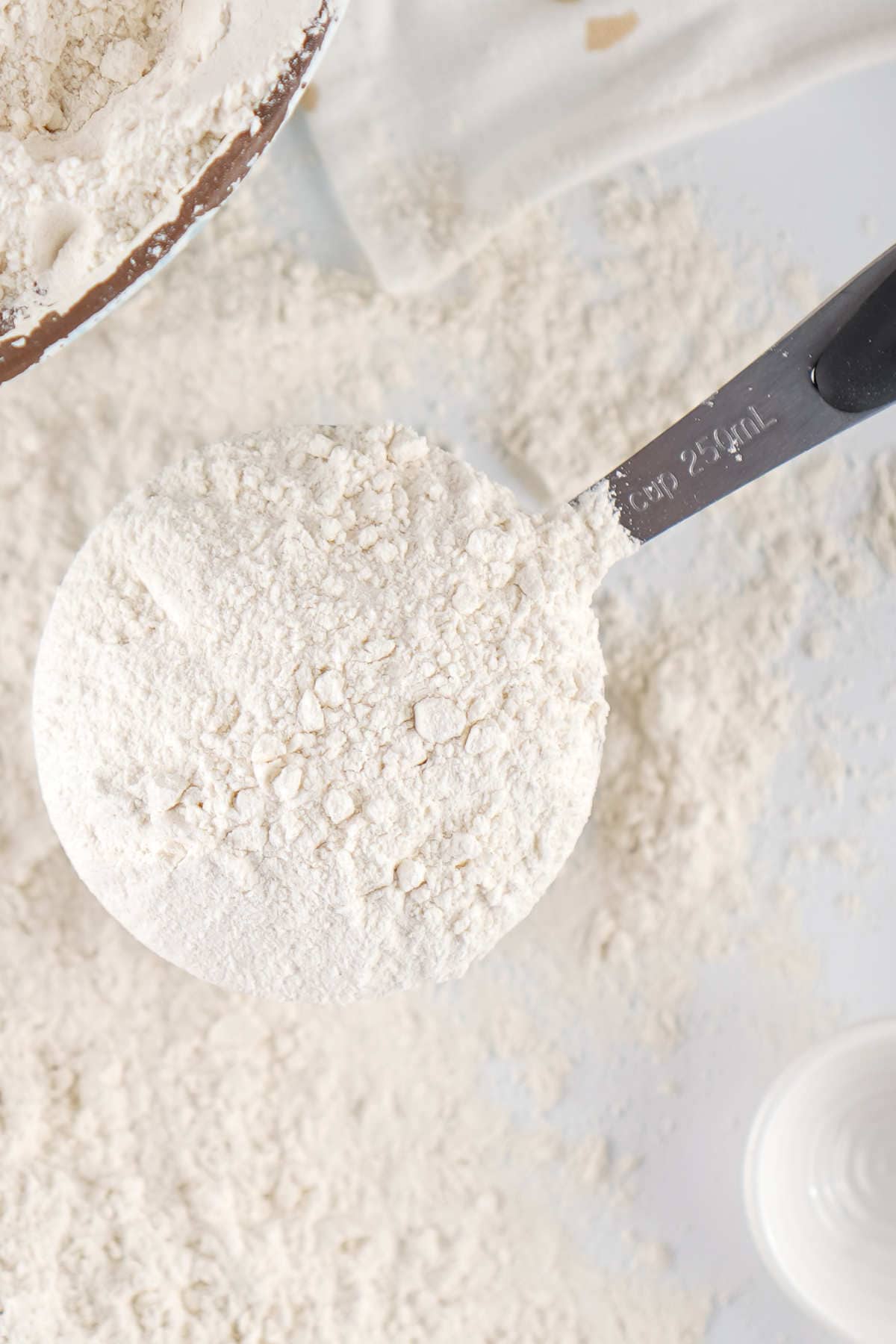
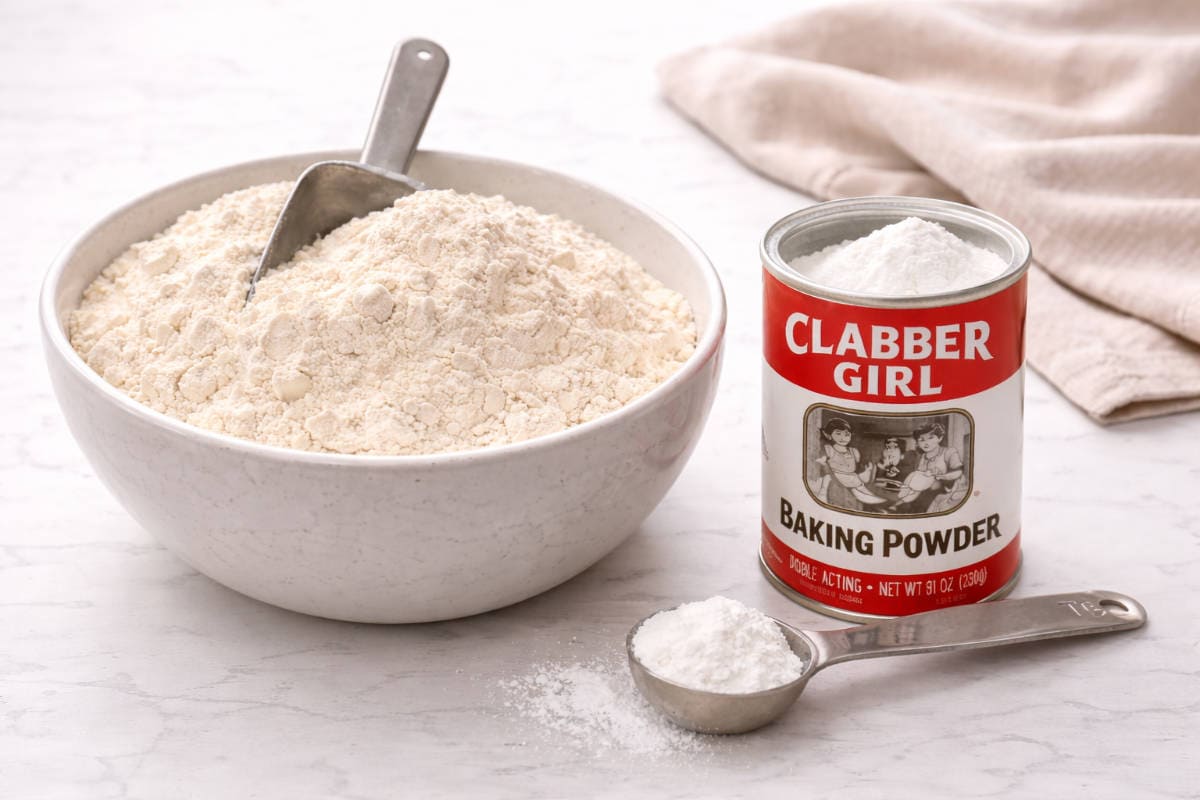
This recipe uses all purpose flour as the base, with baking powder for lift and salt for flavor. The ratio is balanced so it works across a variety of baking recipes without needing adjustments. Using standard pantry ingredients also makes it easy to mix a fresh batch anytime you need it.
Full ingredient amounts and preparation instructions are in the printable recipe card at the bottom of this post.
How To Make Self Rising Flour
This is a simple mix-and-store pantry staple that comes together in minutes. Once combined, you can keep it on hand and use it as needed in your baking recipes. Follow the step-by-step visual guide below for the best results.
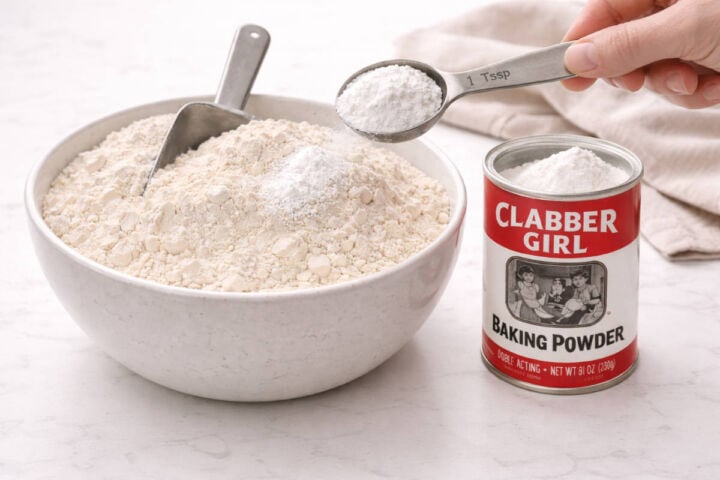
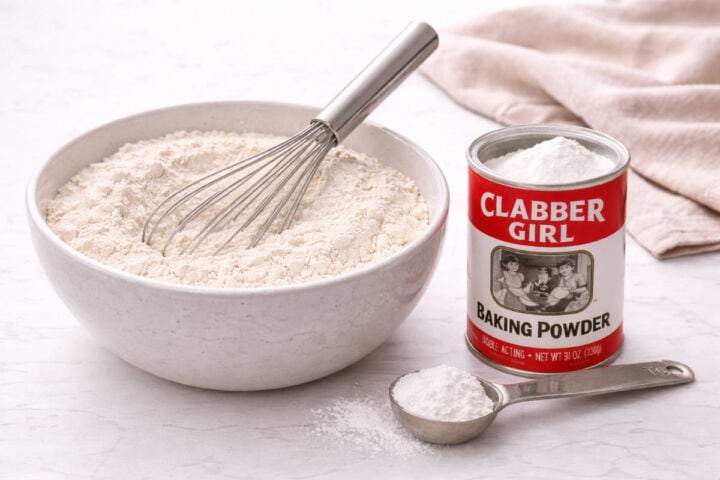
- Add the all-purpose flour to a large mixing bowl. Add the baking powder and salt.
- Using a whisk, mix until evenly combined.
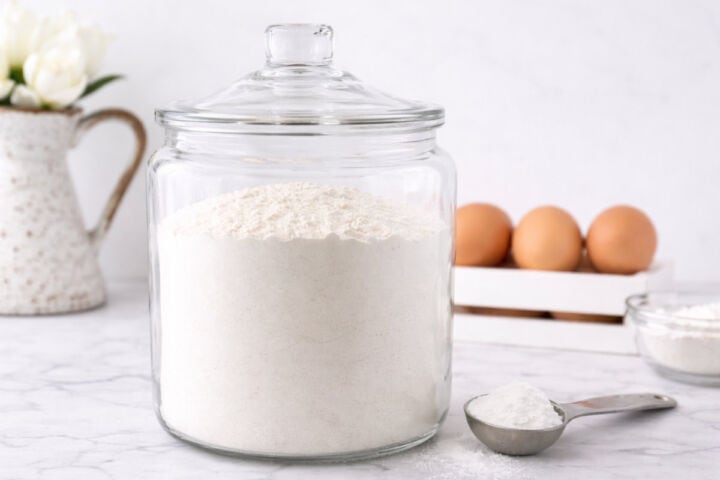
- Transfer the self-rising flour to an airtight container and store in a cool, dry pantry.
Pro Tip
Check that your baking powder is fresh before mixing. If it's been open a while, it may not give your baked goods the lift you expect.
Serving Suggestions
Self rising flour is commonly used in recipes where you want a reliable rise without measuring multiple leavening ingredients. You can use it in recipes like blueberry muffins, lemon poppy seed scones, or Cajun cornbread for consistent results with fewer steps.

Substitutions and Variations
Some useful tips and substitutions when making this recipe:
- Whole wheat option: Substitute part of the flour with whole wheat for a heartier texture.
- Low sodium version: Reduce or omit the salt if needed.
- Gluten free blend: Use a gluten free all purpose flour blend with added baking powder and salt.
- Small batch mix: Scale the recipe down to 1 cup for single-use baking.
Tips for Success
These tips help keep your flour mix consistent and reliable.
- Measure accurately: Spoon and level the flour to avoid packing in too much and making the mix too dense.
- Use fresh baking powder: This ensures your baked goods rise properly and don't fall flat.
- Mix thoroughly: Take a moment to whisk everything evenly so the leavening is distributed throughout.
- Label your container: Helps you quickly tell it apart from plain flour when you're baking.
- Store airtight: Keeps moisture out and helps the mix stay fresh longer.
Storage Options
Store properly to keep your mix fresh and effective.
- Room temperature storage: Keep in an airtight container in a cool, dry place for up to 3 months.
- Avoid humidity: Moisture can activate the baking powder prematurely.
- Do not freeze: Freezing can affect how the baking powder performs.
Related Recipes
- Homemade Pancake Mix
- Fluffy Buttermilk Biscuits
- Easy Drop Biscuits
- Cornbread Muffins
- How To Scale A Recipe
Self rising flour is made from all purpose flour, baking powder, and salt mixed together in specific ratios.
Yes, but you need to reduce or remove baking powder and salt from the recipe to avoid over-leavening.
It can be stored in an airtight container for up to 3 months if kept in a cool, dry place.
Old baking powder or uneven mixing can prevent proper rise.
Yes, you can scale the recipe down proportionally to make only what you need.
Self rising flour typically uses 1 cup of all purpose flour, 1½ teaspoons baking powder, and ¼ teaspoon salt.
It's commonly used in biscuits, pancakes, muffins, and quick breads where you want a consistent rise without adding separate leavening
Stir a small amount into warm water. If it bubbles quickly, it's still active. If not, it should be replaced.
No, it's not recommended. Even if the baking powder has lost strength, it's still part of the original mixture. Adding more can throw off the balance and lead to uneven rise or a bitter taste. It's better to make a fresh batch for reliable results.
Paper bags help prevent moisture buildup during storage and shipping, but they're not meant for long-term storage. Once opened, it's best to transfer the flour to an airtight container to keep it fresh.
Easy Cake Recipes




Get The Recipe!
How To Make Self Rising Flour
Equipment
- Mixing Bowls
Ingredients
- 4 Cups All Purpose Flour
- 2 Tablespoons Baking Powder
- 2 Teaspoons Salt
Instructions
- Combine all ingredients in a medium mixing bowl and mix well.4 Cups All Purpose Flour, 2 Tablespoons Baking Powder, 2 Teaspoons Salt
- Store in an airtight container for up to 3 months, in a cool, dry area.
Notes
- Measure accurately: Spoon and level the flour to avoid packing in too much and making the mix too dense.
- Use fresh baking powder: This ensures your baked goods rise properly and don't fall flat.
- Mix thoroughly: Take a moment to whisk everything evenly so the leavening is distributed throughout.
- Label your container: Helps you quickly tell it apart from plain flour when you're baking.
- Store airtight: Keeps moisture out and helps the mix stay fresh longer.
Nutrition
Pin It For Later ⤵


Kelly Bloom says
Easy to follow and turned out great!