
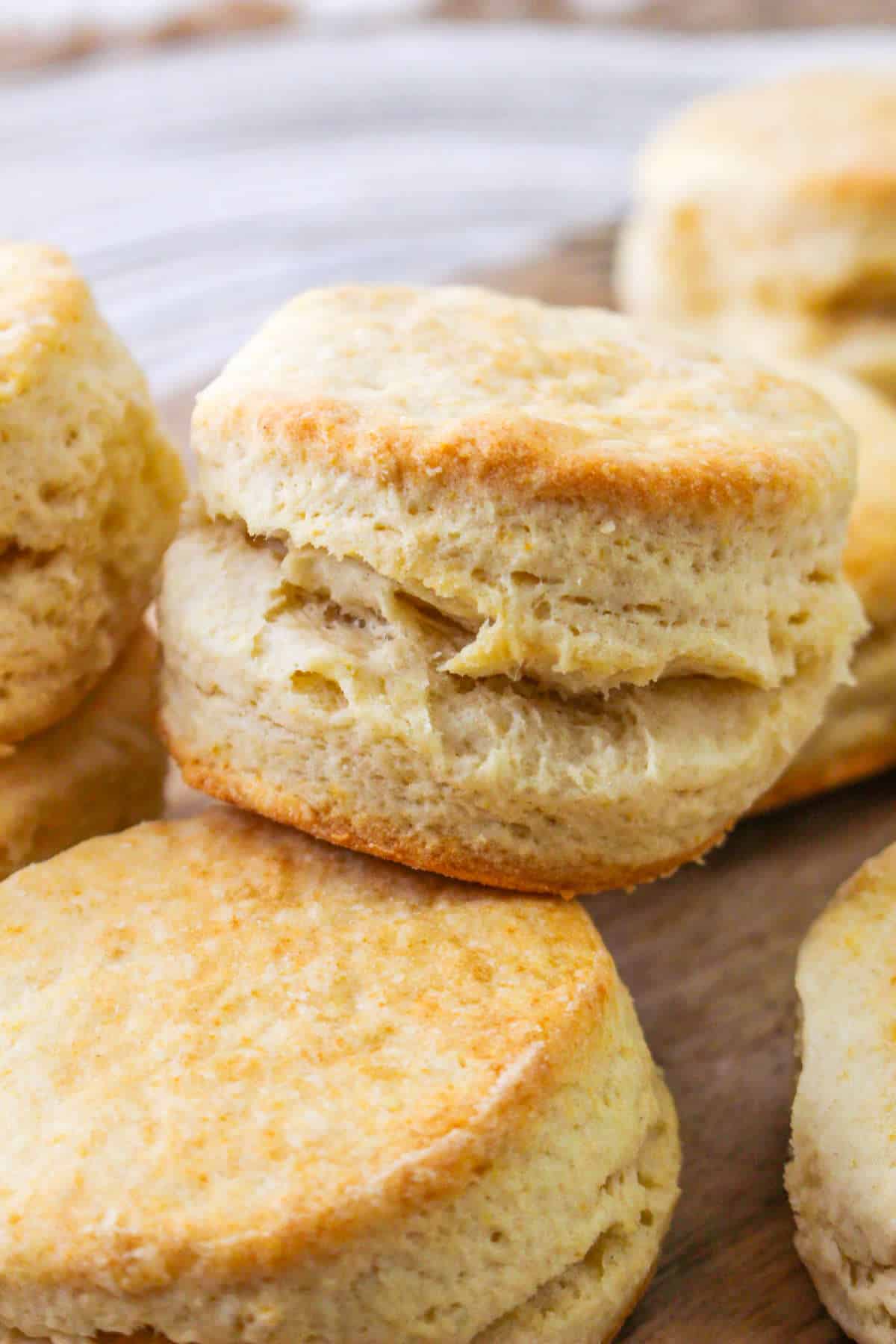
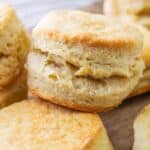
These homemade Old Fashioned Buttermilk Biscuits, with their golden crust and tender, flaky layers, are the perfect companion for a hearty breakfast featuring rich Sausage Gravy and eggs. Serve alongside a Instant Pot Chili (No Beans), or even serving as a base for a sweet berry shortcake.
Why You'll Love This Old Fashioned Buttermilk Biscuits Recipe
Our buttermilk biscuits, bake up flaky and fresh from the oven. This Southern classic makes tender, flaky biscuits your family will love. Simple to make, they bring that home baked warmth and tradition to your table.
- Flaky and Tender Texture: These biscuits boast perfectly flaky layers and a melt-in-your-mouth tenderness, making every bite a delight.
- Simple Ingredients: Made with basic pantry staples, this recipe proves that classic comfort food doesn't require complicated components.
- Homemade Warmth: There's nothing quite like the aroma and taste of freshly baked homemade biscuits, bringing a cozy feeling to any meal.
Ingredients Overview
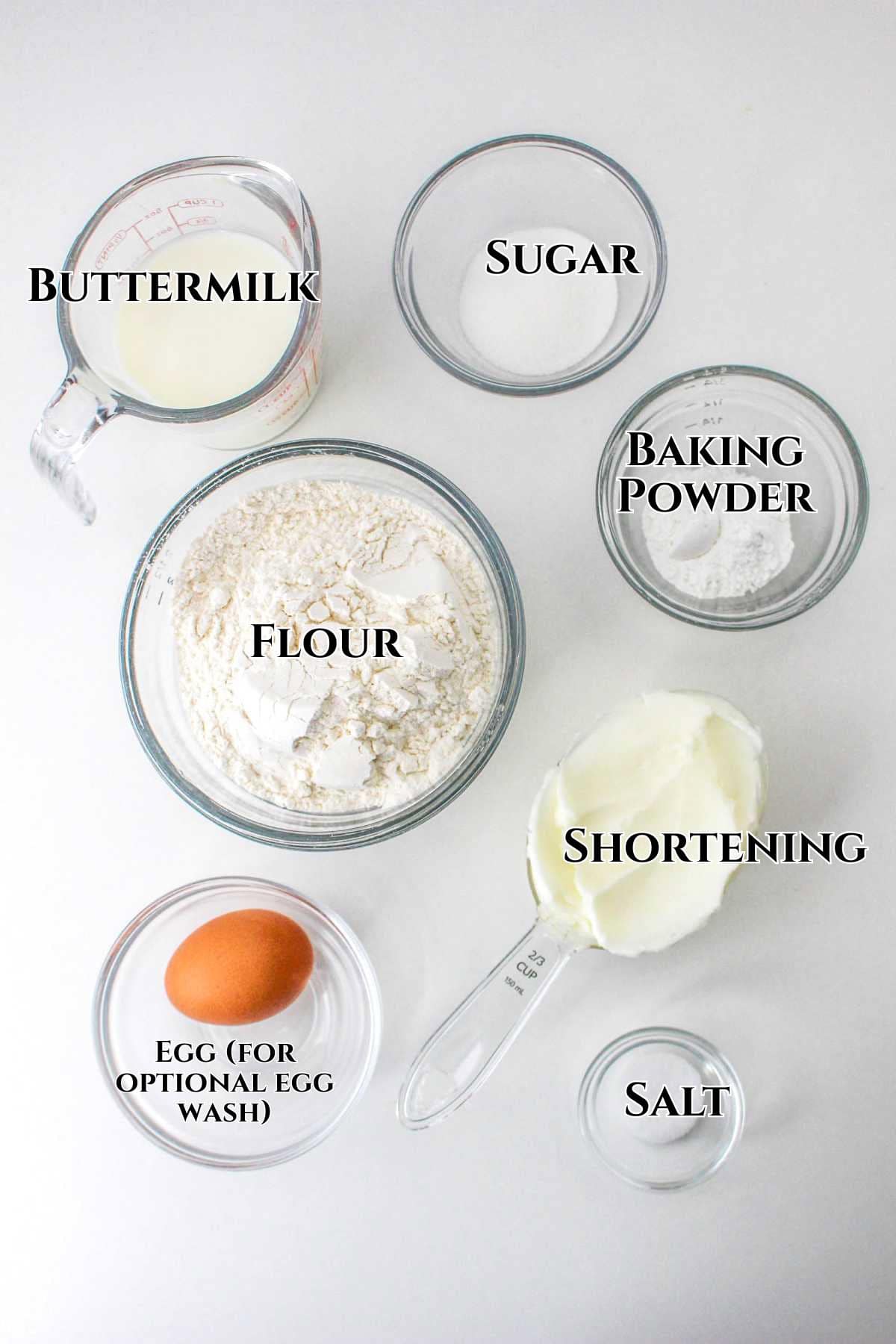
To make these homemade biscuits, start with the Southern classic, Lily's flour. It's a soft wheat variety with less protein, which contributes to a lighter, fluffier biscuit. You'll also need baking powder, sugar, salt, Crisco (or any shortening), and of course buttermilk.
If you prefer using self rising flour, omit the baking powder and salt in the recipe.
Full ingredient amounts and preparation instructions are in the printable recipe card at the bottom of this post.
How To Make Buttermilk Biscuits
To make these biscuits, simply mix up the dough, cut out shapes, and bake them until golden brown and ready to serve.
Step 1: Preheat oven to 400 degrees F (230 degrees C).
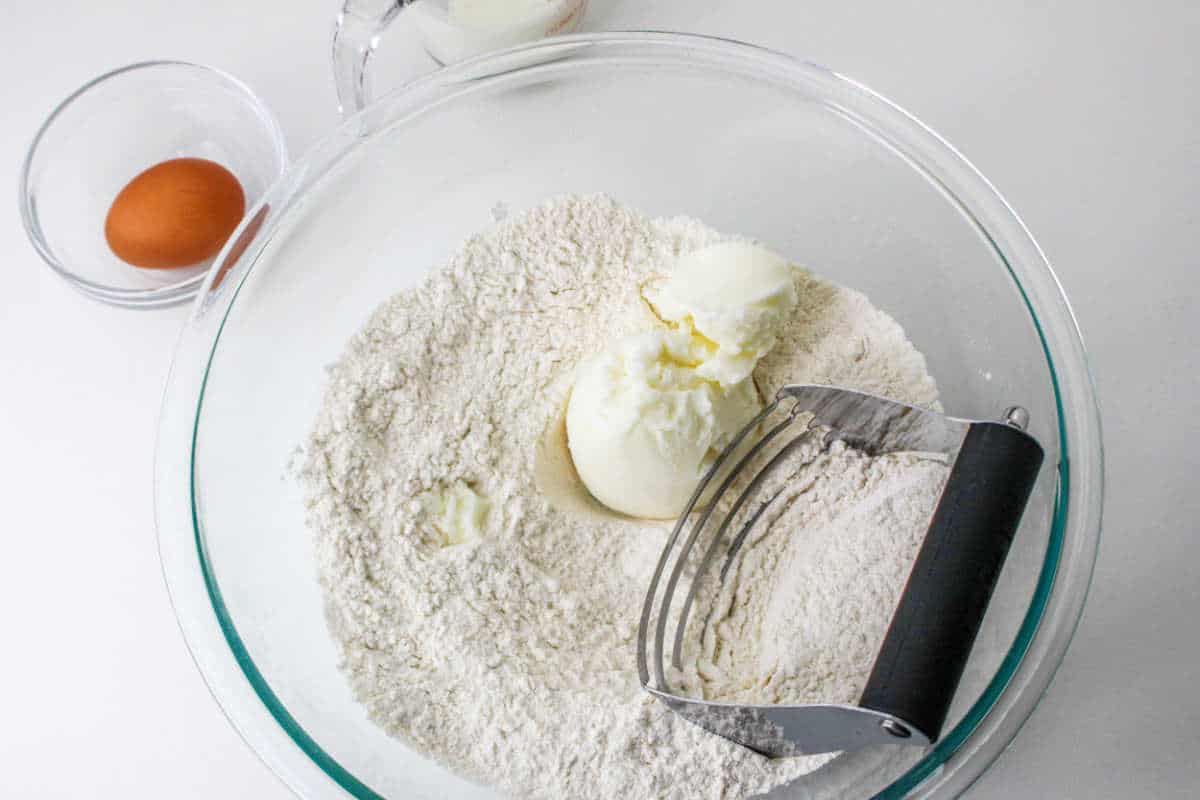
Step 2: In a large bowl, whisk together the flour, baking powder, and salt, then add the shortening.
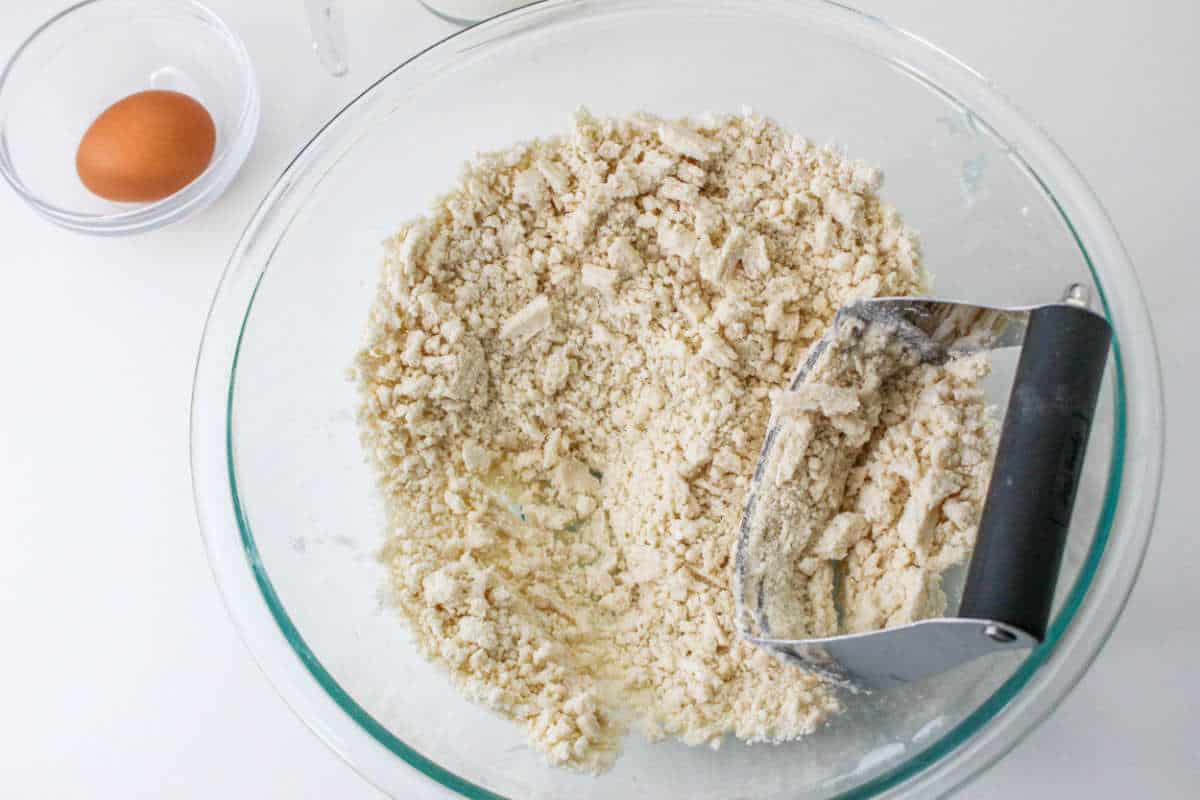
Step 3: Cut the shortening into the flour mixture until it resembles coarse crumbs.
Make sure to use chilled buttermilk. Buttermilk reacts with the baking soda to make light, fluffy biscuits. If you don't have buttermilk, you can mix whole milk and 1 tablespoon of lemon juice or vinegar to make a substitute.
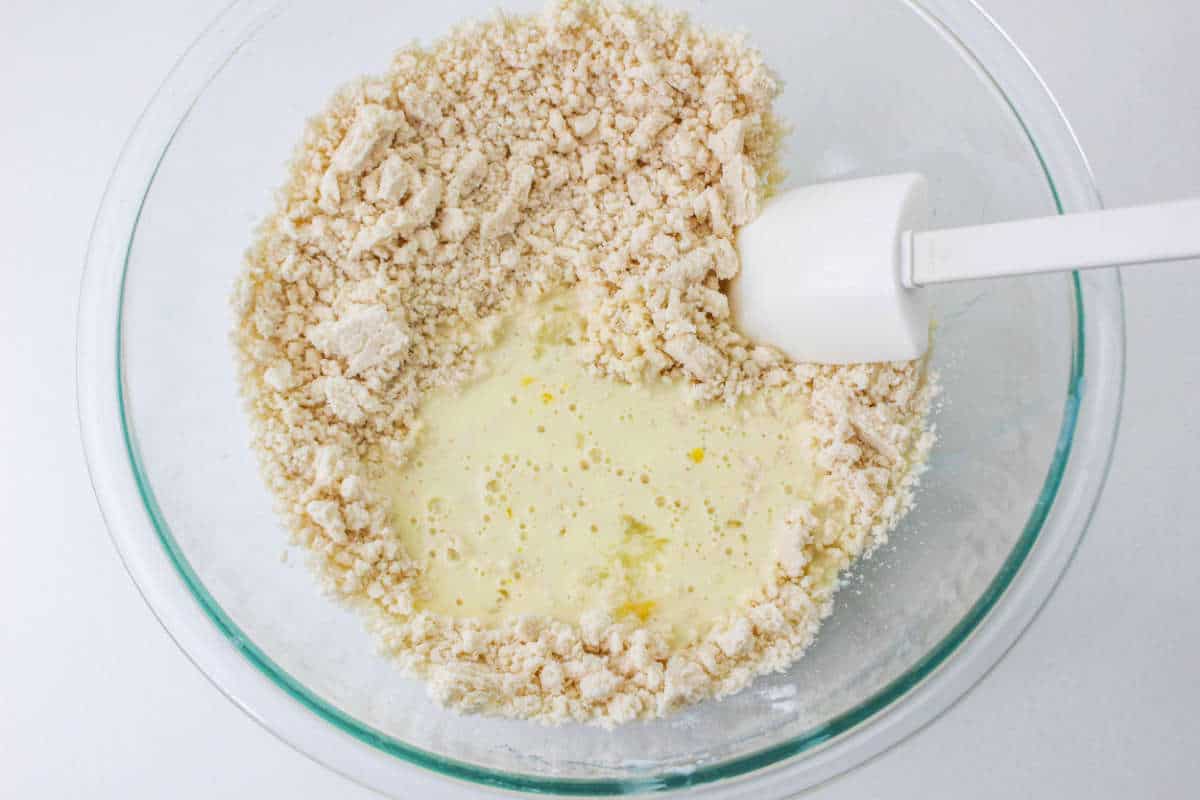
Step 5: Fold the buttermilk into the flour until just combined.
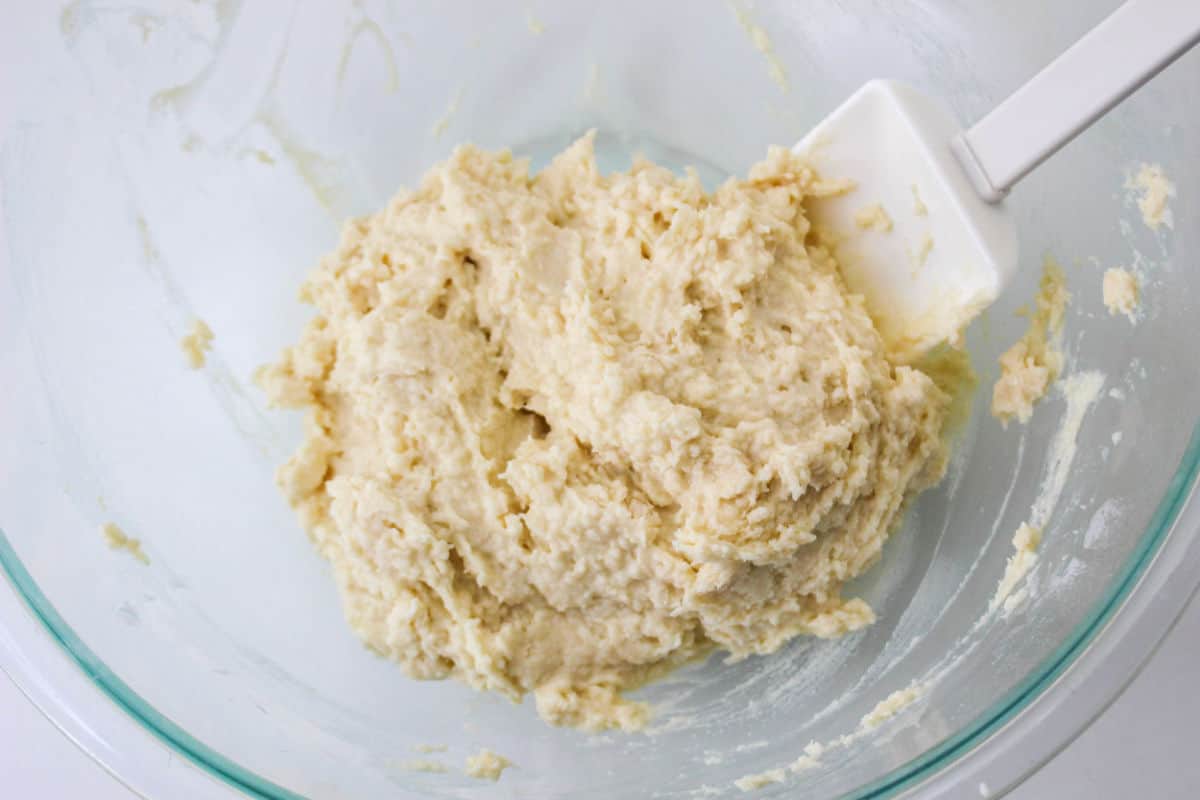
Step 6: Scrape the bowl sides and form a ball.
PRO TIP: If you have time, chill the dough for 30 minutes or so, the result will be even flakier biscuits.
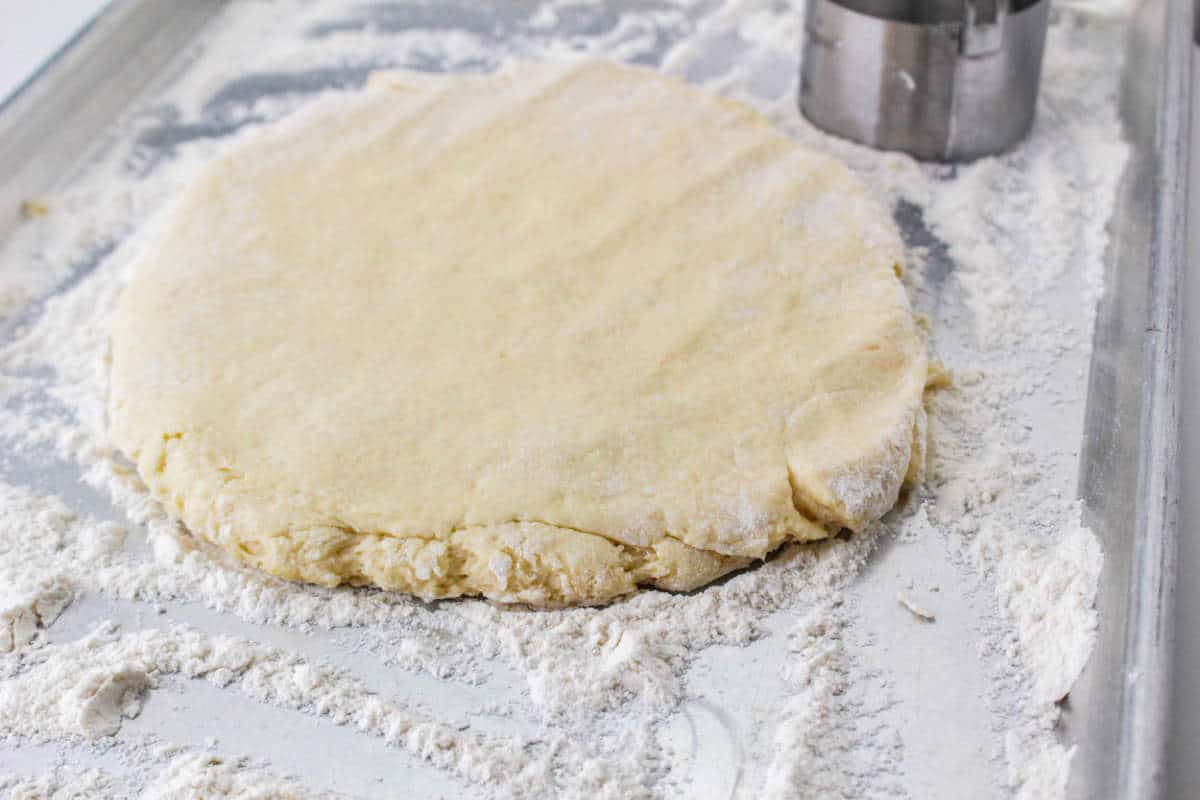
Step 7: Turn out onto a lightly floured surface and knead for 10-12 times, or until the dough comes together. Roll out to ½-inch thickness.
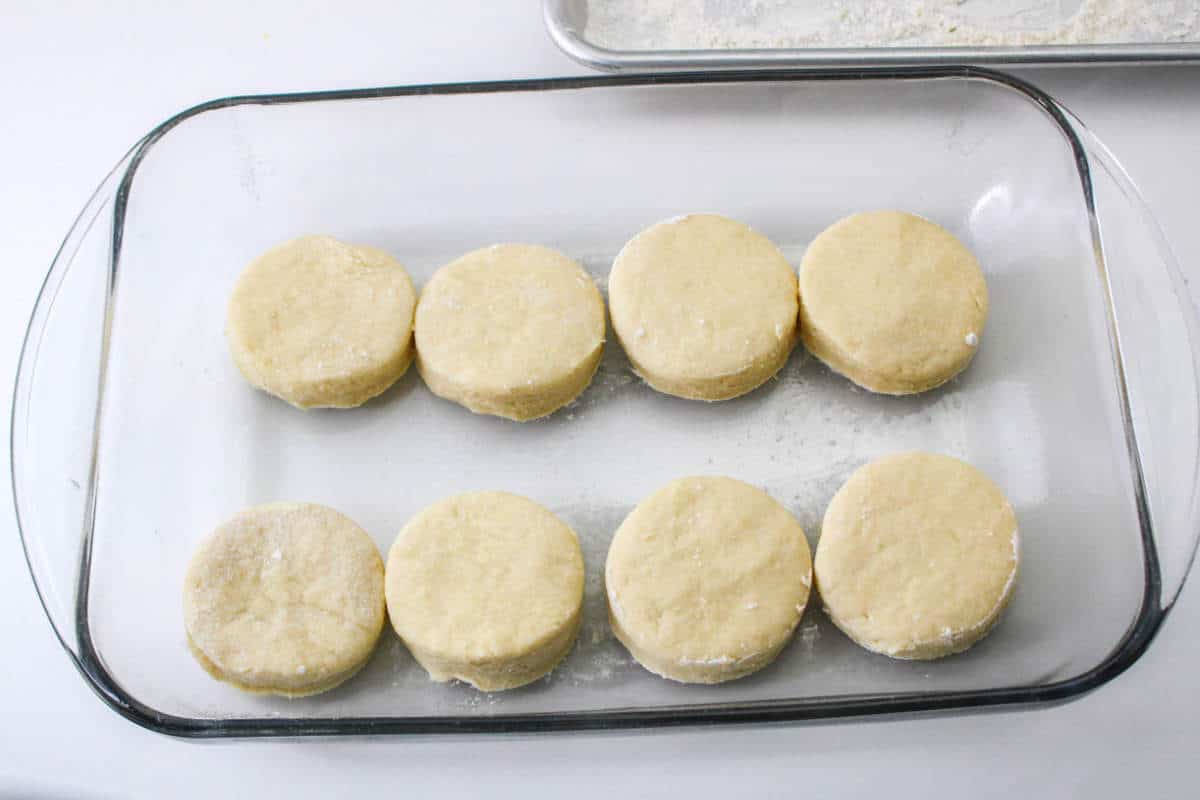
Step 8: Cut out each biscuit using a 2 ½ to 3-inch biscuit cutter. Place the biscuits in a 9x13" baking dish, or cast iron skillet that has been lightly greased or sprayed with nonstick cooking spray.
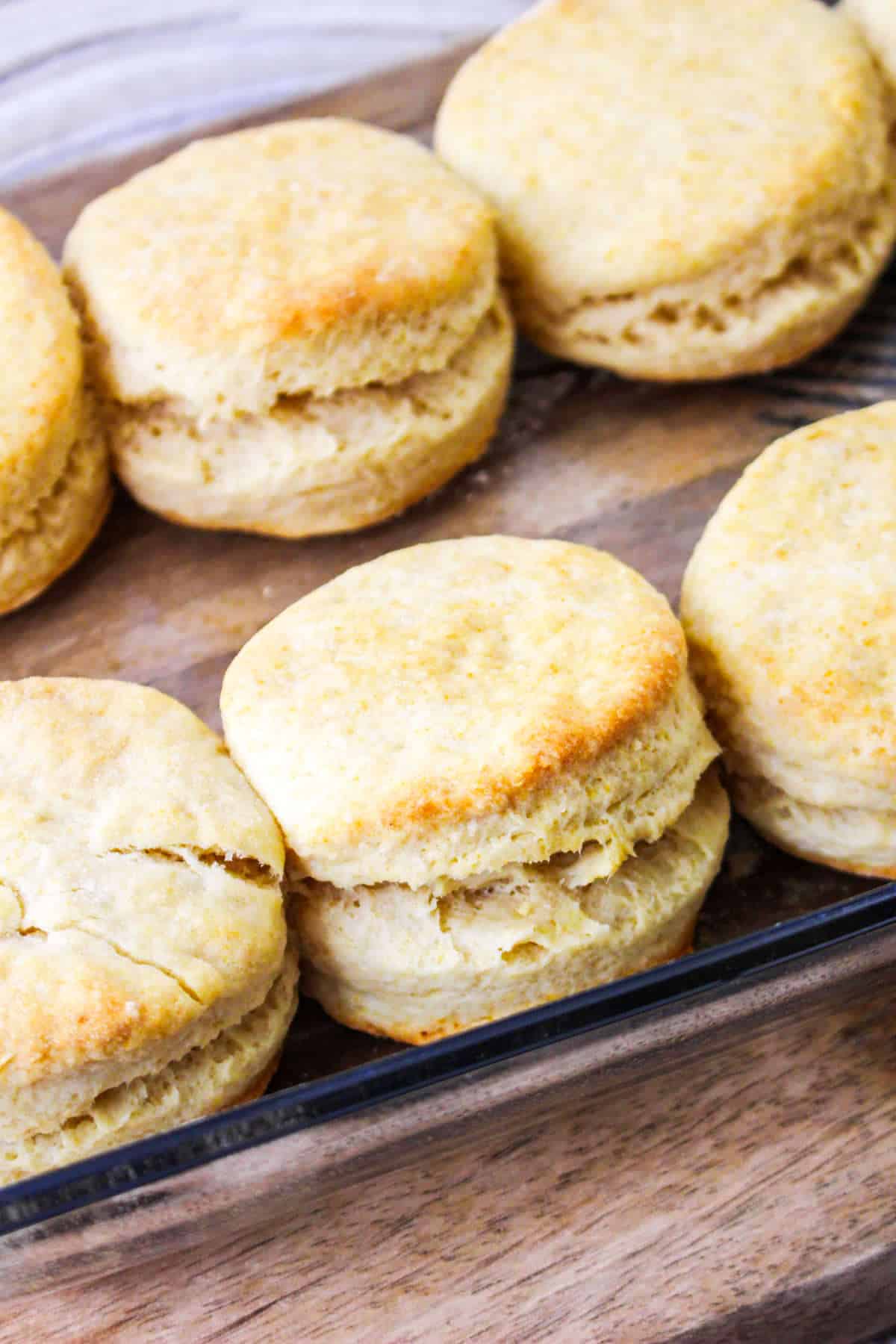
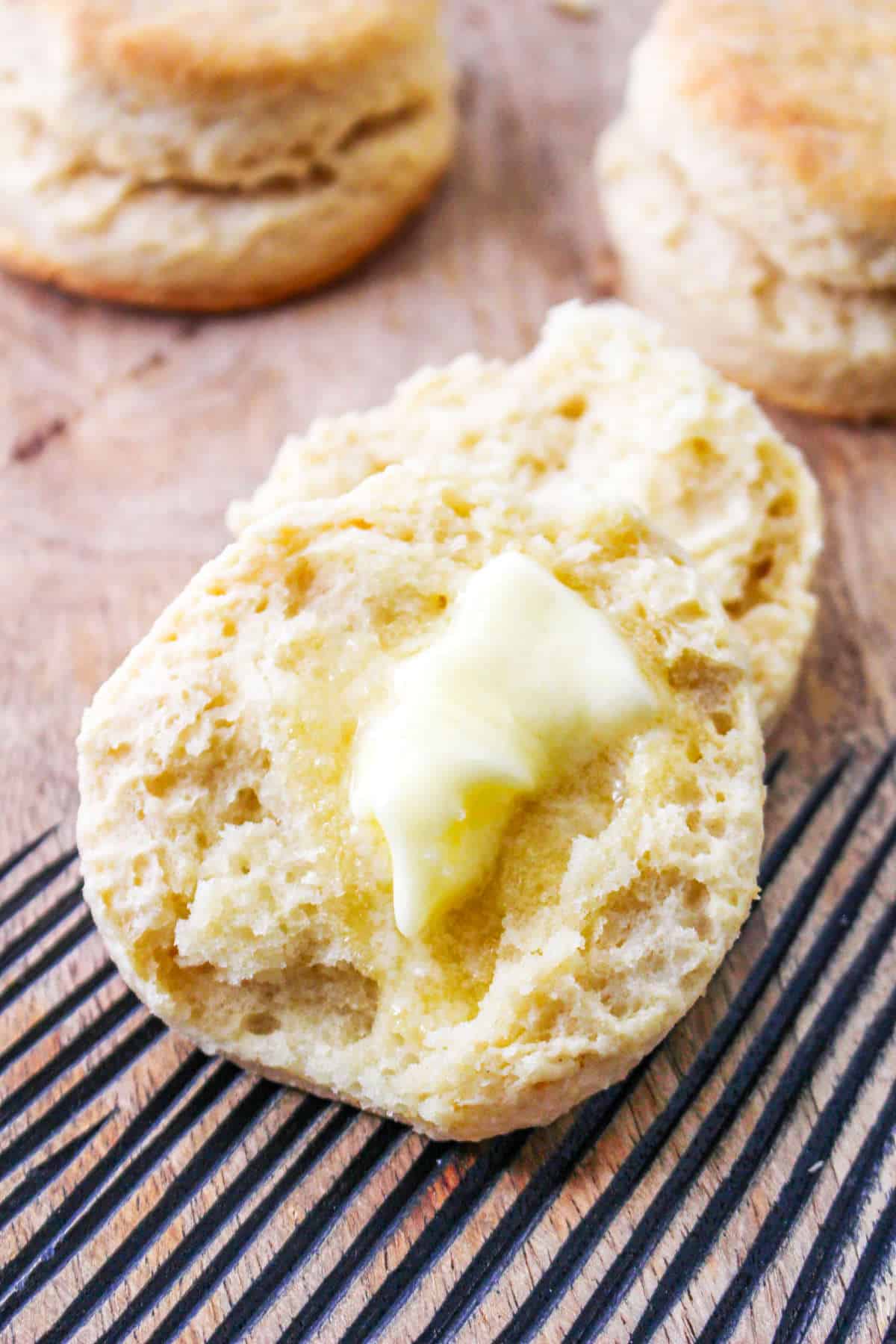
Step 9: Bake for 20-25 minutes, or until golden brown. Serve while warm with butter, honey, or our Texas Steakhouse Honey Butter.
Serving Suggestions
Serve these fluffy buttermilk biscuits warm for breakfast, brunch, or dinner. They're delicious on their own with butter and jam, or alongside hearty dishes like Chicken and Dumplings, crockpot Rump Roast, or Cracker Barrel Broccoli Cheddar Chicken.
For a sweet twist, pair them with homemade marmalade or a drizzle of honey, or turn them into a comforting sandwich with scrambled eggs and sausage.
Substitutions and Variations
Here are a few delicious variations or substitutions when making this recipe.
- Cheese Biscuits: Fold in ½ to 1 cup of shredded cheddar, Monterey Jack, or a blend of your favorite cheeses with the dry ingredients for a savory twist.
- Sweeter for Desserts: For a dessert biscuit perfect for strawberry shortcake, increase the sugar to 2-3 tablespoons and consider adding ½ teaspoon of vanilla extract to the wet ingredients.
- Shortening Variety: While standard solid shortening works well, you can experiment with butter-flavored shortening for a richer taste, or even a blend of half shortening and half cold, cubed butter for a slightly different texture and flavor profile.
Tips for Success
Here are a few tips for making this recipe:
- Keep Ingredients Cold: Ensure your shortening and buttermilk are very cold. This helps create pockets of steam during baking, leading to flaky layers.
- Don't Overmix: Mix the dough just until the ingredients are combined. Overmixing develops the gluten, resulting in tough biscuits.
- Handle Dough Lightly: When patting or rolling out the dough, use a light touch. Excessive handling can make the biscuits dense.
- Flour Your Cutter: Dip your biscuit cutter in flour before each cut. This prevents sticking and helps ensure clean, even cuts. Avoid twisting the cutter, as this can seal the edges and prevent rising.
- Bake on parchment: Line your baking sheet with parchment paper for easy cleanup and to help prevent the bottoms of the biscuits from over-browning.
Storage Options
Some recommended storage options for this recipe are:
- Countertop: Store freshly baked biscuits in an airtight container at room temperature for 1-2 days.
- Refrigerator: For a slightly longer shelf life, place cooled biscuits in an airtight container in the refrigerator for up to 5 days.
- Freezer (Baked Biscuits): Once completely cooled, wrap individual biscuits tightly in plastic wrap, then place them in a freezer-safe bag or container. Freeze for up to 2-3 months. Reheat from frozen in the oven or microwave.
- Freezer (Unbaked Dough): You can freeze the unbaked biscuits for a huge time saver! Place them on a baking sheet lined with parchment paper and freeze until solid. Then transfer to a freezer-safe bag. Bake directly from frozen, adding a few extra minutes to the baking time.
Related Recipes
- Cheddar Drop Biscuits
- Old Fashioned Stuffed Peppers
- Collard Greens in the Crockpot
- Air Fryer Cabbage
- Fat Tuesday Paczki - (Polish Donuts)
Frequently Asked Questions
Biscuits often become tough from overmixing the dough, which develops the gluten too much. Handle the dough as little as possible.
Ensure your leavening agents (baking powder, baking soda, cream of tartar) are fresh. Also, a light touch when handling the dough, not twisting the cutter, and using cold ingredients all contribute to a good rise.
Use full-fat buttermilk for the richest flavor and best texture. If you don't have buttermilk, you can make a substitute by adding a tablespoon of lemon juice or white vinegar to regular milk and letting it sit for 5 minutes.
While this recipe uses shortening for its tenderness, you can use very cold, cubed butter. It will result in a slightly different texture and flavor.
Southern style Recipes

Get The Recipe!
Homemade Buttermilk Biscuits
Equipment
- Ceramic 9x13 Casserole Dish
- 9 inch Round Cast Iron Skillet
Ingredients
- 2 cup flour
- 1½ teaspoon baking powder
- 1 tablespoon sugar optional
- ¾ teaspoon salt
- ½ cup vegetable shortening Crisco or any brand
- ⅔ cup milk
Instructions
- Preheat oven to 400 degrees F (230 degrees C).
- In a large bowl, whisk together the flour, baking powder, and salt, then add the Crisco.2 cup flour, 1½ teaspoon baking powder, 1 tablespoon sugar, ¾ teaspoon salt, ½ cup vegetable shortening
- Cut in the Crisco shortening until the mixture resembles coarse crumbs.
- Fold the buttermilk into the flour mixture and fold together until just combined.⅔ cup milk
- Scrape the bowl sides and form a ball.PRO TIP: For the flakiest biscuits chill for 20 to 30 minutes in the refrigerator before rolling out the dough.
- Turn the dough out onto a lightly floured surface and knead for 10-12 times, or until the dough comes together.
- Roll out the dough to ½-inch thickness.
- Cut out biscuits using a 2 ½ to 3-inch biscuit cutter.
- Place the biscuits in a 9x13" baking dish, or cast iron skillet that has been lightly greased or sprayed with nonstick cooking spray.
- Bake for 20-25 minutes, or until golden brown. Serve while warm.
Notes
- Keep Ingredients Cold: Ensure your shortening and buttermilk are very cold. This helps create pockets of steam during baking, leading to flaky layers.
- Don't Overmix: Mix the dough just until the ingredients are combined. Overmixing develops the gluten, resulting in tough biscuits.
- Handle Dough Lightly: When patting or rolling out the dough, use a light touch. Excessive handling can make the biscuits dense.
- Flour Your Cutter: Dip your biscuit cutter in flour before each cut. This prevents sticking and helps ensure clean, even cuts. Avoid twisting the cutter, as this can seal the edges and prevent rising.
- Bake on parchment: Line your baking sheet with parchment paper for easy cleanup and to help prevent the bottoms of the biscuits from over-browning.
Carolyn says
Wow, these are perfect and so easy. I've tried to find the perfect biscuit recipe for years and here it is! Thank you. My only comment is that rolling it to 1" instead of 1/2" seemed to create the beautiful rise I want from my biscuits, so from now on I'm doubling the recipe. Thank you!