

This Lebanese labneh recipe turns plain yogurt into a thick, tangy Middle Eastern yogurt cheese with just yogurt, salt, and time. It is creamy, spreadable, and perfect with pita as part of a simple mezze.

Jump to:
- Why This Labneh Recipe Works
- What Is Labneh (Strained Yogurt Cheese)?
- How Straining Turns Yogurt Into Labneh
- Labneh vs Yogurt vs Greek Yogurt
- Ingredients Overview
- Why Salt Is Used When Making Labneh
- Tools Needed to Make Labneh
- How to Make Labneh Cheese from Yogurt
- How Long Should Labneh Drain?
- What Does Labneh Taste Like?
- Serving Suggestions
- Substitutions and Variations
- Tips for Success
- How Long Does Homemade Labneh Last?
- Related Recipes
- Frequently Asked Questions
- More Middle Eastern Recipes
- Get The Recipe!
Why This Labneh Recipe Works
This traditional Lebanese method uses salted yogurt and slow straining to create a thick, creamy spread with a gentle tang. The small amount of salt helps season the labneh while drawing out whey as it drains. The longer the yogurt strains, the thicker and richer the finished labneh becomes.
- Traditional method: A traditional labneh recipe uses salted yogurt and slow straining, the same technique used throughout Lebanon and the Levant.
- Simple ingredients: Only yogurt and salt are needed to make this classic spread.
- Flexible texture: Drain time determines whether the labneh is soft and spreadable or firm enough to roll into balls.
- Great for mezze platters: Labneh pairs well with pita, olives, roasted vegetables, and grilled meats.
- Naturally versatile: It works as a dip, spread, or creamy topping for savory dishes.
What Is Labneh (Strained Yogurt Cheese)?
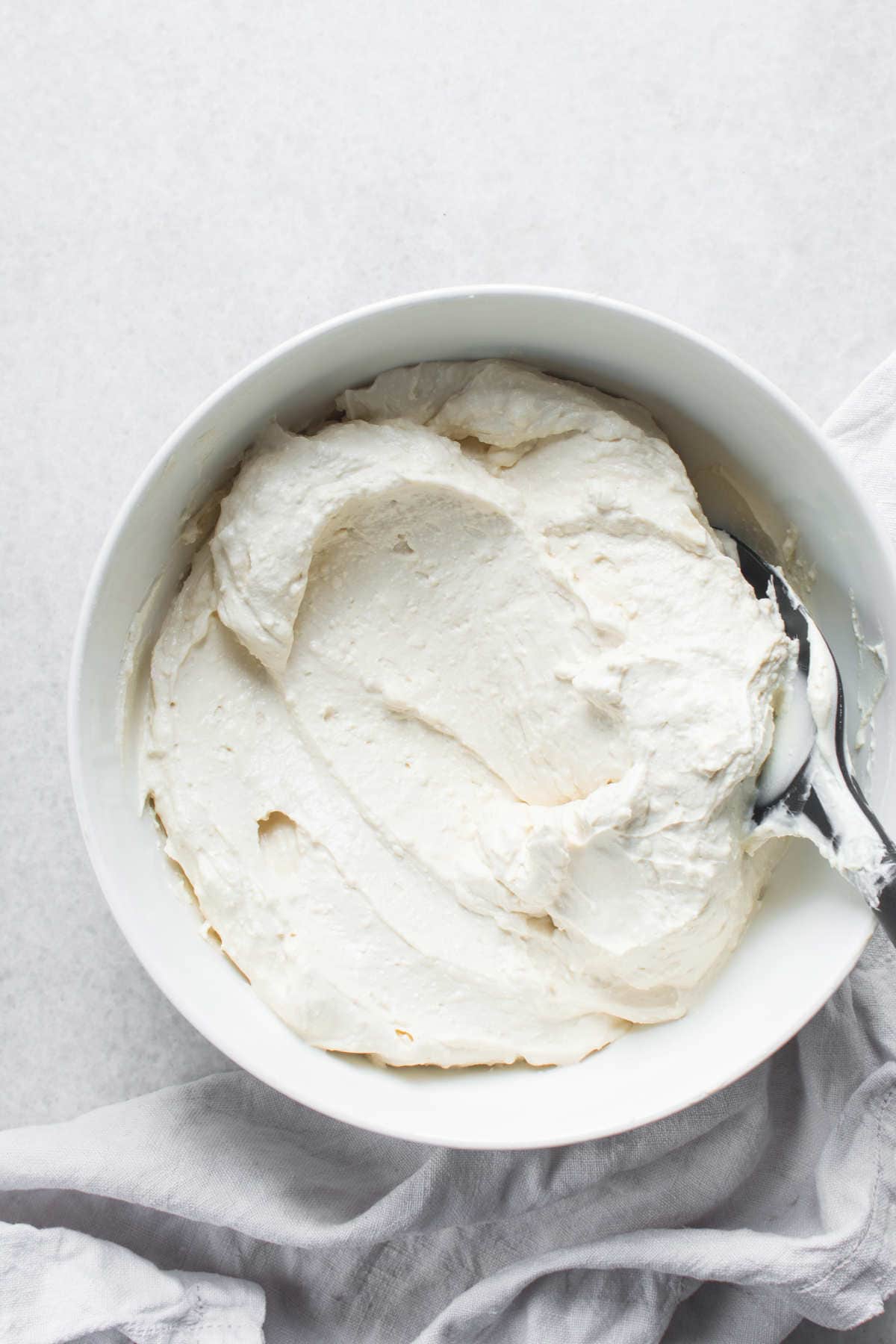
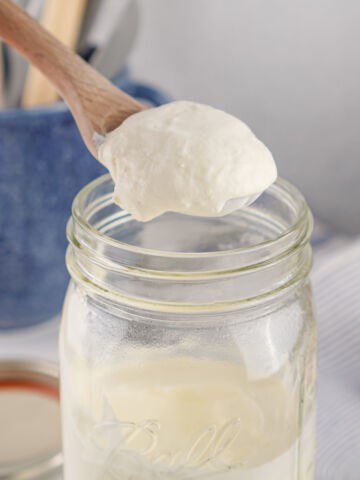
Labneh is a traditional labneh cheese, a Middle Eastern strained yogurt cheese made by draining yogurt until most of the whey has been removed. The process concentrates the milk solids, creating a thick, creamy spread with a mild tang.
Labneh is widely eaten across Lebanon, Syria, Jordan, and surrounding regions. It is often served as part of a mezze spread with olive oil, olives, vegetables, and warm flatbread.
Because labneh starts with yogurt, it retains the cultured flavor and creamy texture of yogurt while becoming thick enough to spread like soft cheese. Depending on how long it drains, labneh can range from a soft dip to a firm cheese that can be rolled into balls and preserved in olive oil.
How Straining Turns Yogurt Into Labneh
Labneh is created when yogurt is slowly strained so the liquid whey drains away from the milk solids. As the whey separates, the yogurt becomes thicker and more concentrated.
The longer the yogurt drains, the firmer the labneh becomes. Short draining times produce a soft spread similar to thick yogurt, while longer draining creates a dense cheese that can be shaped or rolled into balls.
Salt helps the process by drawing moisture out of the yogurt, which encourages whey to drain more efficiently.
Labneh vs Yogurt vs Greek Yogurt
Labneh starts as yogurt but becomes thicker as whey drains away. The straining process changes both the texture and flavor.
| Food | Texture | How It's Made | Common Uses |
|---|---|---|---|
| Yogurt | Creamy and pourable | Milk fermented with live cultures | Breakfast bowls, smoothies |
| Greek Yogurt | Thick and spoonable | Yogurt that has been partially strained | Cooking, dips, breakfast |
| Labneh | Very thick and spreadable | Yogurt salted and strained longer | Mezze spreads, sandwiches, dips |
Ingredients Overview
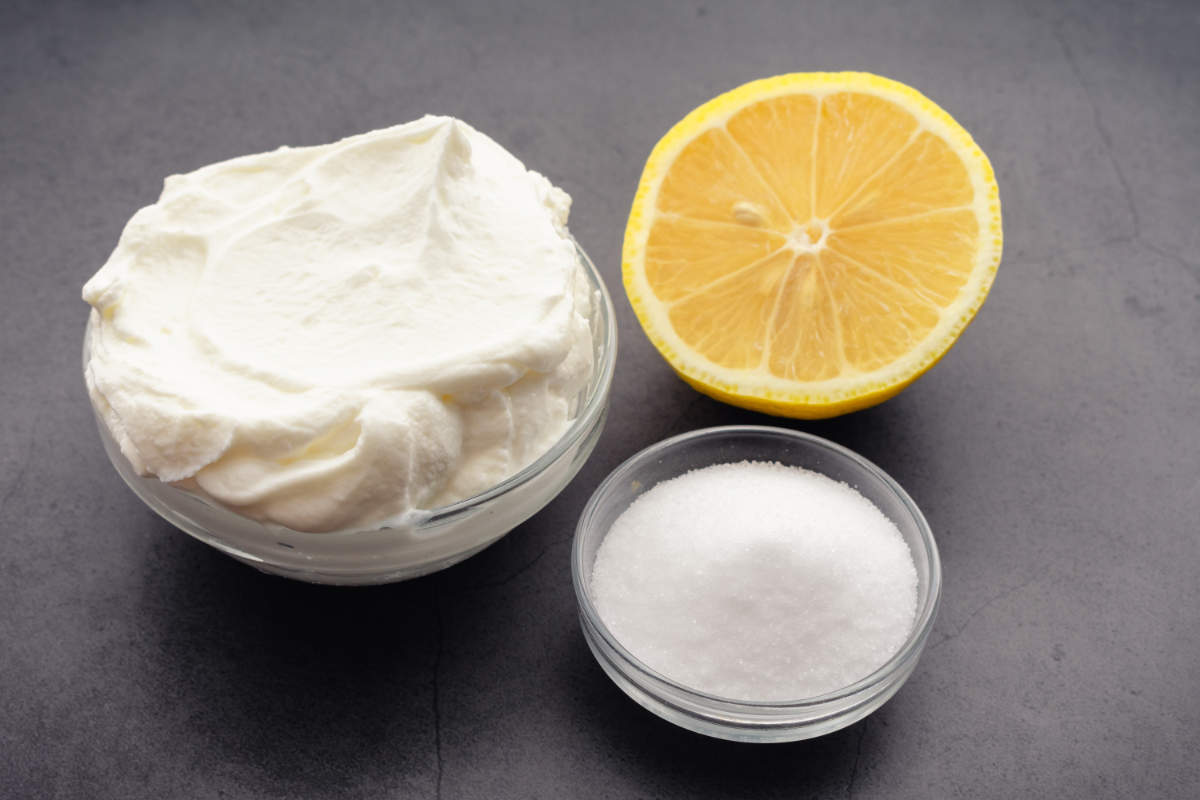
Labneh is traditionally made from plain whole milk yogurt that contains live cultures. A small amount of salt is stirred into the yogurt before straining, which seasons the labneh and helps draw out the whey as it drains. Using whole milk yogurt gives the finished labneh its smooth, creamy texture.
Ingredients for this Labneh recipe
- 4 cups plain whole milk yogurt
- 1 teaspoon salt
Using four cups of yogurt makes about one to one and a half cups of finished labneh, which is a good amount for serving as a dip or spread for a family meal.
Pro Tip
Use whole milk yogurt: Whole milk yogurt produces a smoother, creamier labneh than low fat yogurt.
See the recipe card below for full ingredients and instructions.
Why Salt Is Used When Making Labneh
Salt plays two important roles in traditional labneh.
First, it seasons the yogurt so the finished labneh has balanced flavor. Without salt, the strained yogurt can taste flat.
Second, salt helps draw moisture from the yogurt during the straining process. This encourages whey to drain more efficiently and helps the yogurt thicken into a creamy spread.
Traditional Lebanese labneh recipes typically use about 1 percent salt by weight of the yogurt. For home cooking, this works out to roughly 1 teaspoon of salt for 4 cups of yogurt, which produces well seasoned labneh without making it overly salty.
Tools Needed to Make Labneh
Making labneh requires only a few basic kitchen tools. The most important piece of equipment is a breathable cloth that allows whey to drain away from the yogurt while keeping the yogurt solids contained.
- Fine mesh strainer or colander: Supports the yogurt while whey drains into the bowl underneath.
- Cheesecloth or cotton kitchen towel: Holds the yogurt while allowing liquid whey to pass through.
- Large bowl: Catches the whey as the yogurt strains.
- Rubber band or kitchen string: Helps secure the cloth around the yogurt bundle if you prefer tying it closed.
- Airtight storage container: Keeps the finished labneh fresh in the refrigerator.
Many home cooks simply line a strainer with a clean kitchen towel and place it over a bowl in the refrigerator. This simple setup works just as well as specialty equipment.
How to Make Labneh Cheese from Yogurt
Labneh is made by salting yogurt and allowing it to slowly strain through a cloth until most of the whey drains away. As the whey separates, the yogurt thickens into a creamy spread that is traditionally served with olive oil and pita.
See the Step-by-Step visual instructions below.
- Stir the salt into the yogurt until it is evenly combined.
- Line a fine mesh strainer or colander with cheesecloth or a clean cotton kitchen towel. Place the strainer over a bowl.
- Spoon the salted yogurt into the lined strainer.
- Gather the cloth around the yogurt and gently tie or twist it closed.
- Refrigerate the yogurt while it drains for 24 to 36 hours, depending on how thick you want the labneh.
- Once thickened, transfer the labneh to a serving bowl or storage container.
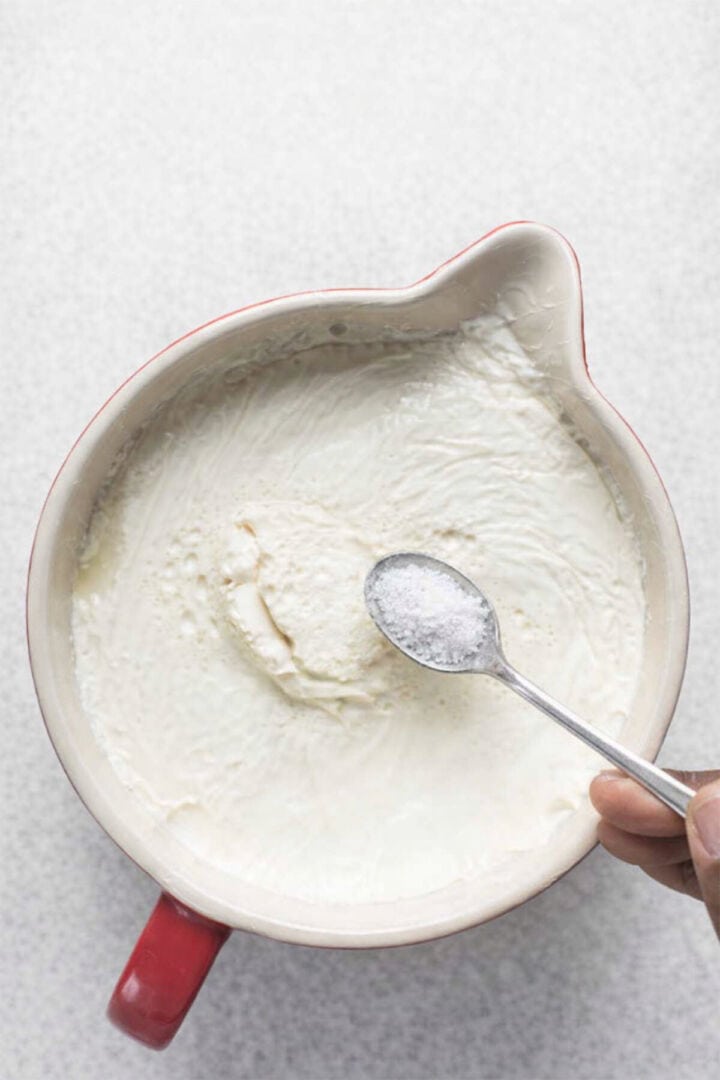
Yogurt Mixed with Salt
Bowl of yogurt with salt being stirred in.
Yogurt Added to Cheesecloth
Pouring yogurt into the lined strainer.
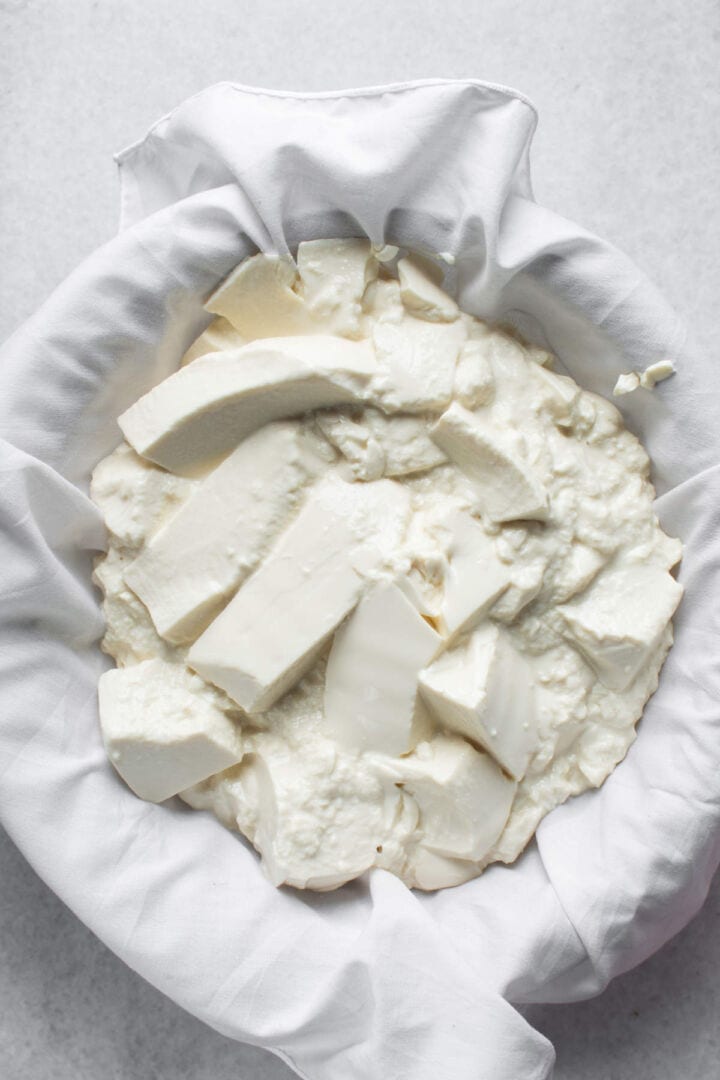
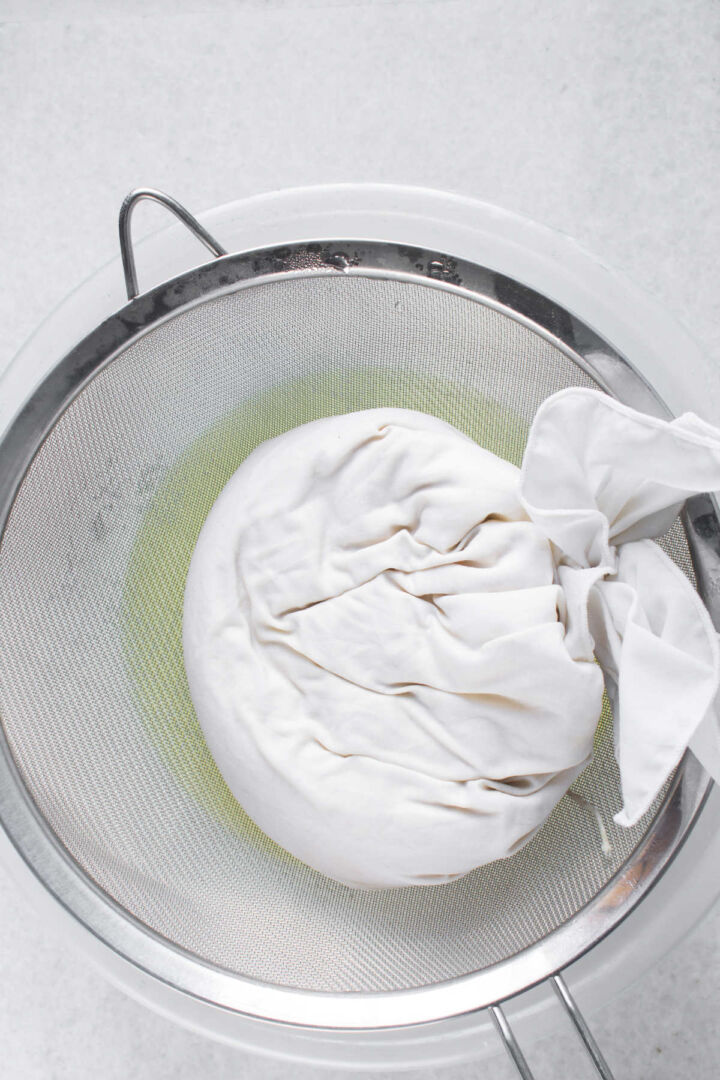
Yogurt Bundle Before Straining
Cloth tied or folded around yogurt.
Yogurt Draining in Strainer
Strainer sitting over bowl collecting whey.
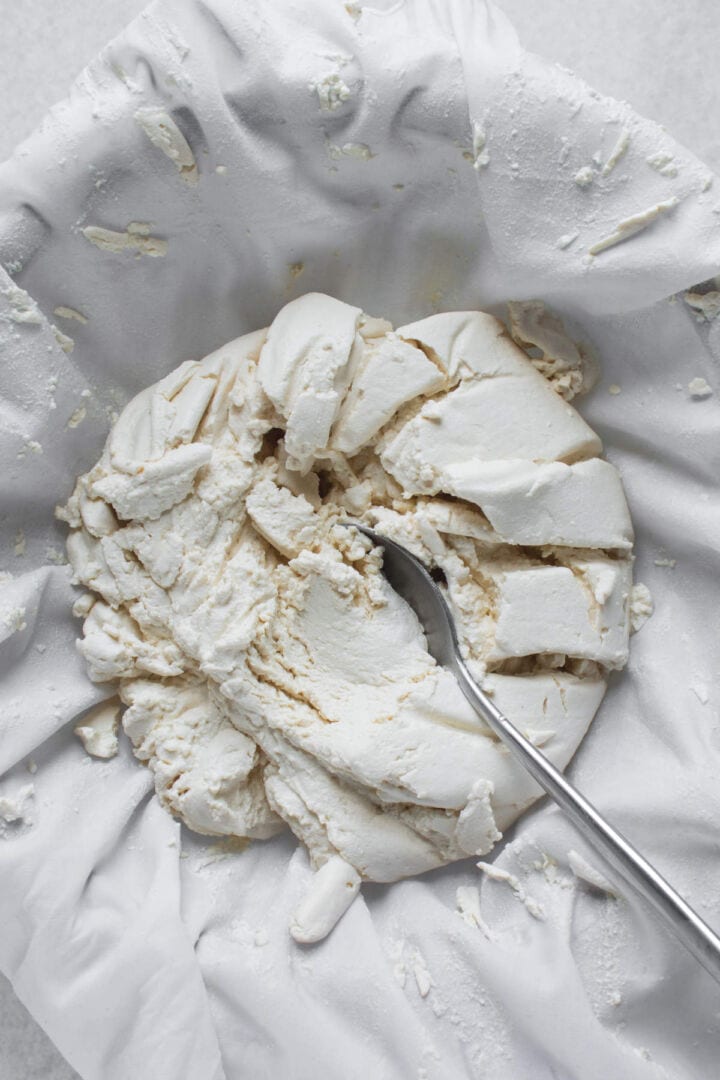
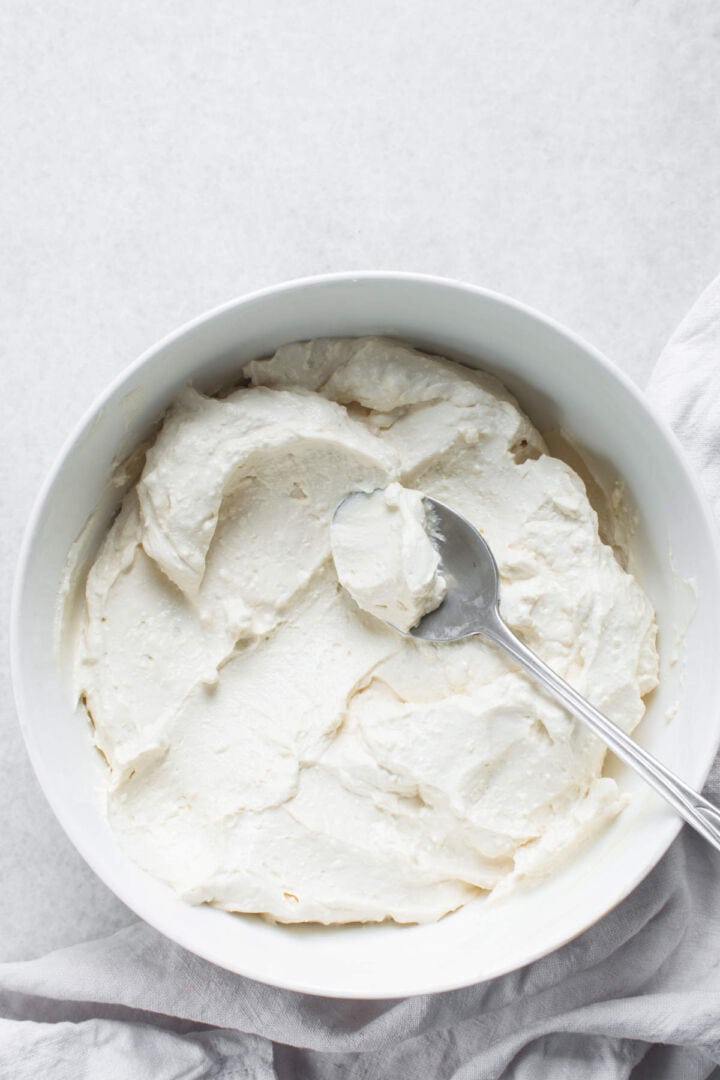
Finished Labneh After Straining
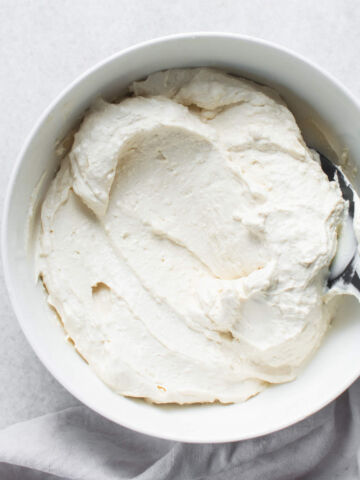
Very thick yogurt in bowl before plating.
Pro Tip
Control the thickness: Drain the yogurt for 24 hours for a spreadable labneh or up to 48 hours for a thicker cheese that can be rolled into balls.
How Long Should Labneh Drain?
Labneh usually drains about 24 hours for a classic spreadable texture, though shorter or longer drain times will change the thickness.
- 12 to 18 hours: Thick yogurt consistency, similar to Greek yogurt.
- 24 hours: Classic spreadable labneh texture.
- 36 to 48 hours: Thick enough to shape into balls.
The yogurt should drain in the refrigerator so it stays fresh during the process. Yogurt becomes thick Lebanese labneh after slowly draining the whey.
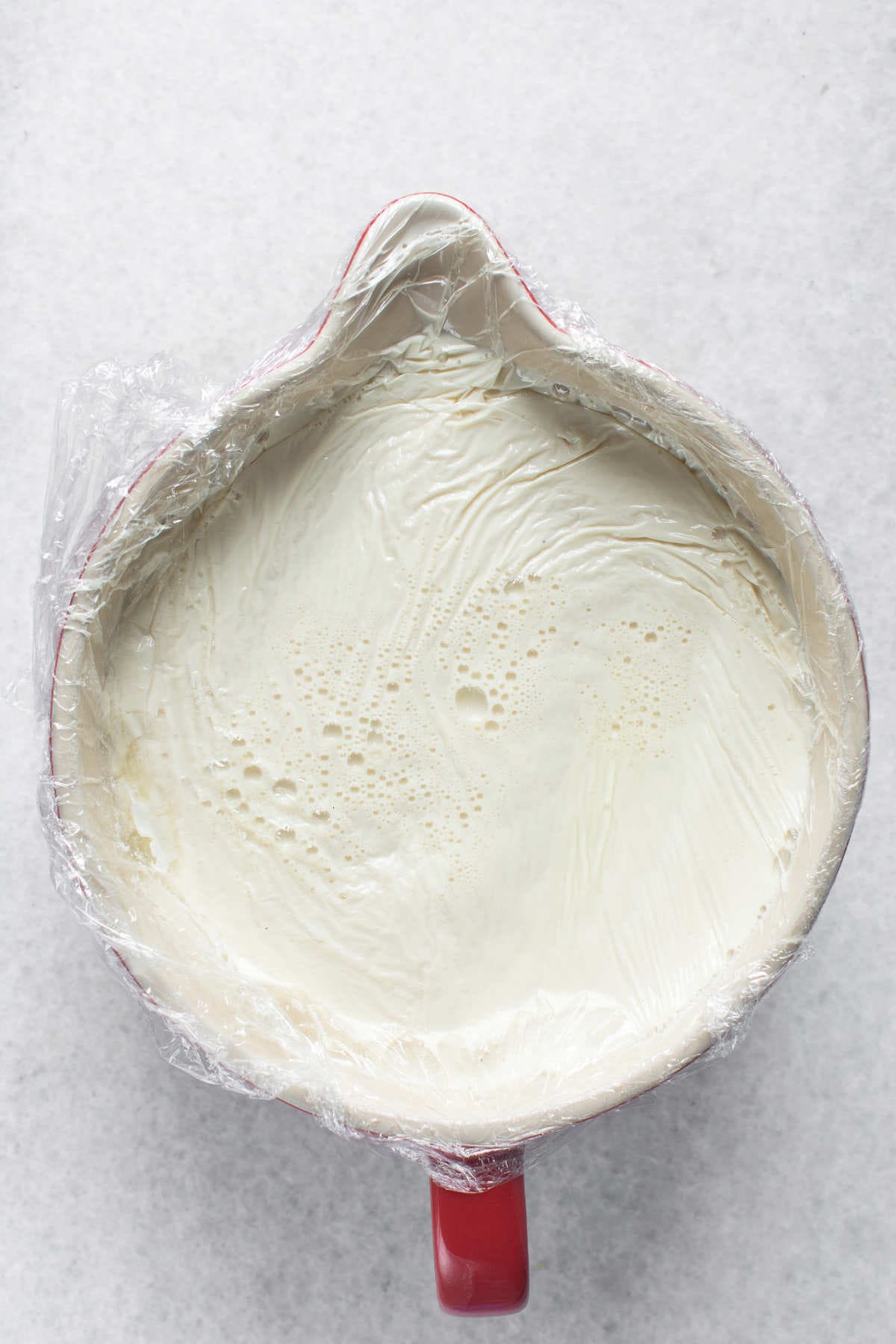
Labneh thickness depends entirely on how long the yogurt is allowed to drain. The table below shows typical labneh drain times and the texture they produce.
| Drain Time (Hours) | Texture | Best Use |
|---|---|---|
| 12-18 hours | Thick yogurt consistency | Dips and spreads |
| 24 hours | Classic creamy labneh | Mezze plates and pita |
| 36 hours | Very thick | Sandwich spread or topping |
| 48 hours | Firm cheese texture | Rolling into labneh balls |
Most traditional Lebanese labneh is strained about 24 hours, which creates the creamy spread most commonly served with pita and olive oil.
What Does Labneh Taste Like?
Labneh is a creamy Middle Eastern yogurt dip with a mild tang from the cultured yogurt. The flavor is slightly tart but mellow, especially when drizzled with olive oil or served with warm pita bread.
Serving Suggestions
Labneh is often served as part of a Middle Eastern mezze platter alongside warm pita bread, olives, and fresh vegetables. A shallow bowl of labneh drizzled with olive oil and sprinkled with za'atar is a traditional presentation, and it pairs naturally with other mezze favorites like hummus or Mediterranean grilled vegetables.
Labneh can also be spread inside falafel wraps, lamb kofta kebabs, served with grilled meats such as lamb kabobs or spatchcock roasted chicken, or spooned onto salads and grain bowls with rice or bulgur anywhere you might use a soft, tangy spreadable cheese.

Substitutions and Variations
Some useful tips and substitutions when making this recipe:
- Greek yogurt shortcut: Use plain Greek yogurt if you want to reduce the straining time. It has already had some whey removed, so the labneh thickens faster.
- Low salt version: Reduce the salt slightly if you prefer a milder flavor, especially if serving with salty foods like olives.
- Herb labneh: Stir chopped fresh herbs such as dill, mint, or parsley into the finished labneh.
- Labneh balls: Drain the yogurt longer until very thick, then roll into balls and store them in olive oil.
- Garlic labneh: Mix a small amount of grated garlic into the finished labneh for extra flavor.
- Sweet labneh: Drizzle with honey or spoon over a little fruit preserves for a breakfast spread or snack.
Tips for Success
These tips will help you get the best texture when making this homemade labneh recipe.
- Use thick yogurt: Starting with a good quality whole milk yogurt helps produce a richer labneh.
- Drain over a bowl: Always place the strainer over a bowl so the whey can drip away from the yogurt.
- Give it enough time: Proper texture develops as the whey drains slowly in the refrigerator.
- Salt evenly: Stir the salt thoroughly into the yogurt so the flavor is evenly distributed.
- Keep it refrigerated: Straining the yogurt in the refrigerator helps maintain freshness during the draining process.
How Long Does Homemade Labneh Last?
Homemade labneh will keep about 1 week in the refrigerator when stored in an airtight container.
- Refrigerator storage: Store finished homemade labneh in an airtight container in the refrigerator for up to one week.
- Labneh balls in oil: Thick labneh can be rolled into balls and stored fully submerged in olive oil in the refrigerator for two to three weeks.
- Do not freeze: Freezing changes the texture of the strained yogurt and is not recommended.
Related Recipes
Frequently Asked Questions
Labneh is made from yogurt that has been salted and strained until thick and creamy.
Most labneh drains for about 24 hours for a spreadable texture. Thicker labneh may drain up to 48 hours.
Yes. Greek yogurt already has some whey removed, so it will thicken faster when strained.
Salt helps season the yogurt and encourages whey to drain out during the straining process.
A clean cotton kitchen towel or muslin cloth can be used if cheesecloth is not available.
Traditional labneh is thick enough to hold its shape when spread on a plate but still soft and creamy.
Yes. If the yogurt drains long enough to become very thick, it can be rolled into small balls and stored in olive oil.
Labneh is commonly served with pita bread, olives, grilled meats, and vegetables.
Labneh is thicker than Greek yogurt because more whey has been removed during straining.
It may need to strain longer or the starting yogurt may have been too thin.
Yes. Herbs, garlic, or spices can be mixed into the finished labneh for different variations.
The whey collected in the bowl can be used in baking, smoothies, or bread dough.
More Middle Eastern Recipes




Get The Recipe!

Authentic Lebanese Labneh Recipe
Equipment
- Strainer
- Cheesecloth
Instructions
- Stir the salt into the yogurt until it is evenly combined.4 cups plain whole milk yogurt, 1 teaspoon salt
- Line a fine mesh strainer or colander with cheesecloth or a clean cotton kitchen towel. Place the strainer over a bowl.
- Spoon the salted yogurt into the lined strainer.
- Gather the cloth around the yogurt and gently tie or twist it closed.
- Refrigerate the yogurt while it drains for 24 to 36 hours, depending on how thick you want the labneh.
- Once thickened, transfer the labneh to a serving bowl or storage container.
Notes
- Use thick yogurt: Starting with a good quality whole milk yogurt helps produce a richer labneh.
- Drain over a bowl: Always place the strainer over a bowl so the whey can drip away from the yogurt.
- Give it enough time: Proper texture develops as the whey drains slowly in the refrigerator.
- Salt evenly: Stir the salt thoroughly into the yogurt so the flavor is evenly distributed.
- Keep it refrigerated: Straining the yogurt in the refrigerator helps maintain freshness during the draining process.
Nutrition
Pin It For Later ⤵


Kelly Bloom says
My family loved this!