

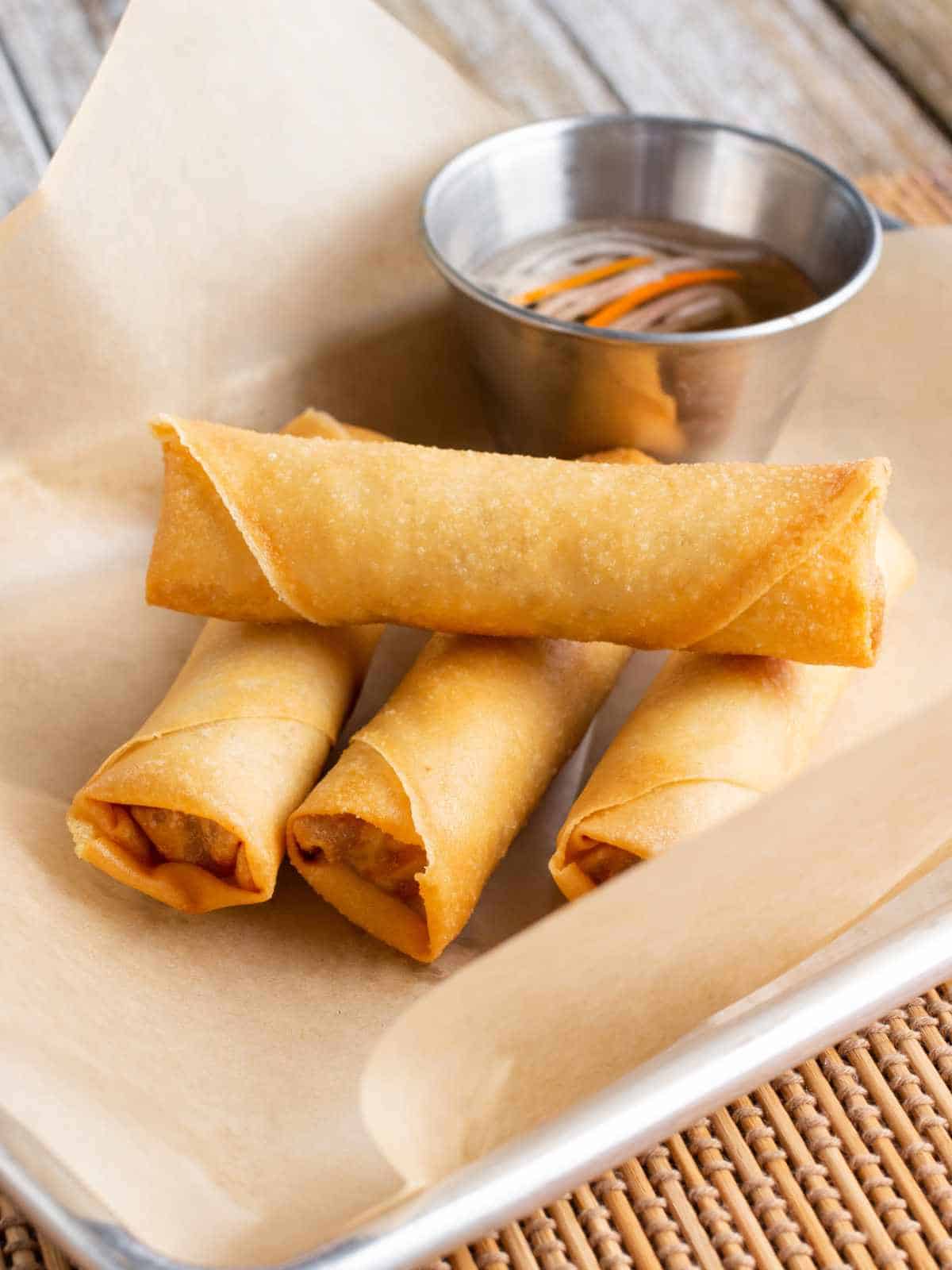
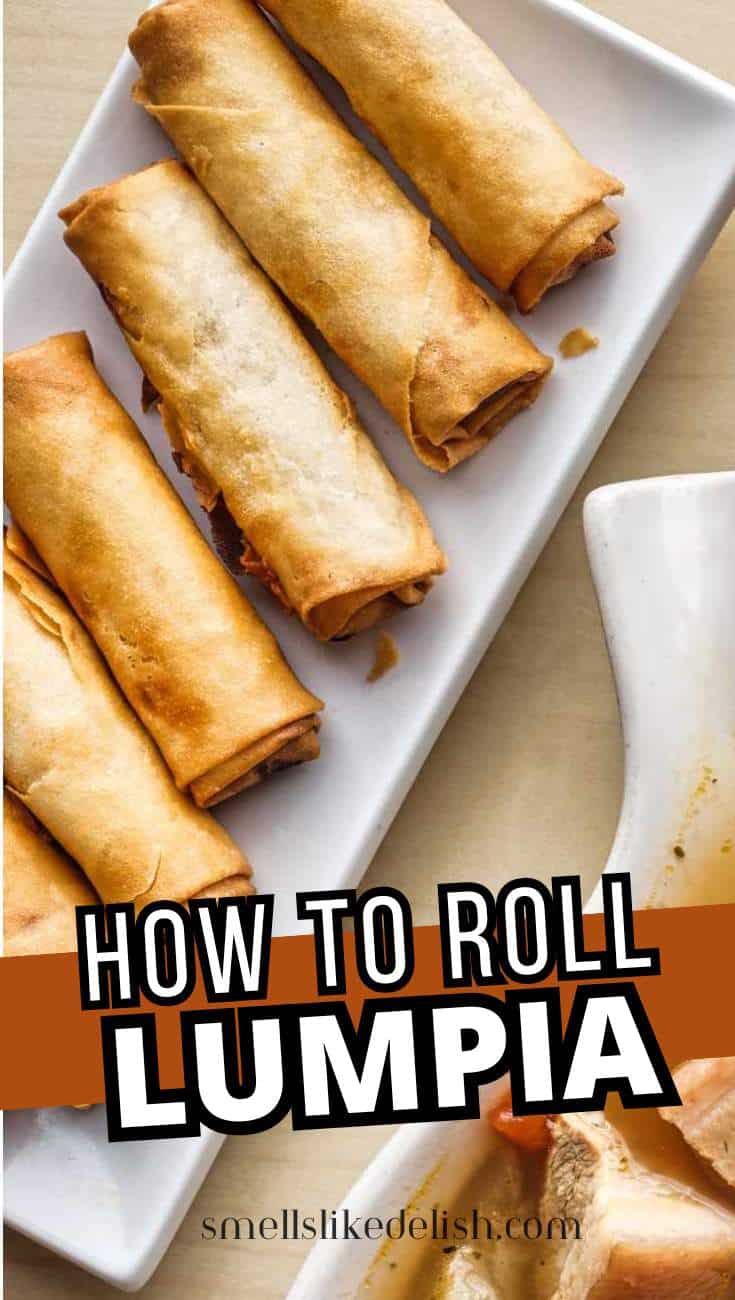
Rolling lumpia is a simple technique that helps keep the filling tucked in, the wrapper sealed, and the finished rolls ready to cook without falling apart. Once you learn the folding pattern, it becomes quick and easy to repeat.
I'll walk you through the process step by step so your lumpia turn out neat, tight, and ready for frying or freezing.
Jump to:
Why This Method Works
This method keeps the filling snug inside the wrapper so the lumpia hold their shape and cook evenly. It also helps you avoid loose rolls, torn wrappers, and filling that spills out during frying.
Once you get the fold sequence down, the process becomes quick to repeat and easier with each roll.
- Easy folding pattern: Once you learn the order of the folds, rolling lumpia becomes quick to repeat.
- Tighter sealed rolls: A snug roll helps prevent leaks and keeps the wrapper from opening while cooking.
- Better cooking results: Evenly rolled lumpia fry more consistently and are easier to batch cook or freeze.
Ingredients Overview
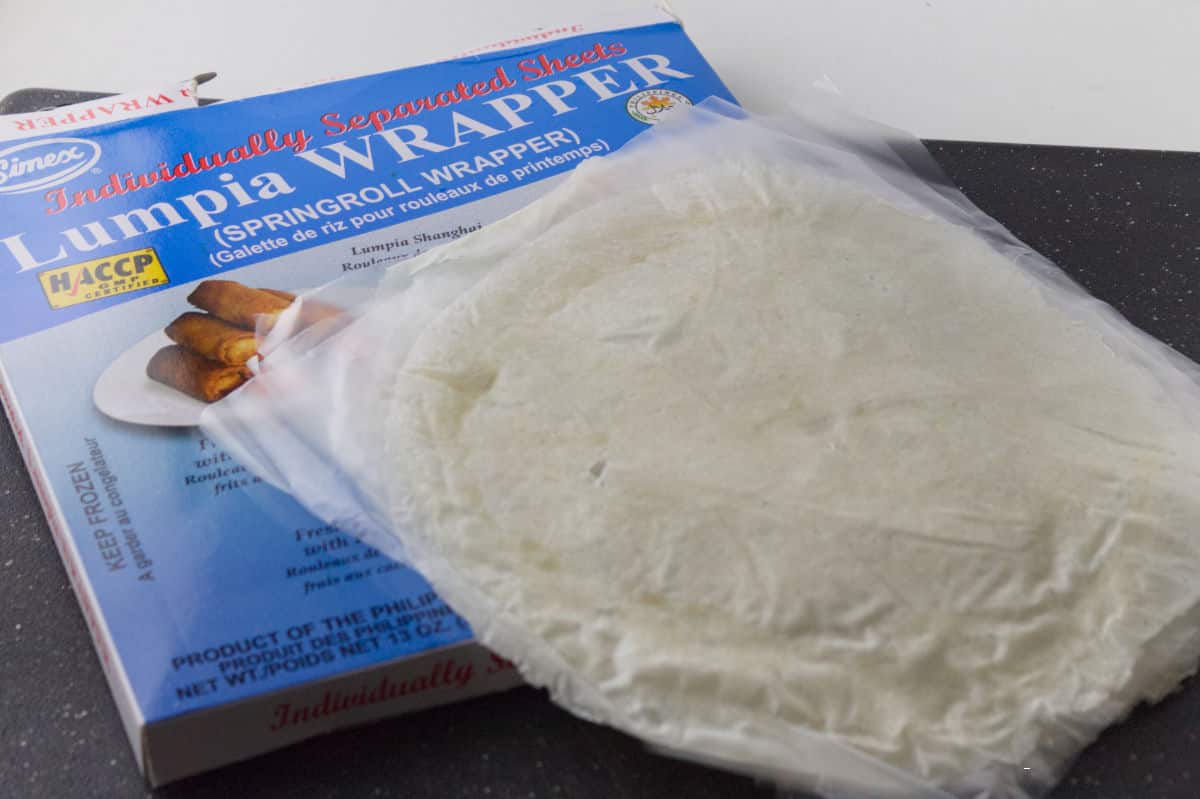
You only need a few basics to roll lumpia including lumpia wrappers, your prepared filling, and a small bowl of water to seal the edge. If wrappers are hard to find where you live, you can make your own with this homemade lumpia wrapper recipe.
The most important part is using the right wrapper and keeping the filling amount modest so the rolls stay easy to shape.
This technique post shows the rolling method used for lumpia wrappers and filled lumpia recipes across the site.
How To Roll Lumpia
Set up your workspace with the wrappers, filling, and water bowl within easy reach before you begin. Once you start rolling, the process moves quickly. Follow the step-by-step visual guide below to see exactly how each fold comes together.
Step 1: Prepare your workspace. Lay out a clean, dry surface with your filling, wrappers, and a small bowl of water nearby so everything is ready to go before you start rolling.
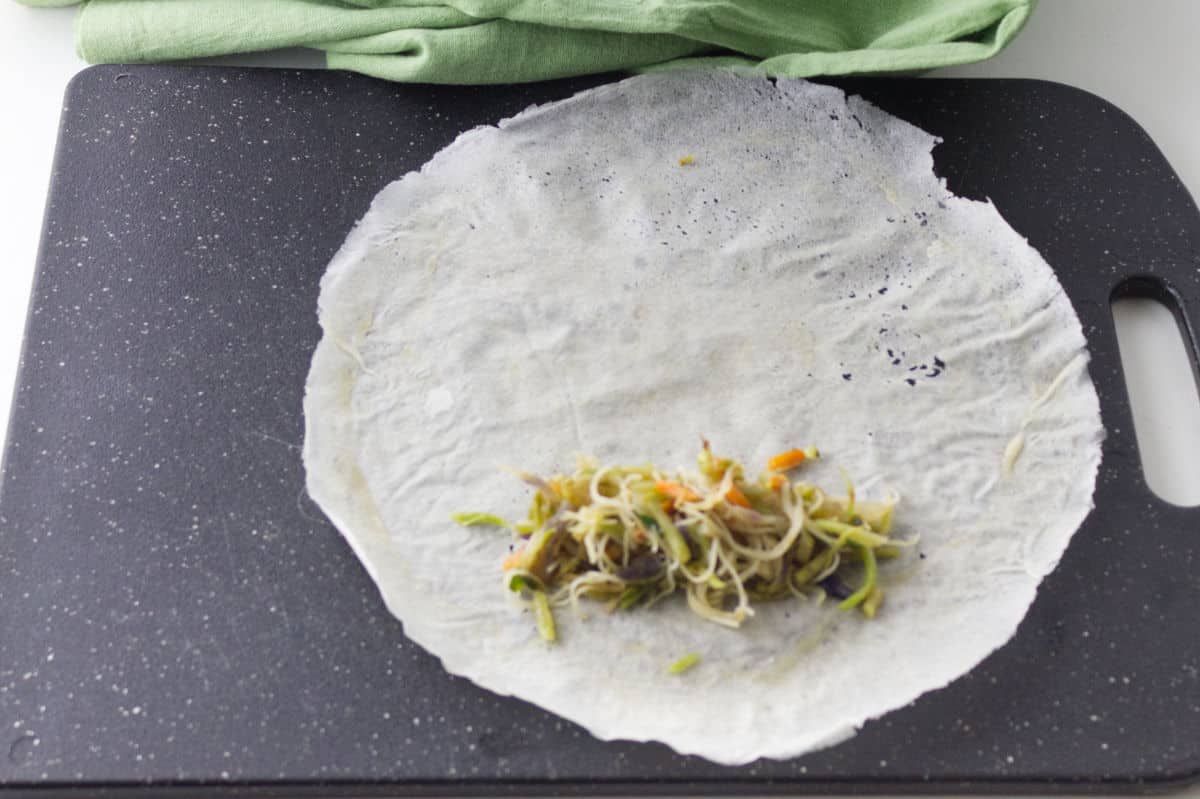
Step 2: Lay one wrapper flat on your work surface. Add about 1 tablespoon of filling near the bottom edge, shaping it into a short, thin line. Do not overfill or the wrapper can tear or burst during cooking.
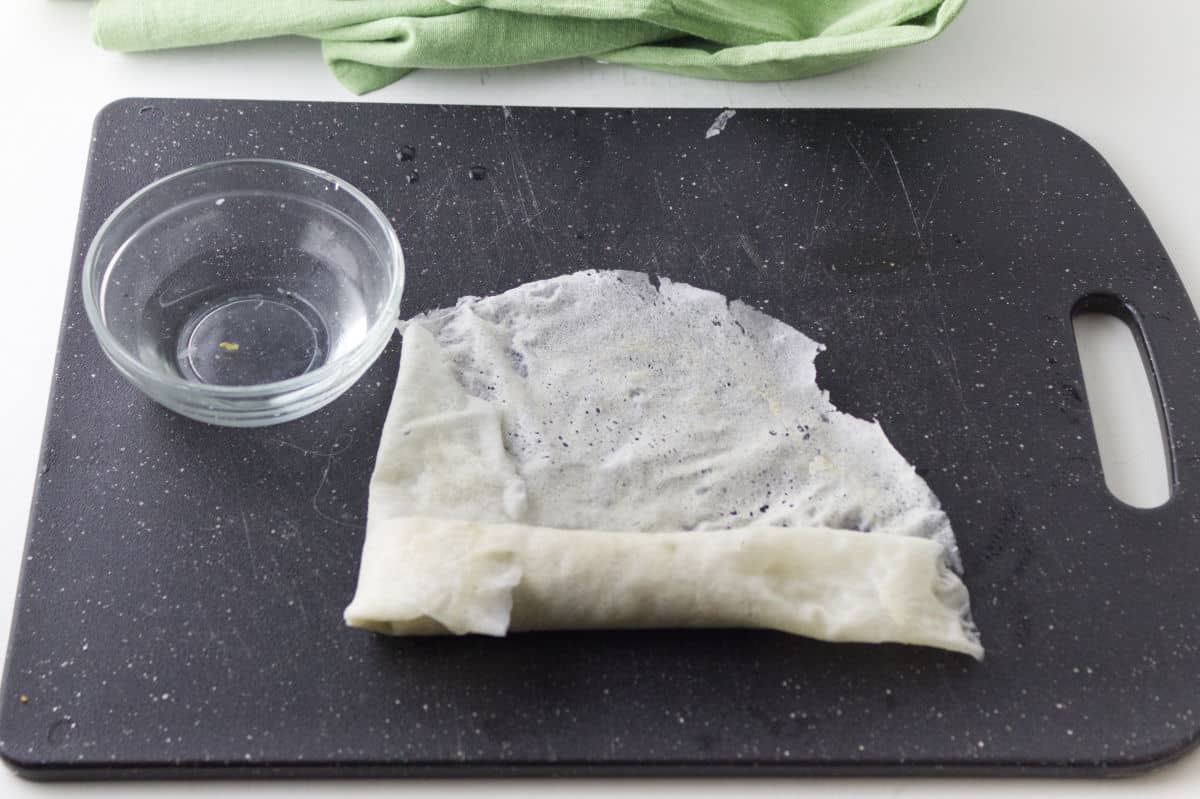
Step 3: Fold the bottom edge of the wrapper up and over the filling, tucking it in snugly so the filling is enclosed. This first fold helps set the shape of the roll.
Pro Tip
Keep the wrappers covered with a lightly damp towel while you work so they stay flexible and don't dry out. Dry wrappers crack more easily and are harder to seal.
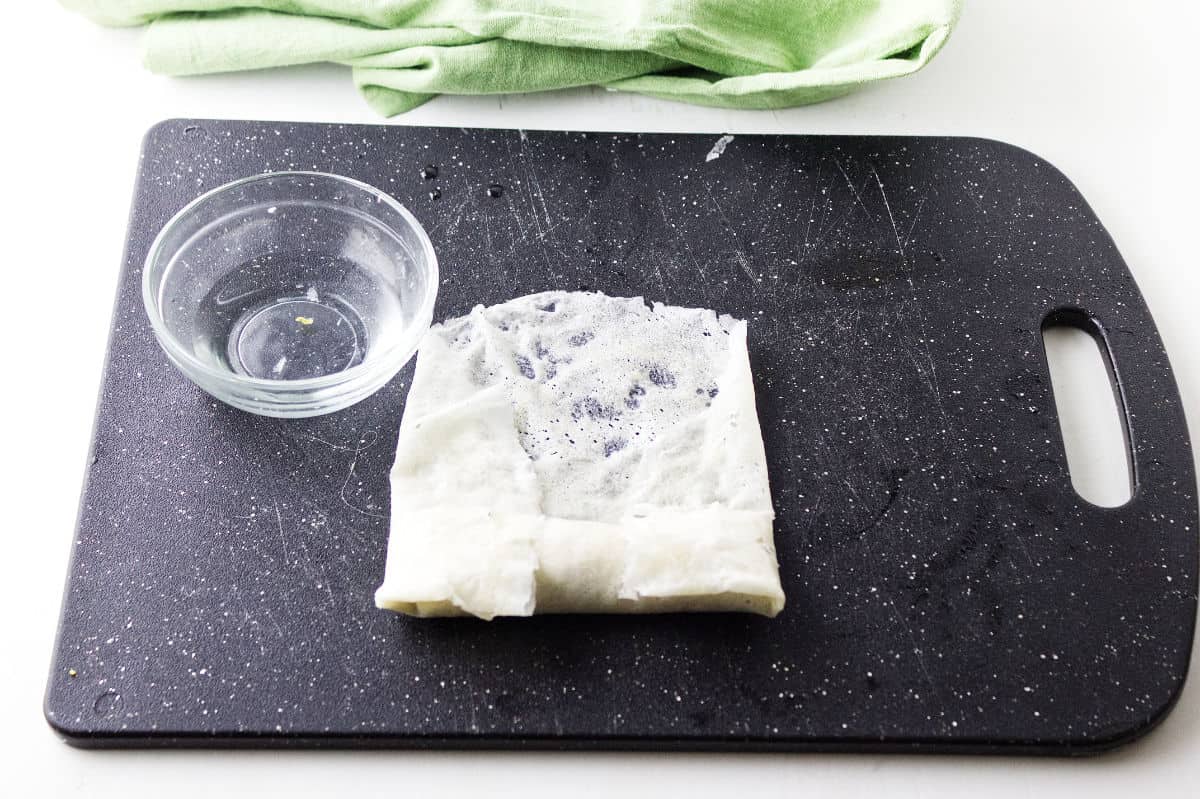
Step 4: Fold one side of the wrapper inward toward the center, then fold the other side in so the filling is boxed in on both sides.
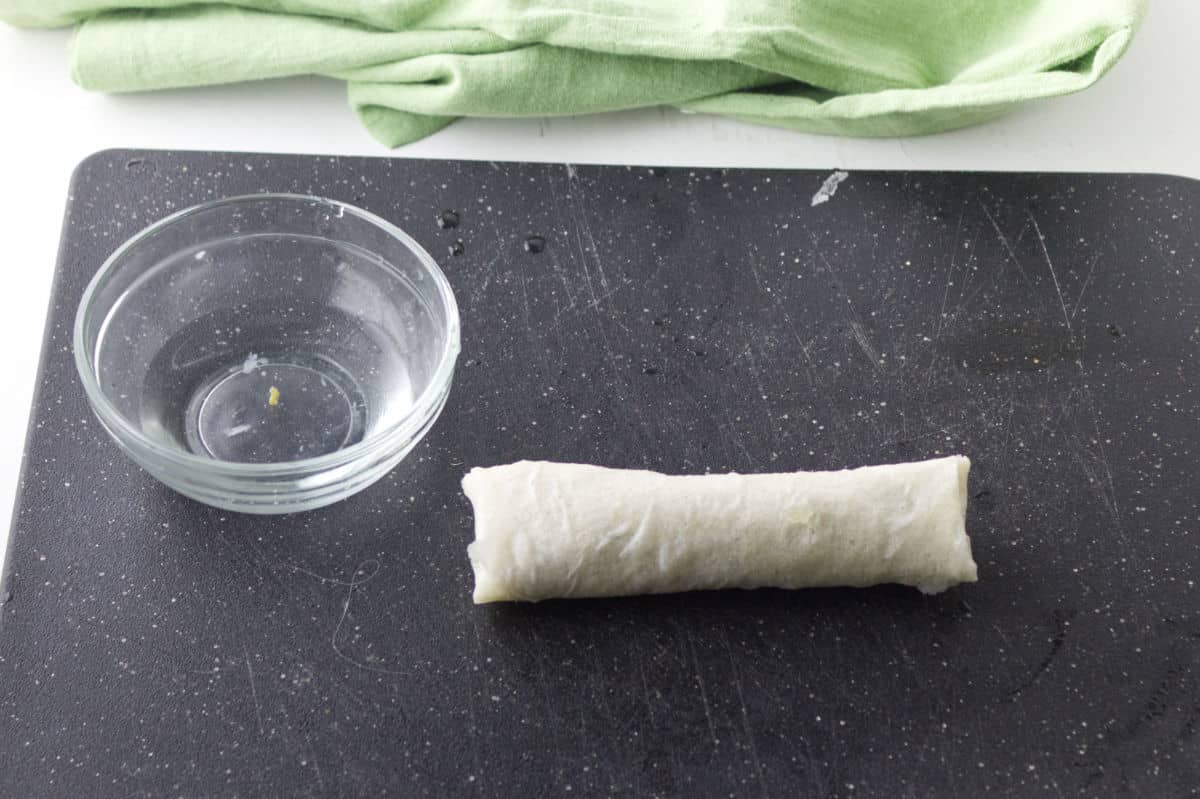
Step 5: Continue rolling upward firmly but gently until only the top corner remains. Aim for a tight, even roll without squeezing so hard that the wrapper tears.
Step 6: Dip your finger in water and moisten the top edge of the wrapper. Press it down lightly to seal the lumpia closed.
Step 7: Repeat with the remaining wrappers and filling. The rolled lumpia can be cooked right away, refrigerated briefly before cooking, or frozen for later.
Serving Suggestions
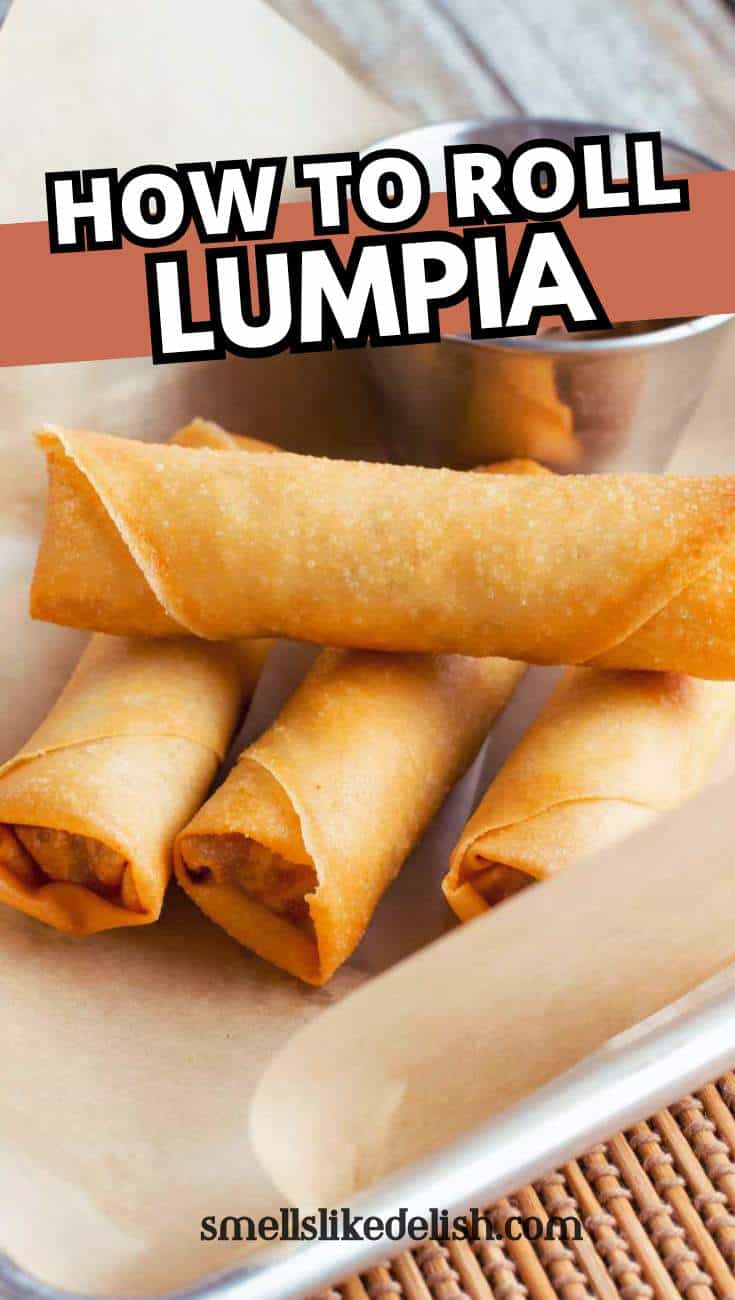
Lumpia are often served as an appetizer or party food with a dipping sauce on the side. They pair especially well with Filipino dipping sauce sauce and rice dishes when building out a full meal.
Once you have the rolling method down, you can use it across traditional pork lumpia, fresh vegetable lumpia, and other variations throughout your kitchen.
Substitutions and Variations
Here are a few ways to adjust the wrappers, filling, or size depending on what you have on hand.
- Different fillings: Use pork, chicken, shrimp, or vegetable filling depending on the style of lumpia you are making.
- Homemade wrappers: If you can't find frozen lumpia wrappers, homemade lumpia wrappers are a good option.
- Smaller party rolls: Cut wrappers if needed to make shorter lumpia for appetizers or party trays.
- Fresh spring roll style: This same folding method also works for fresh vegetable lumpia and similar wrapped rolls.
Tips for Success
These tips will help you roll lumpia more easily and keep them sealed during cooking.
- Do not overfill: Too much filling makes the wrappers harder to fold and more likely to split.
- Keep the roll snug: A tighter roll helps the lumpia keep its shape and fry evenly.
- Cover unused wrappers: Lumpia wrappers dry out quickly once exposed to air.
- Seal the edge lightly: Use just enough water to close the wrapper without making it soggy.
- Work assembly-line style: Having all of your ingredients ready before starting makes rolling easier and faster.
Storage Options
Once your lumpia are rolled, here's how to store them before cooking or save them for later.
- Cook right away: Freshly rolled lumpia are at their easiest to handle when cooked soon after assembling.
- Refrigerate briefly: Store covered in the refrigerator for up to 24 hours before cooking.
- Freeze for later: Arrange in a single layer until frozen, then transfer to a freezer container or bag.
- Do not stack uncovered: Keeping the rolls separated helps prevent sticking and tearing.
- Freeze before cooking: Freezing uncooked lumpia helps them hold their shape and makes batch cooking easier later.
Related Recipes
Frequently Asked Questions
Lumpia wrappers usually tear when they dry out or when they are overfilled. Keep the wrappers covered while you work and use a modest amount of filling so they stay easy to fold.
Use a small amount of filling shaped into a short, thin line near the bottom edge of the wrapper. Too much filling makes the lumpia harder to roll and more likely to burst during cooking.
Moisten the final edge of the wrapper with a little water and press gently to seal. You only need a light touch to keep the wrapper closed.
Yes, you can roll lumpia ahead of time and refrigerate them for a short period before cooking. They can also be frozen for longer storage.
Lumpia usually burst open because they were overfilled, rolled too loosely, or not sealed well. A snug roll and a proper seal help keep them intact.
Yes, uncooked lumpia freeze very well. Freeze them in a single layer first, then transfer them to a freezer-safe bag or container once firm.
Lumpia wrappers are wheat-based and made for frying, so they cook up crisp. Rice paper wrappers are for fresh rolls and will turn chewy, not crisp, if used for lumpia.
Asian Recipes
Pin It For Later ⤵

Leave a Reply