

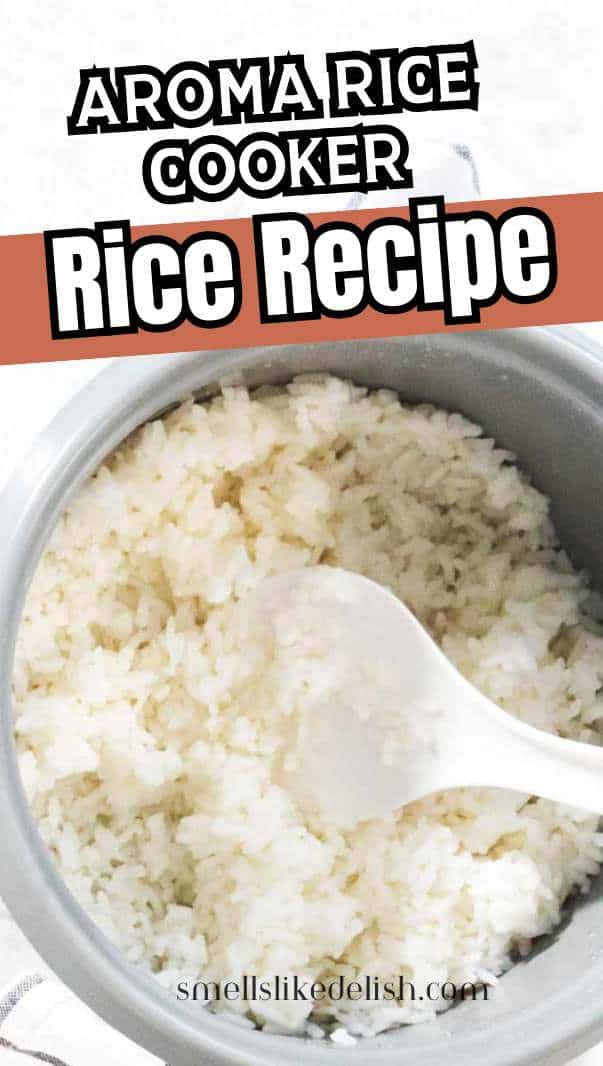
This white rice recipe shows how to cook long-grain white rice in a typical Aroma rice cooker using standard measuring cups. The cooker controls the heat and automatically switches to the Warm setting once the water has been absorbed, allowing the rice to finish steaming in the pot.
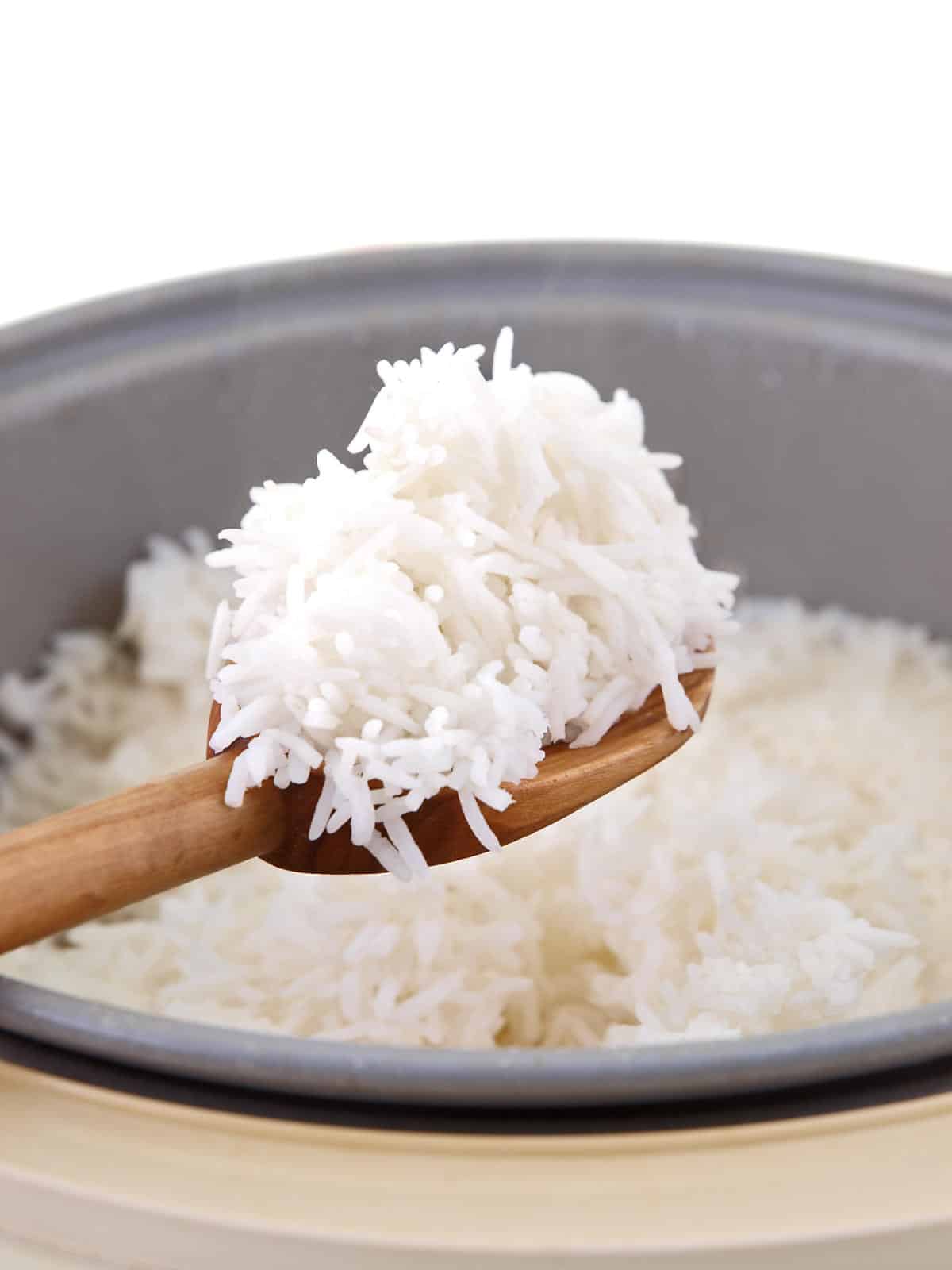
These instructions are written for a common 6-cup Aroma rice cooker, but they also work for most similar basic rice cookers that use a simple Cook and Warm cycle. The recipe uses 2 cups of uncooked rice, which makes enough rice for several servings as a side dish.
Why This Rice Cooker White Rice Works
This method keeps the rice-to-water ratio simple so the grains cook evenly and stay tender instead of gummy. The rice cooker handles the heat and timing automatically, so you can focus on the rest of the meal while the rice cooks.
- Reliable rice-to-water ratio: Using the correct rice-to-water ratio produces tender grains that separate easily when fluffed.
- Hands-off cooking: The rice cooker controls the temperature and cooking cycle so you do not need to monitor the pot.
- Consistent texture: Rinsing the rice removes excess starch so the cooked rice stays light and separate.
- Family-size batch: Two cups of uncooked rice produces enough for several servings and works well for most 6-cup rice cookers.
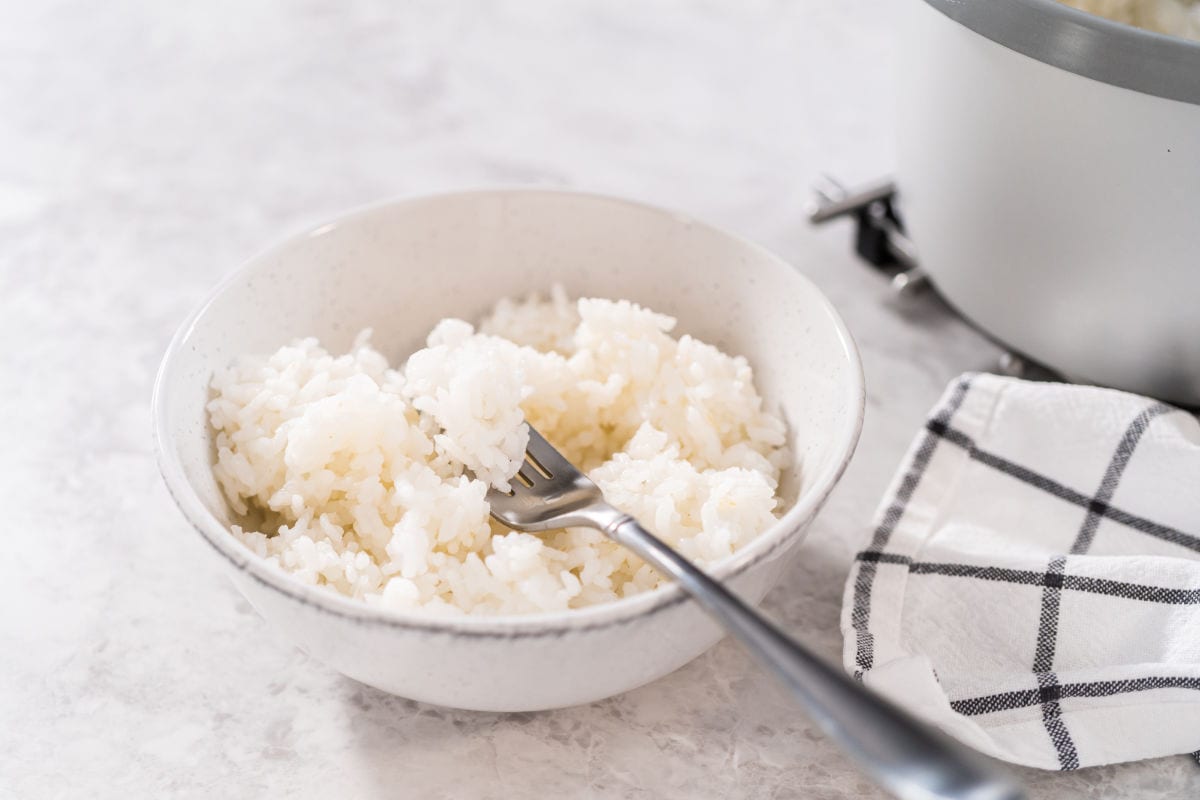
Ingredients Overview
This recipe uses standard U.S. measuring cups. Aroma rice cookers include a smaller measuring cup that holds about ¾ cup (180 ml), but many people lose it, so these instructions use regular kitchen measurements instead.
Use the correct rice-to-water ratio when cooking white rice in an Aroma rice cooker. If you want a full comparison of ratios for different rice varieties, see our Aroma Rice Cooker Instructions guide.
- Long-grain white rice: Standard long-grain rice cooks evenly in most rice cookers and produces separate, tender grains.
- Water: The rice absorbs the water during cooking and steams in the covered pot.
- Salt: A small amount of salt seasons the rice while it cooks so the flavor is evenly distributed.
Full ingredient amounts and preparation instructions are in the printable recipe card at the bottom of this post.
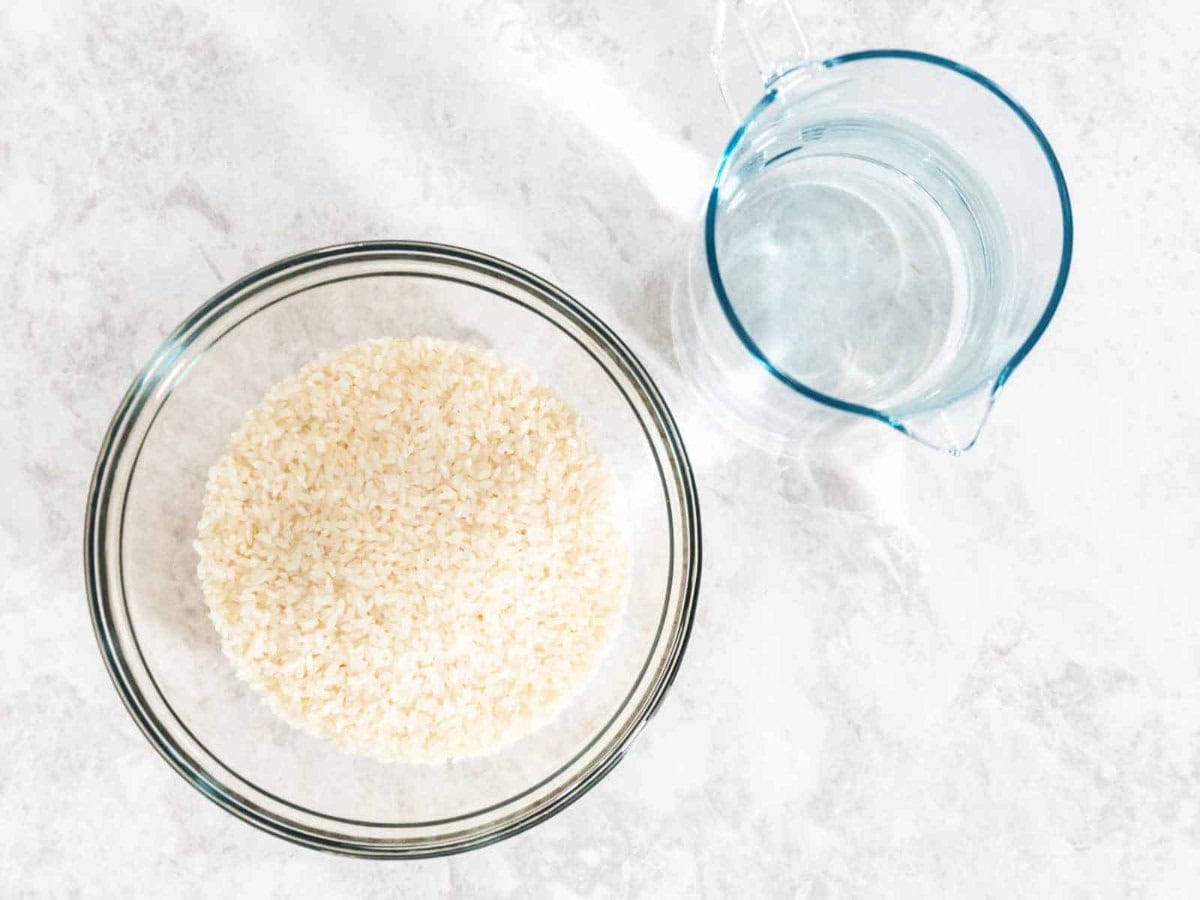
What Is the Rice Cooker Rice-to-Water Ratio for White Rice?
When using standard measuring cups, a reliable rice cooker ratio for long-grain white rice is 1 cup rice to 1½ cups water. For this recipe, 2 cups rice and 3 cups water cook evenly in most 6-cup rice cookers.
How to Make Aroma Rice Cooker White Rice
Rinse the rice to remove excess starch, then add it to the rice cooker with the measured water and salt. Start the cook cycle. White rice usually cooks in about 20 to 30 minutes depending on the rice cooker, and the appliance will automatically switch to Warm when the cooking cycle finishes.
Follow the step-by-step visual guide below for the full process.
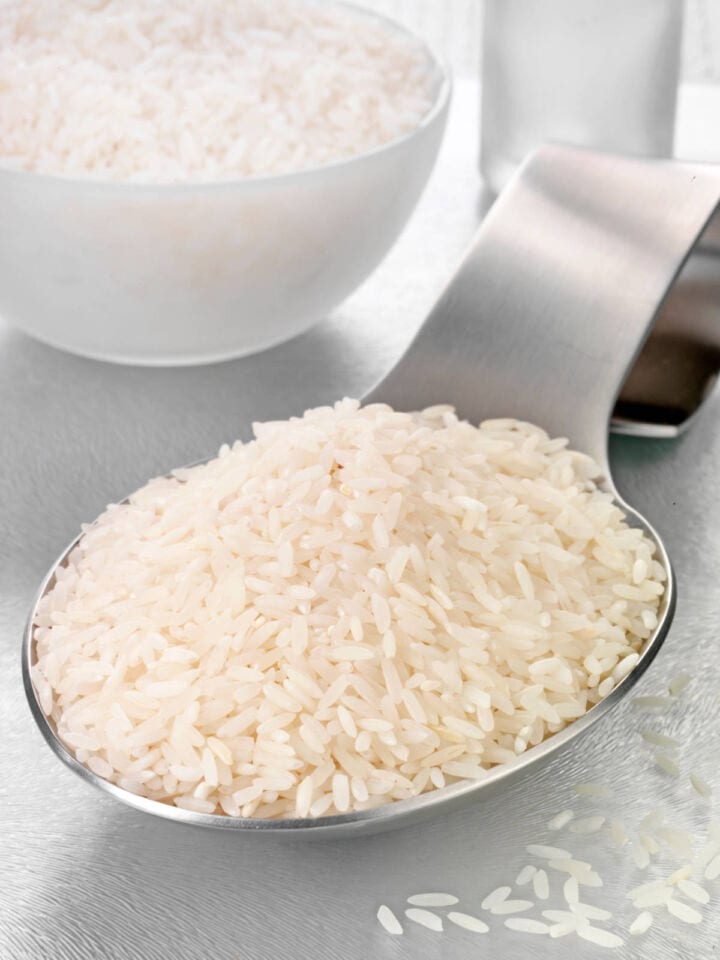
Step 1: Measure 2 cups long-grain white rice using a standard measuring cup.
Step 2: Place the rice in a fine mesh strainer and rinse under cold water until the water runs mostly clear.
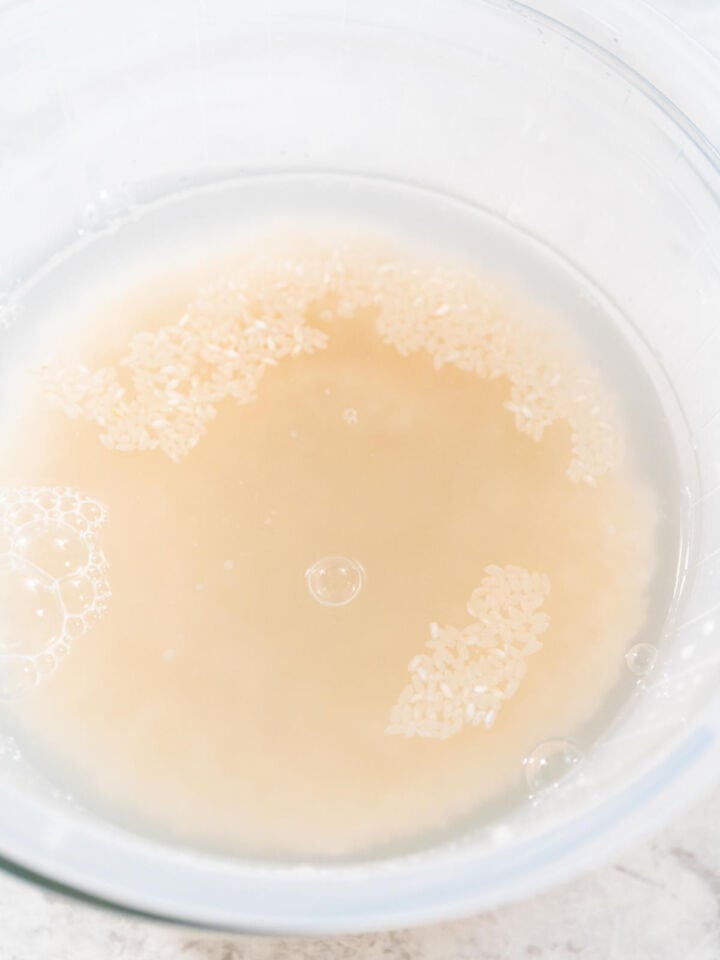
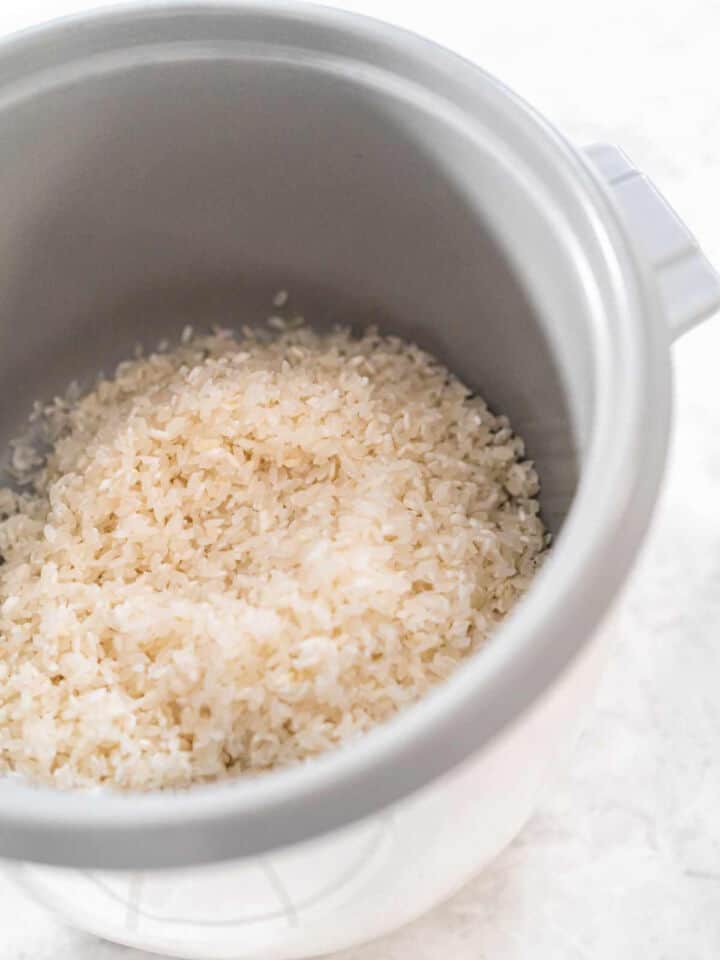
Step 3: Add the rinsed rice to the inner pot of the rice cooker.
Pro Tip
Rinsing rice until the water runs mostly clear removes excess surface starch. This helps the grains stay separate and prevents the rice from becoming sticky or gummy during cooking.
Step 4: Add 3 cups water.
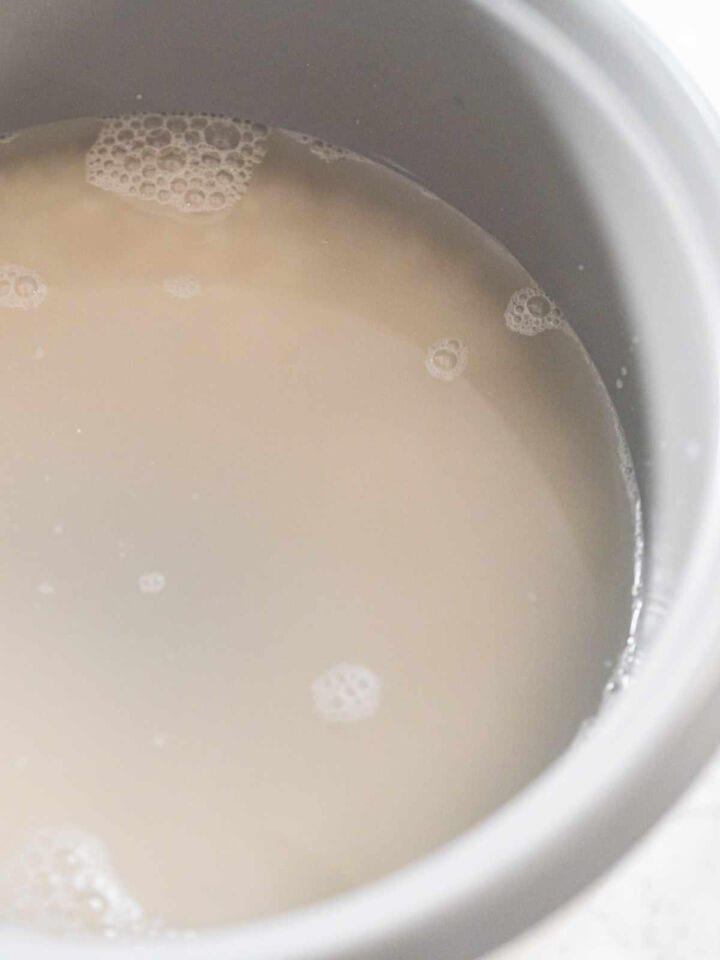
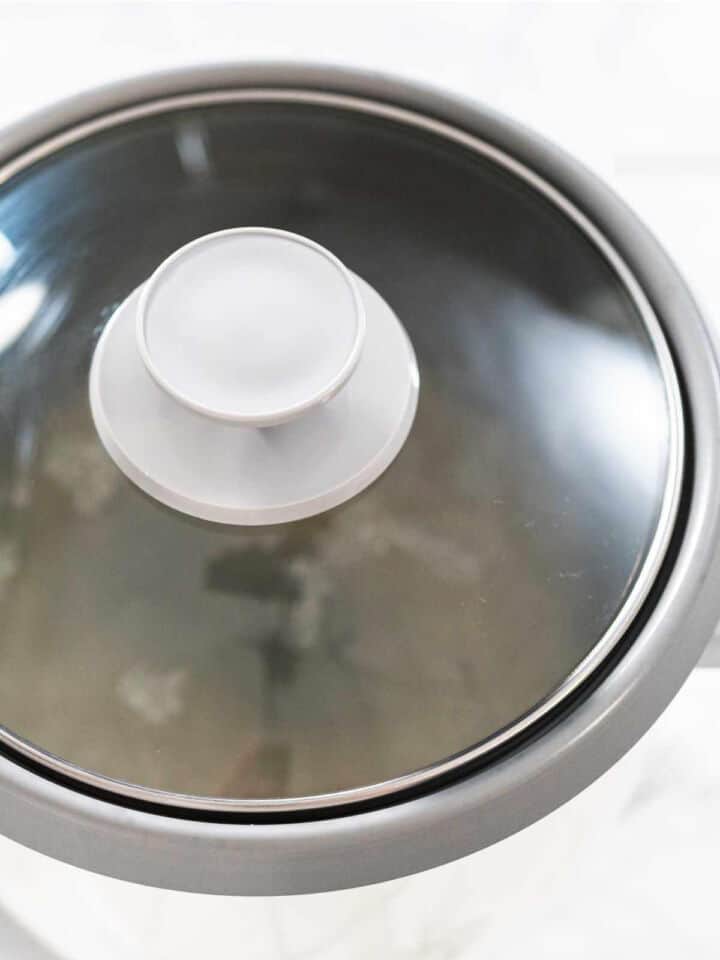
Step 5: Place the pot in the rice cooker and close the lid.
Step 6: Press the Cook button or select the White Rice program.
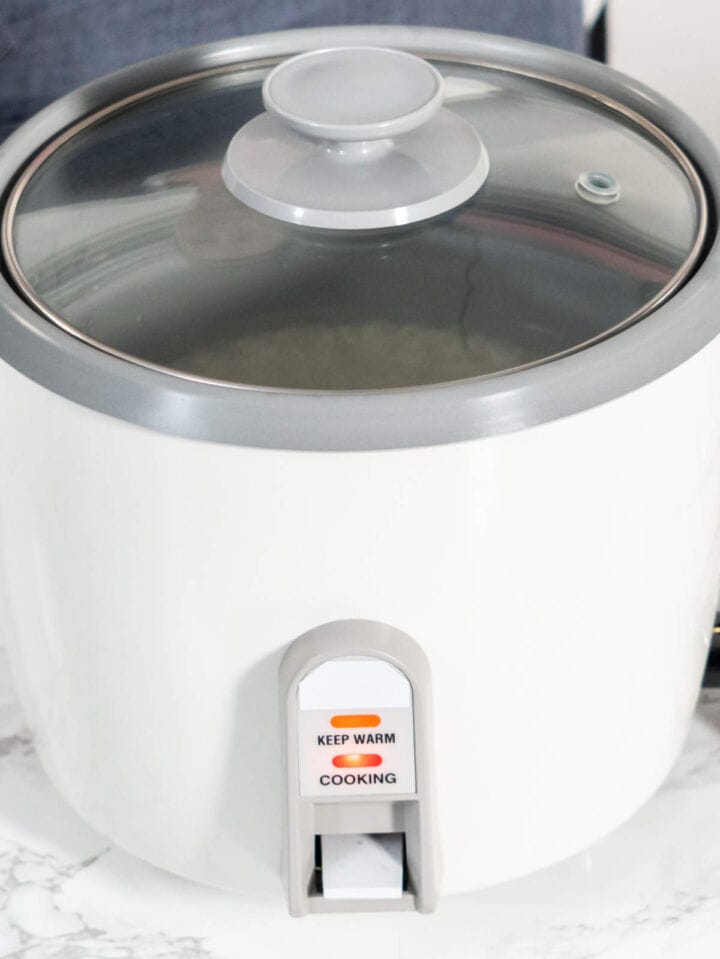
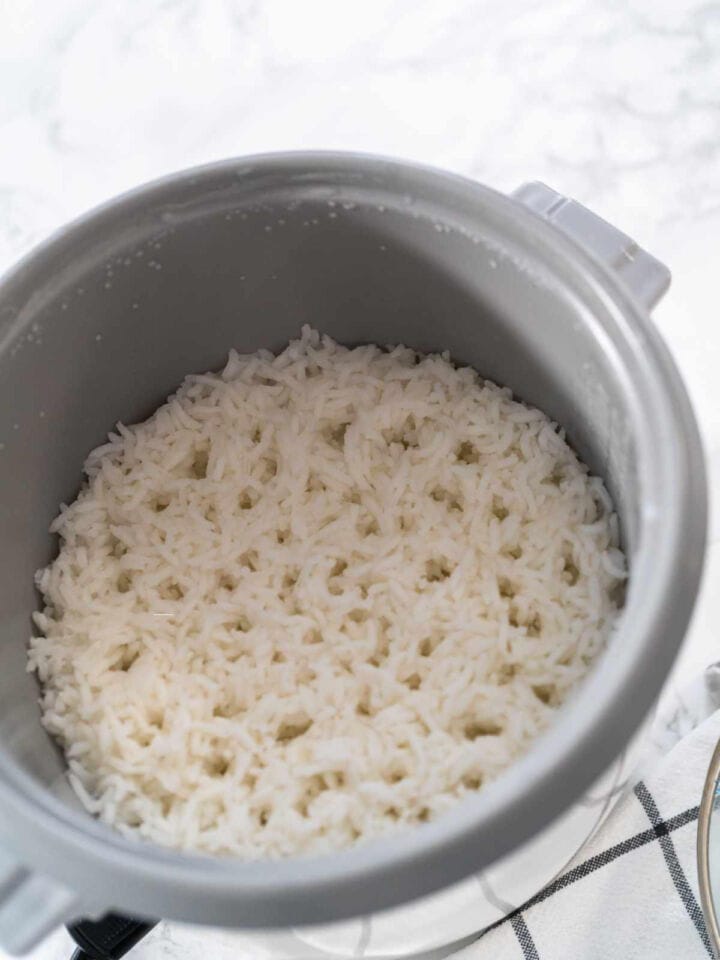
Step 7: When the cooker switches to Keep Warm, allow the rice to rest for about 10 minutes.
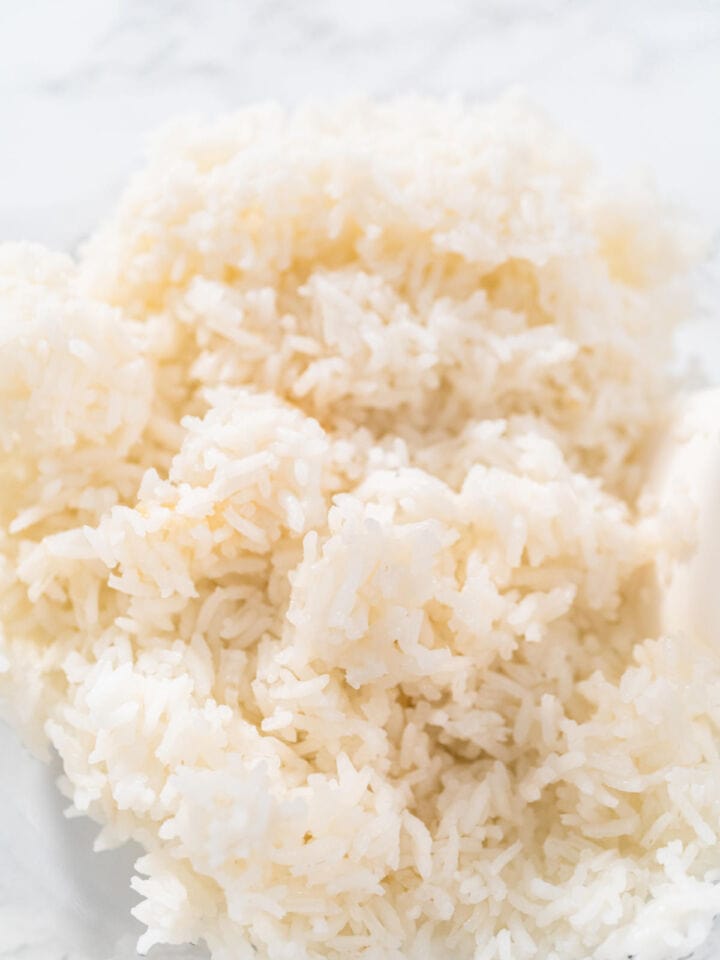
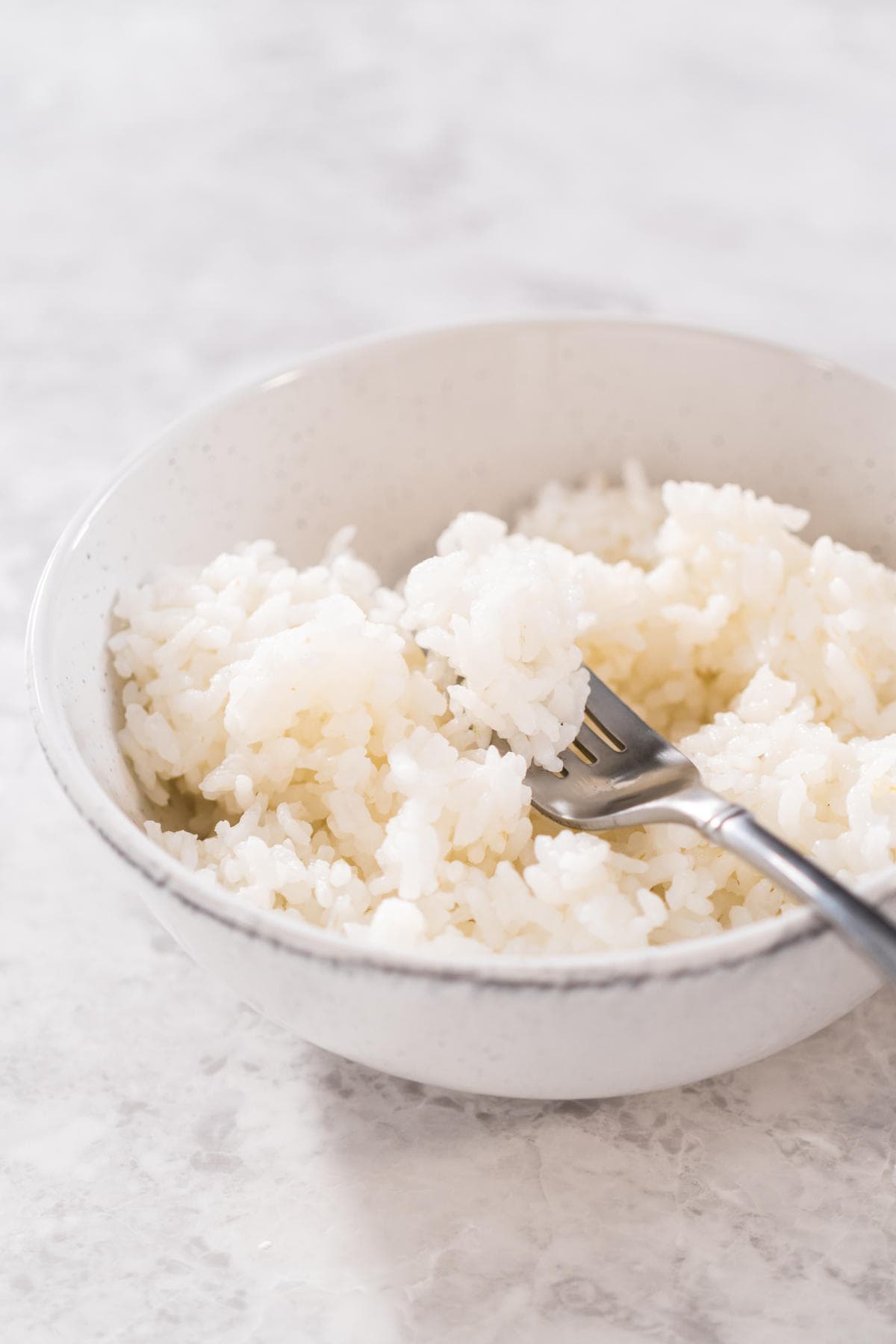
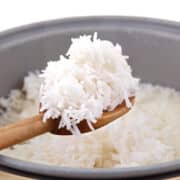
Step 8: Fluff the rice gently with a rice paddle or fork before serving.
Serving Suggestions
White rice is a dependable side dish that pairs well with meals that have a flavorful sauce. Serve it with stir fry dishes like beef and broccoli or sauced meats such as orange glazed pork chops so the rice can absorb the extra flavor. It is also a natural pairing for saucy dishes like stir fries, curries, and stews.
White rice is also commonly used as the base for hearty meals. A scoop of rice served with sausage sheet pan dinner or asparagus and salmon makes a simple and filling plate, and many Southern dishes such as chicken and sausage gumbo are traditionally served over cooked white rice.
Substitutions and Variations
Some useful substitutions and variations when making this recipe:
- Jasmine rice: Use the same 1:1 rice-to-water ratio. Jasmine rice has a slightly softer texture and light fragrance.
- Basmati rice: Use 1 cup rice to 1¼ cups water for longer, drier grains.
- Chicken broth instead of water: This adds mild savory flavor and works well when serving rice with roasted meats.
- Butter or oil: Stir in a teaspoon of butter or oil before cooking if you prefer slightly richer rice.
Tips for Success
Helpful tips to help you when making this recipe:
- Rinse the rice well: Rinsing removes excess surface starch left from milling and helps keep the cooked grains separate instead of sticky.
- Use the correct rice-to-water ratio: Too much water can make the rice soft and clumpy, while too little water can leave the grains undercooked.
- Keep the lid closed while cooking: Opening the lid releases steam and can interrupt the cooking cycle, which may cause unevenly cooked rice.
- Let the rice rest before fluffing: Allow the rice to sit on the Warm setting for about 10 minutes so the remaining moisture finishes absorbing.
- Fluff gently with a rice paddle or fork: Lightly lifting the rice separates the grains without mashing them together.
- Do not leave rice on Warm for long periods: Rice can dry out or begin sticking to the pot if it sits on the Warm setting too long after cooking.
Storage Options
Here is how I store leftovers when making this recipe:
- Refrigerator: Store cooked rice in an airtight container for up to 4 days.
- Freezer: Portion cooled rice into freezer-safe bags or containers and freeze for up to 2 months.
- Reheating: Add a tablespoon of water and reheat in the microwave or on the stovetop to restore moisture.
Related Recipes
Frequently Asked Questions
Most white rice cooks in 20 to 30 minutes depending on the amount of rice and the model of rice cooker.
Rinsing removes surface starch from the rice grains. This helps prevent the rice from becoming sticky and improves the texture of the cooked rice.
Yes, but do not exceed your cooker's maximum capacity. A standard 6-cup Aroma rice cooker can usually cook up to 3 rice-cooker cups of uncooked white rice, which makes about 6 cups cooked rice.
Too much water or skipping the rinsing step can make rice soft and sticky. Reduce the water slightly or rinse the rice more thoroughly.
Yes. Many grains cook well in rice cookers including quinoa, steel-cut oats, and rice blends. The water ratio and cooking time will vary depending on the grain.
Chicken Dinner Recipes
Get The Recipe!
Rice Cooker White Rice Recipe
Equipment
- Aroma Digital Rice Cooker
Instructions
- Measure 2 cups long-grain white rice using a standard measuring cup.2 cups white long grain rice
- Place the rice in a fine mesh strainer and rinse under cold water until the water runs mostly clear.
- Add the rinsed rice to the inner pot of the rice cooker.
- Add 3 cups water and the salt to the rice cooker pot.3 cups water, ¾ teaspoon salt
- Place the pot in the rice cooker and close the lid.
- Press the Cook button or select the White Rice program.
- When the cooker switches to Keep Warm, allow the rice to rest for about 10 minutes.
- Fluff the rice gently with a rice paddle or fork before serving.
Notes
- Rinse Your Rice: Always rinse your rice thoroughly under cold running water until the water runs clear. This removes excess starch, leading to fluffier, less sticky rice.
- Use the correct rice-to-water ratio: Use the correct water-to-rice ratio specified by your rice cooker's manual or for the type of rice you're cooking. Too much water makes it mushy, too little leaves it undercooked.
- Don't Open Lid During Cooking: Resist the urge to lift the lid during the cooking cycle. Opening it releases steam, which is essential for proper cooking and can result in unevenly cooked rice.
- Let it Rest: Once the rice cooker switches to "warm" or finishes cooking, let the rice rest in the cooker with the lid on for at least 10-15 minutes. This allows the steam to redistribute, making the rice perfectly tender.
- Do not leave rice on Warm for long periods: Rice can dry out or begin sticking to the pot if it sits on the Warm setting too long after cooking.
- Fluff with a Fork: After resting, gently fluff the rice with a rice paddle or fork before serving. This separates the grains and creates a light, airy texture.
Nutrition
Pin It For Later ⤵
Kelly Bloom says
Delicious, I'm making this again!