


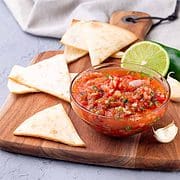
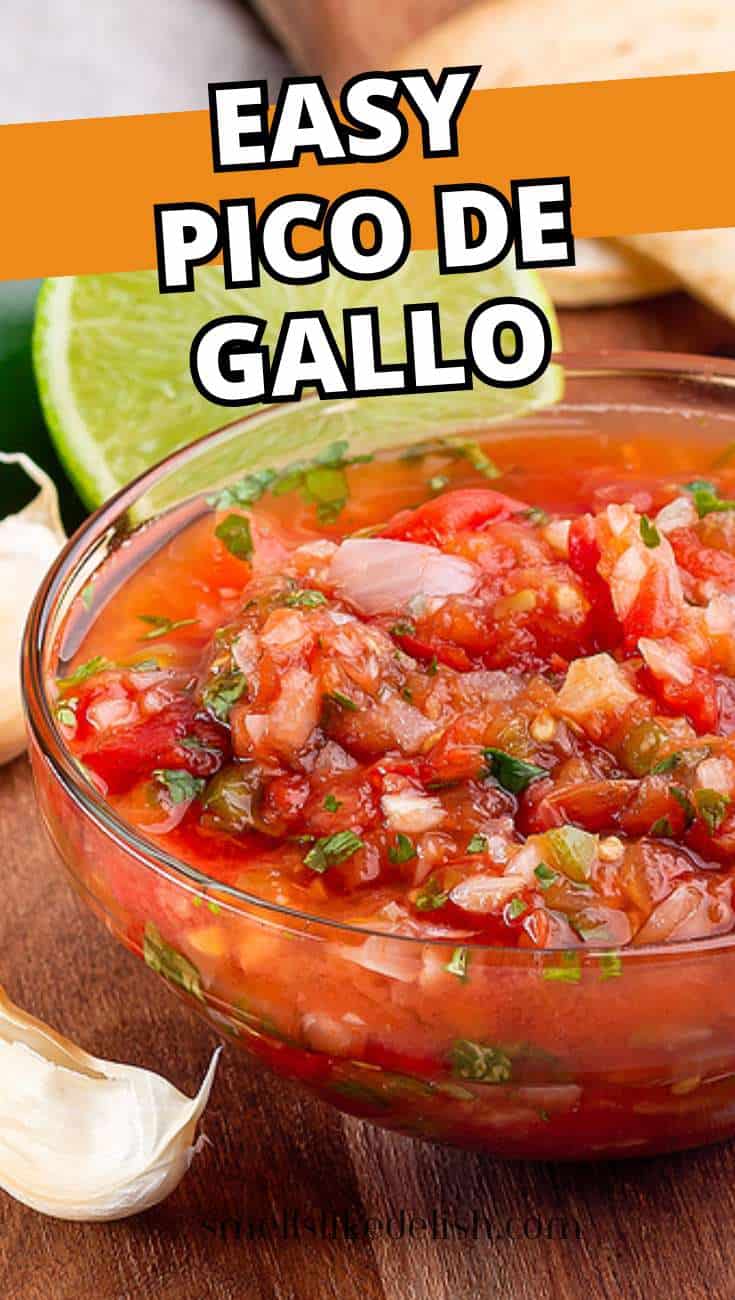
Garden fresh pico de gallo is a simple fresh salsa made with chopped tomatoes, onion, cilantro, and lime. It's one of the easiest ways to bring real flavor to your favorite Mexican dishes.
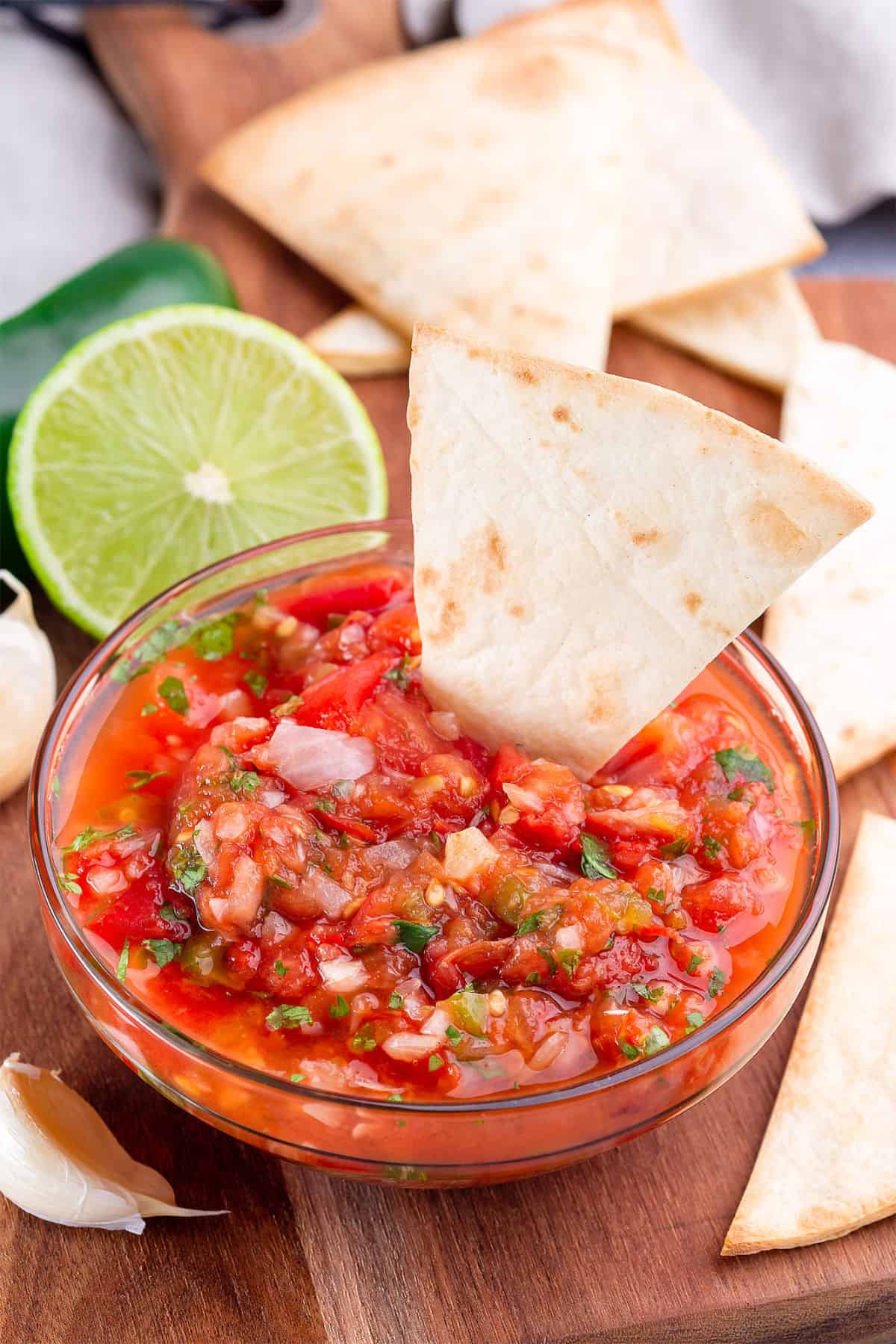
Why This Easy Pico de Gallo Works
Good pico de gallo depends on how the ingredients are prepped and seasoned. Even chopping, enough lime, and proper salting keep the tomatoes tasting fresh instead of watery or flat.
A short rest helps everything blend together so the flavor is consistent throughout. It's a quick and easy Mexican staple.
- Fresh flavor: Tomatoes, lime, cilantro, and onion give this pico de gallo a clean, bright flavor without cooking or blending.
- Easy to make: Chop the ingredients, season them, and let them rest briefly before serving.
- Easy to adjust: Use more or less jalapeno, lime, or cilantro to match the flavor and heat level you like.
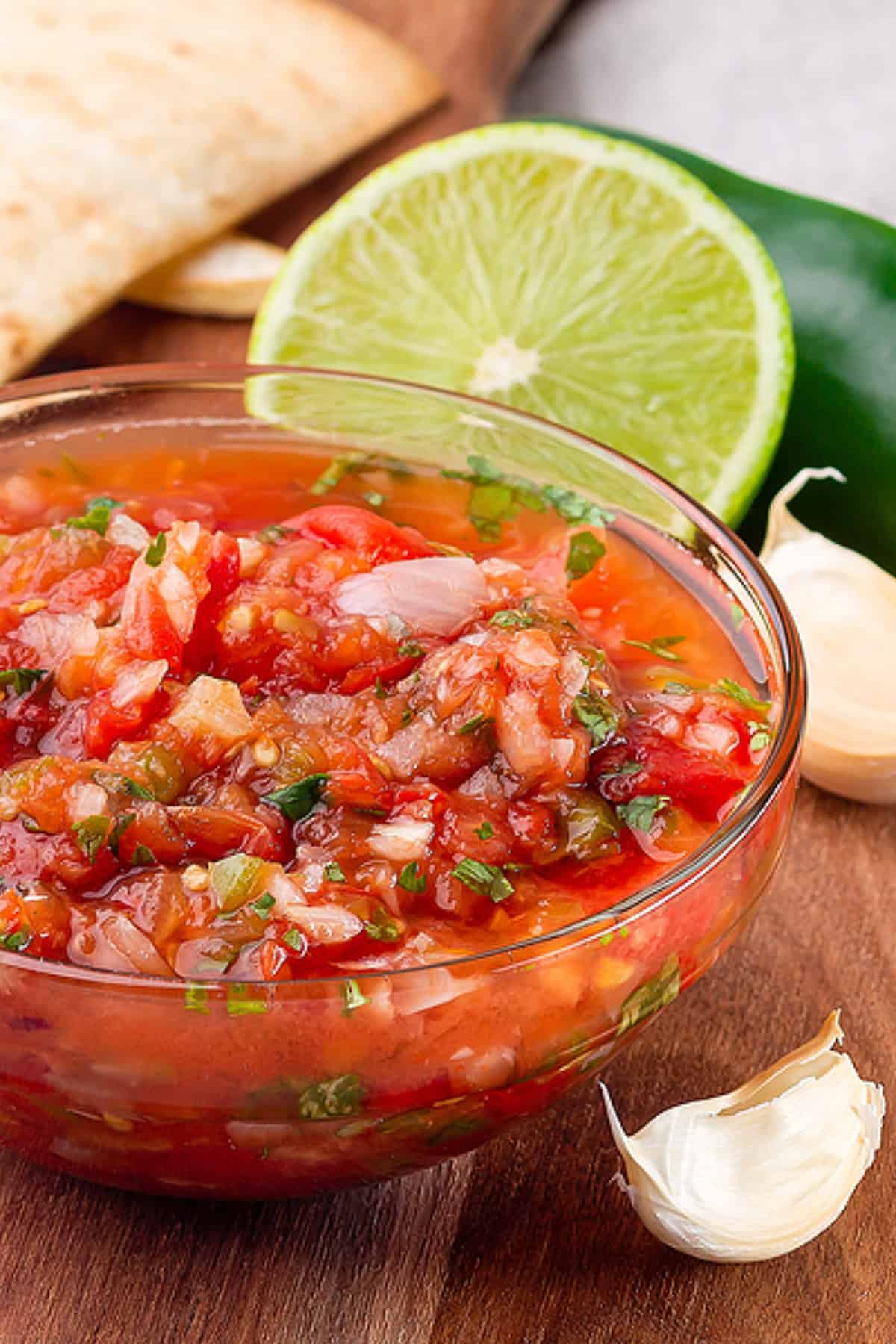
Ingredients Overview
Roma tomatoes work best because they hold their shape and don't release as much liquid. If your tomatoes are especially juicy, let them drain briefly after chopping so the mixture doesn't get so watery.
White or yellow onion adds sharpness, jalapeno brings heat, and cilantro keeps everything tasting fresh. Lime juice and salt tie it all together, so using fresh lime makes a noticeable difference in the final flavor.
Full ingredient amounts and preparation instructions are in the printable recipe card at the bottom of this post.
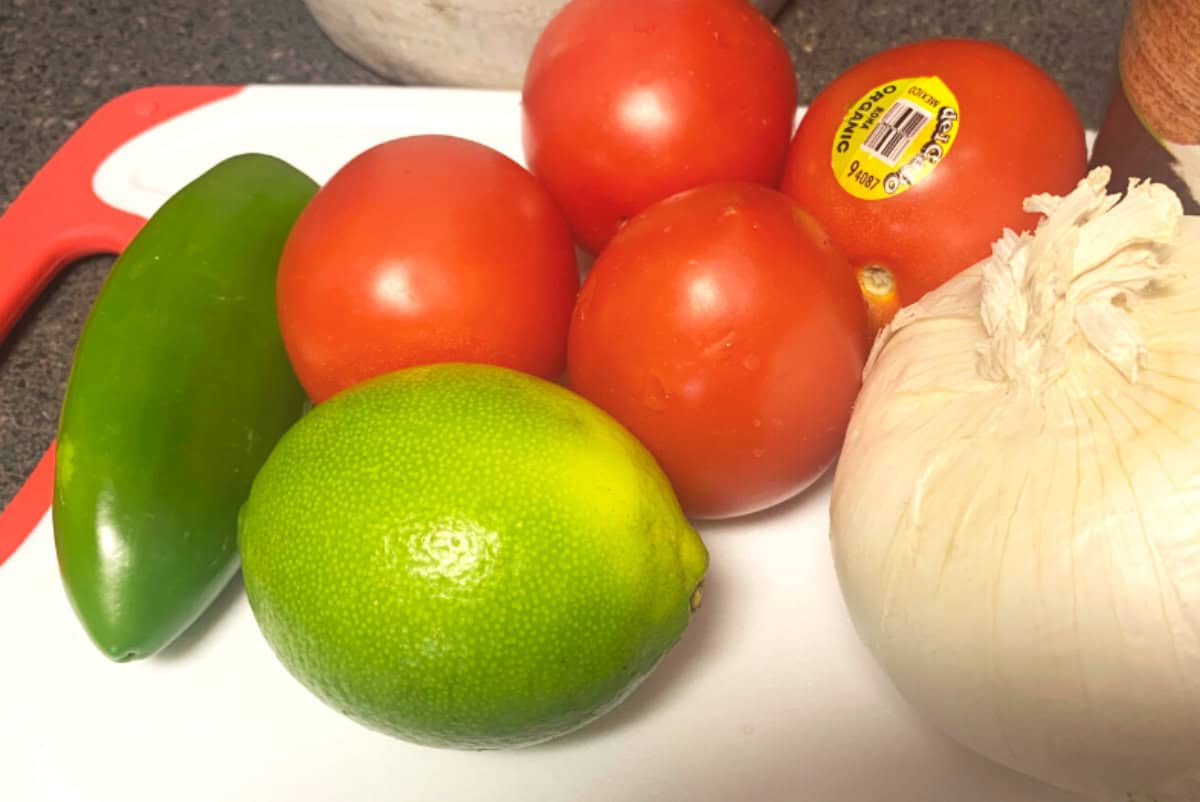
What's the Difference Between Salsa and Pico de Gallo?
Pico de gallo and salsa are both made with fresh ingredients, but they're not prepared the same way. Pico de gallo is chopped and left chunky, while many salsas are blended, cooked, roasted, or processed into a smoother sauce.
- Pico de gallo is fresh and chunky: The ingredients are chopped and mixed raw, with just enough lime juice and salt to season them.
- Salsa is often blended or saucy: Many salsas are processed into a smoother texture and may be cooked or roasted first.
- Pico is used as a topping: It holds its shape well, making it easy to spoon over tacos, fajitas, burrito bowls, and grilled meats.
- Salsa covers more styles: The salsa category includes fresh table salsas, roasted salsas, cooked sauces, and hot sauces.
How To Make Pico de Gallo
Pico de gallo is made by chopping fresh ingredients and mixing them with lime juice and salt. The key is keeping the texture even and letting it rest briefly so the flavors settle. Use the step-by-step photos below as a visual guide.
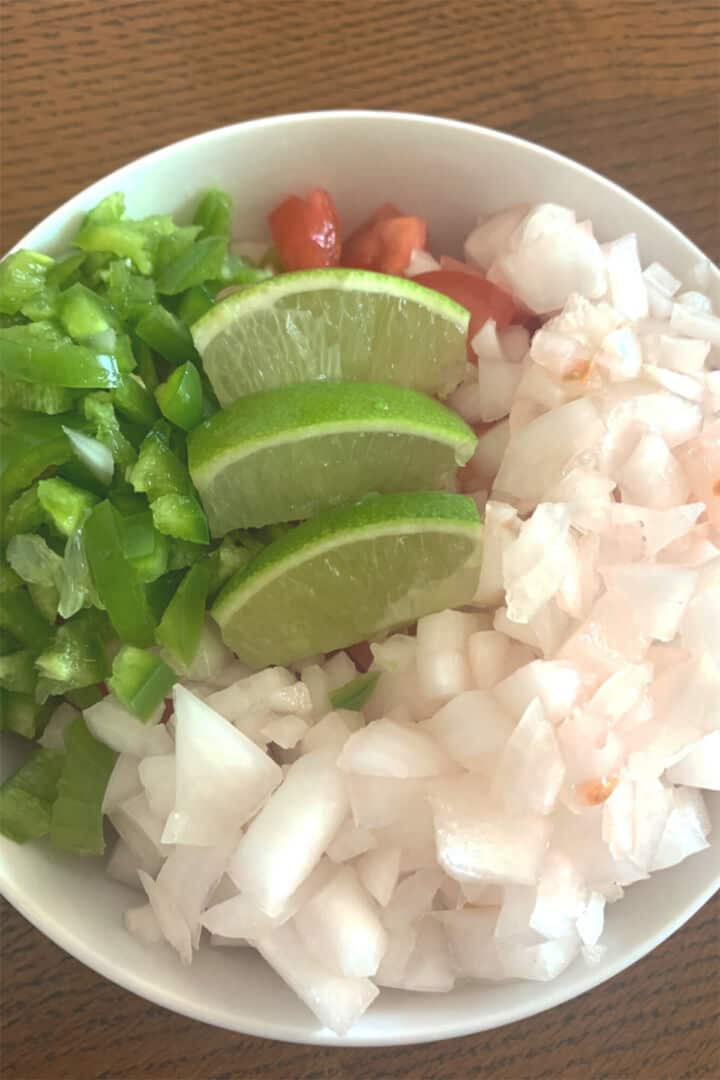
Step 1: Chop the tomatoes, onion, jalapeno, garlic, and cilantro into small, even pieces. If your tomatoes are really juicy, let them drain in a sieve or colander for a few minutes before mixing.
Step 2: Add the chopped ingredients to a mixing bowl. Stir in the lime juice and salt, then taste and adjust as needed.
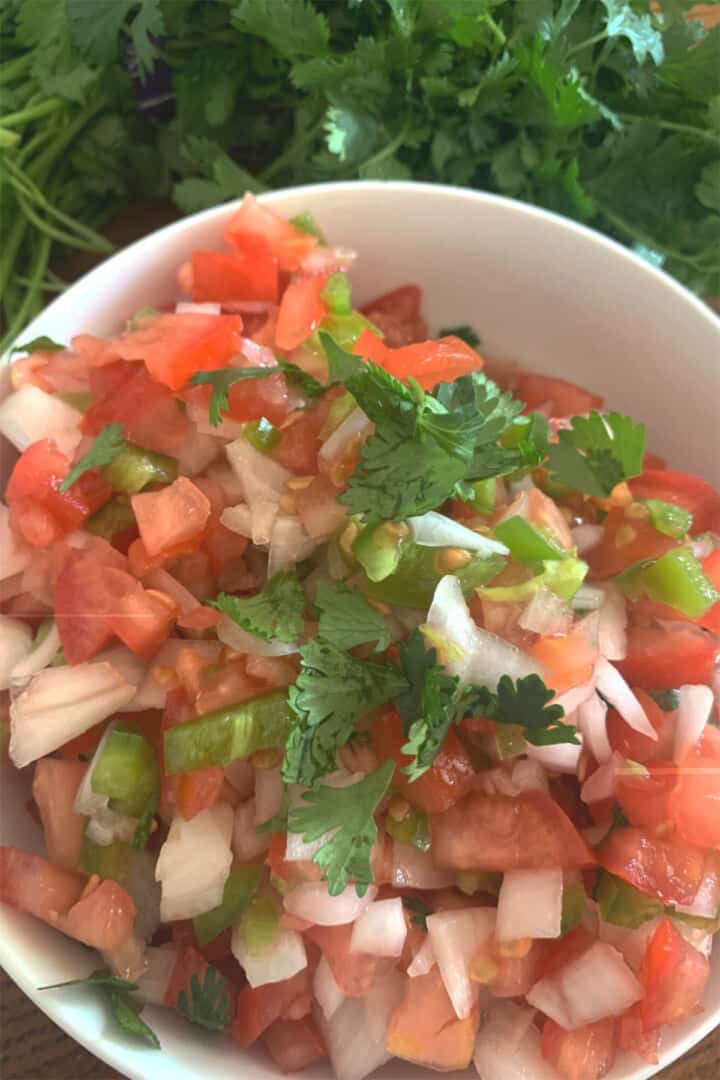
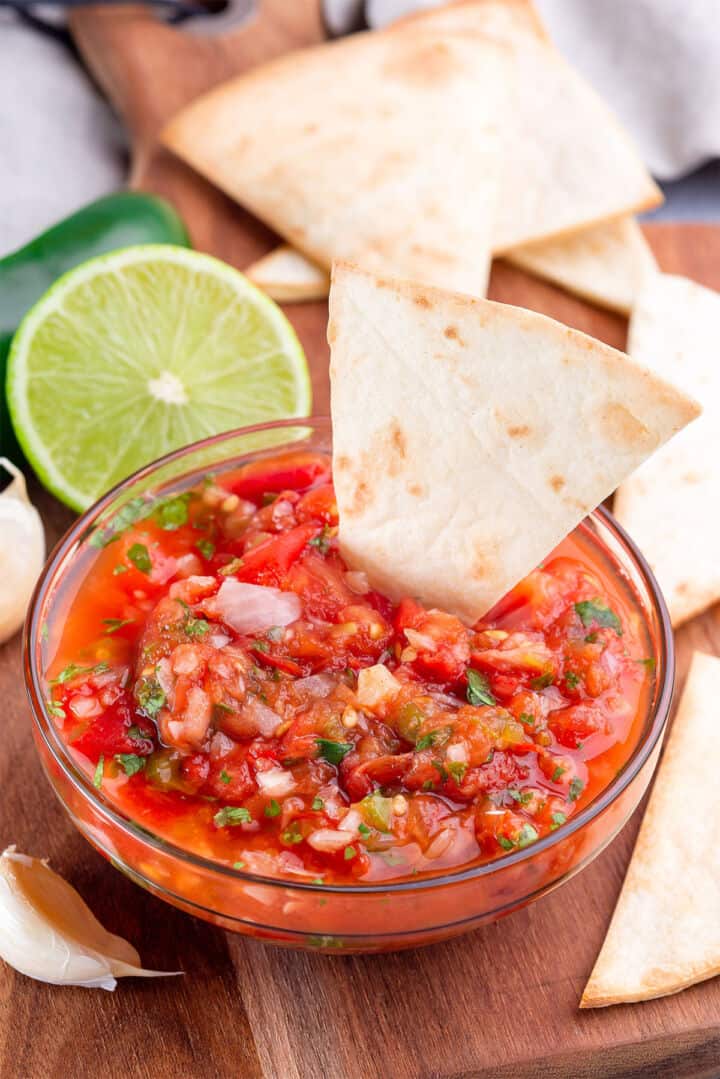
Step 3: Let the pico de gallo rest for 10 to 15 minutes so the flavors develop.
Serve with tortilla chips or spoon over your favorite dishes.
Serving Suggestions
Pico de gallo is most often used as a fresh topping, and it's especially good on hot Chili's steak fajitas where something cool and fresh helps tone things down.
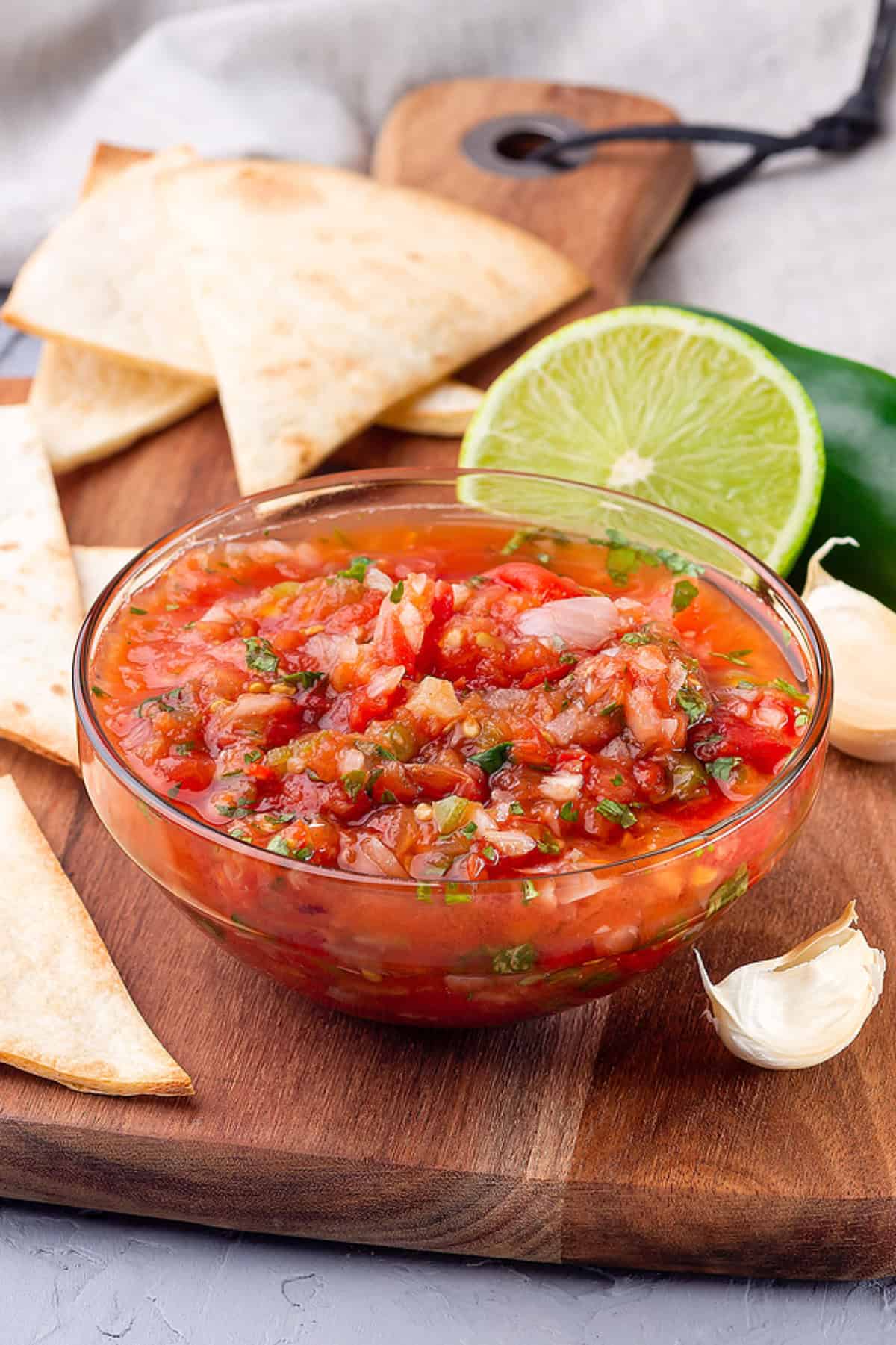
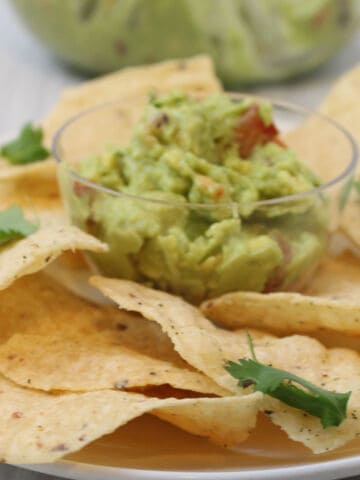
It also works well with tortilla chips and guacamole, or alongside simple sides like black refried beans and savory Mexican red rice.
Substitutions and Variations
Small swaps make it easy to adjust the flavor, heat, and texture.
- Milder heat: If you want to keep it on the mild side, remove the seeds and ribs from the jalapeno, or just use a smaller amount.
- More heat: Like it spicier? Add more jalapeno or swap in a serrano pepper for a sharper kick.
- No cilantro: If cilantro isn't your thing, simply omit it.
- Tomato options: Roma tomatoes are the easiest to work with, but vine-ripened tomatoes are fine too. If they are too juicy let them drain briefly after dicing.
- Extra lime: If it tastes a little flat right before serving, a small squeeze of lime usually brings it right back.
Tips for Success
These simple tips help keep the flavor fresh and balanced.
- Use ripe tomatoes: Go for tomatoes that smell fresh and have a little give when you press them. That's where most of the flavor comes from.
- Control moisture: If your tomatoes are really juicy, chop them and let them sit in a sieve or berry colander for a few minutes so some of the liquid can drain off. A light sprinkle of salt helps pull out that excess moisture even faster.
- Cut evenly: Try to keep the pieces about the same size so you get a good mix of everything in each spoonful.
- Season in stages: Add the salt and lime a little at a time, then taste. It's easier to build flavor than fix too much.
- Let it rest: Give it 10 to 15 minutes before serving so everything settles and tastes more blended.
Storage Options
Pico de gallo is best the day it's made, but leftovers can be stored briefly.
- Refrigerate: Store it in an airtight container in the fridge for up to 2 to 3 days.
- Stir before serving: It will release some liquid as it sits, so just give it a stir and drain a little off if needed.
- Do not freeze: Freezing changes the texture too much and it won't hold up well once thawed.
- Make ahead: If you want to prep it early, a few hours ahead works well, but try not to push it much past that.
Related Recipes
- Simple Guacamole
- Mexican Grilled Green Onions
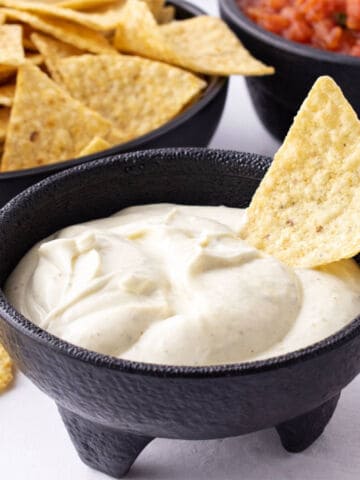
- Mexican White Sauce (Virginia Restaurant Style)
- Green Chile Egg Casserole
- Rice Cooker Cilantro Lime Rice
Frequently Asked Questions
No. Pico de gallo is a fresh, chunky mixture of chopped ingredients, while salsa is often blended, cooked, roasted, or more liquid. Pico de gallo is part of the broader salsa family, but it is prepared and served differently.
Roma tomatoes are usually best because they are firm, meaty, and less watery than many slicing tomatoes. Vine-ripened tomatoes also work if they are ripe and you allow them to drain a little after dicing.
Use firm tomatoes, drain off excess liquid, and salt the mixture lightly at first. Liquid will naturally collect as pico de gallo rests, so stir and drain a little before serving if needed.
Yes, but it is best made the same day you plan to serve it. You can make it a few hours ahead and refrigerate it so the flavors have time to blend while the tomatoes still taste fresh.
You do not need to remove the seeds or pulp. If your tomatoes are very juicy, it's better to let them drain briefly after chopping so you keep all the tomato while removing excess liquid.
Brunch Recipes

Get The Recipe!
Easy Pico de Gallo
Equipment
- Festive Salsa Bowls
Ingredients
- 6 Roma tomatoes chopped (any tomatoes will work though)
- ½ medium onion chopped
- 2 jalapenos chopped fine (more or less, depending on how spicy you like it)
- 2 cloves garlic chopped fine
- 2 limes juiced
- ¼ cup cilantro chopped (optional)
- salt to taste
Instructions
- Chop the tomatoes, onion, jalapeno, garlic, and cilantro into small, even pieces. If your tomatoes are very juicy, let them drain in a sieve or colander for a few minutes before mixing.6 Roma tomatoes, ½ medium onion, 2 jalapenos, 2 cloves garlic, ¼ cup cilantro
- Add the chopped ingredients to a mixing bowl. Stir in the lime juice and salt, then taste and adjust as needed.2 limes, salt
- Let the pico de gallo rest for 10 to 15 minutes so the flavors develop. Serve with tortilla chips and guacamole, or as a condiment for tacos, burritos, and other Mexican food.
Notes
- Use ripe tomatoes: Go for tomatoes that smell fresh and have a little give when you press them. That's where most of the flavor comes from.
- Control moisture: If your tomatoes are really juicy, chop them and let them sit in a sieve or berry colander for a few minutes so some of the liquid can drain off. A light sprinkle of salt helps pull out that excess moisture even faster
- Let it rest: Allow the finished salsa to sit in the refrigerator for at least 15-30 minutes to let the salt draw out the juices and allow the flavors to meld together.
- Adjust heat carefully: Add the jalapenos gradually, and remember that most of the heat lives in the seeds and white ribs, which you can remove for a milder flavor.
Nutrition
Pin It For Later ⤵
Leave a Reply